
Hammer Drill Guide : Installing Peg Pole Pool Fencing
Whether you’re a seasoned professional in installation, just starting out in the industry, or diving into a DIY project, drilling the correct angled holes for a pool fence is crucial for both functionality and aesthetics. The Hammer Drill Guide presents the most cost-effective method for installing a removable pool fence. Let’s explore the steps for utilizing the Hammer Drill Guide effectively.
Please note: This video & photos on this article include a vertical sleeve component that was part of a prototype and is not included with the final product.
What this guide is for. The All-Safe Hammer Drill Guide is for Peg pole fencing — the ½” stainless peg on the bottom of each pole that drops into a ⅝” hole in the deck. It holds a standard SDS hammer drill at the right angle for every hole. If you have 1″ poles, you need a core drill instead — see the 1″ Pool Fence Core Drill Guide. Not sure which you have? Peg Pole vs 1″ Pole: What’s the Difference.
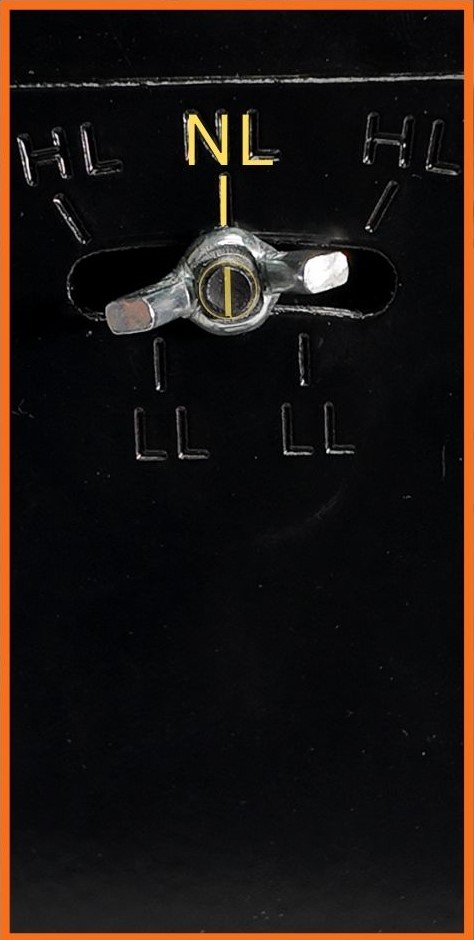
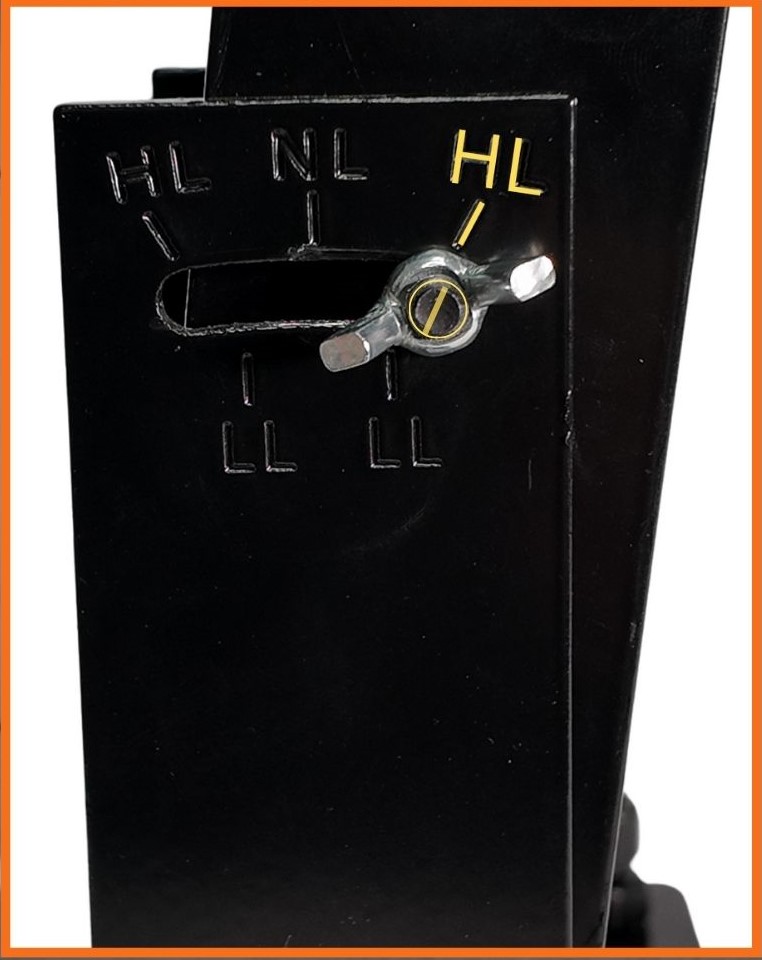
The three settings at a glance
| Setting | Lean | Use it for |
|---|---|---|
| NL — No Lean | 0° (plumb) | Every pole on a straight run; U-Safe® gate posts |
| LL — Light Lean | 3° | Poles on a curve (lean away from the pool, or toward it if the curve bends in); gate trusses and gate posts, guide turned sideways so they lean slightly toward each other |
| HL — Heavy Lean | 5° | Double-pole corners and the Corner Post |
Before you drill: plan the fence with the Pool Fence Layout Guide, then follow the Pool Fence Installation Quick Guide — this article covers the drilling step. Installing in grass or dirt, pavers or on a wood deck? Those surfaces have their own guides.
Tools Needed
- Drill Guide (recommended)
- Pliers
- Hammer Drill (SDS chuck)
- Box Cutter
- 5/8″ x 18″ SDS Hammer Drill Bit
- 5/8″ Rebar cutting Bit (if needed)
- Marker (Pencil or Grease Pencil)
- ¼” Masonry Drill Bit
- Chalk Line
- Cordless Drill with a #2 Phillips bit (Classic, Combo E or Combo H fence) or #2 square drive bit (Ultra fence)
- Garden Hose or Rope
- 1/8” Drill Bit
- 5/32” Drill Bit
- Bullet Level
- Tape Measure
- Zip Ties
Installing 1″ poles instead of Peg? This guide and the SDS bit are for Peg poles only. 1″ poles need a core drill and the core bit that matches your fence: 1-1/4″ for Ultra, 1-1/8″ for Classic, Combo E or Combo H. The right core drill and bit are harder to find than a hammer drill, which is why we suggest DIYers consider Peg poles first. See the 1″ Pool Fence Core Drill Guide.
Installing in pavers? Don’t use a hammer drill in a paver deck, even with Peg poles — it cracks the pavers. Use a wet core drill: a ⅞” core bit with ½” schedule 80 grey PVC for Peg poles, or a 1⅜” core bit with 1″ schedule 40 PVC for 1″ poles. The full method is in How to Install a Pool Fence in Pavers.
No Lean Setting
Starting with the guide’s first setting, we aim for drilling straight, or plumb, holes, referred to as NL (No Lean). This is essential when your fence is designed to follow a straight path, ensuring all holes are plumb, except for those designated for the gate, which we will discuss in more detail shortly.
Installing
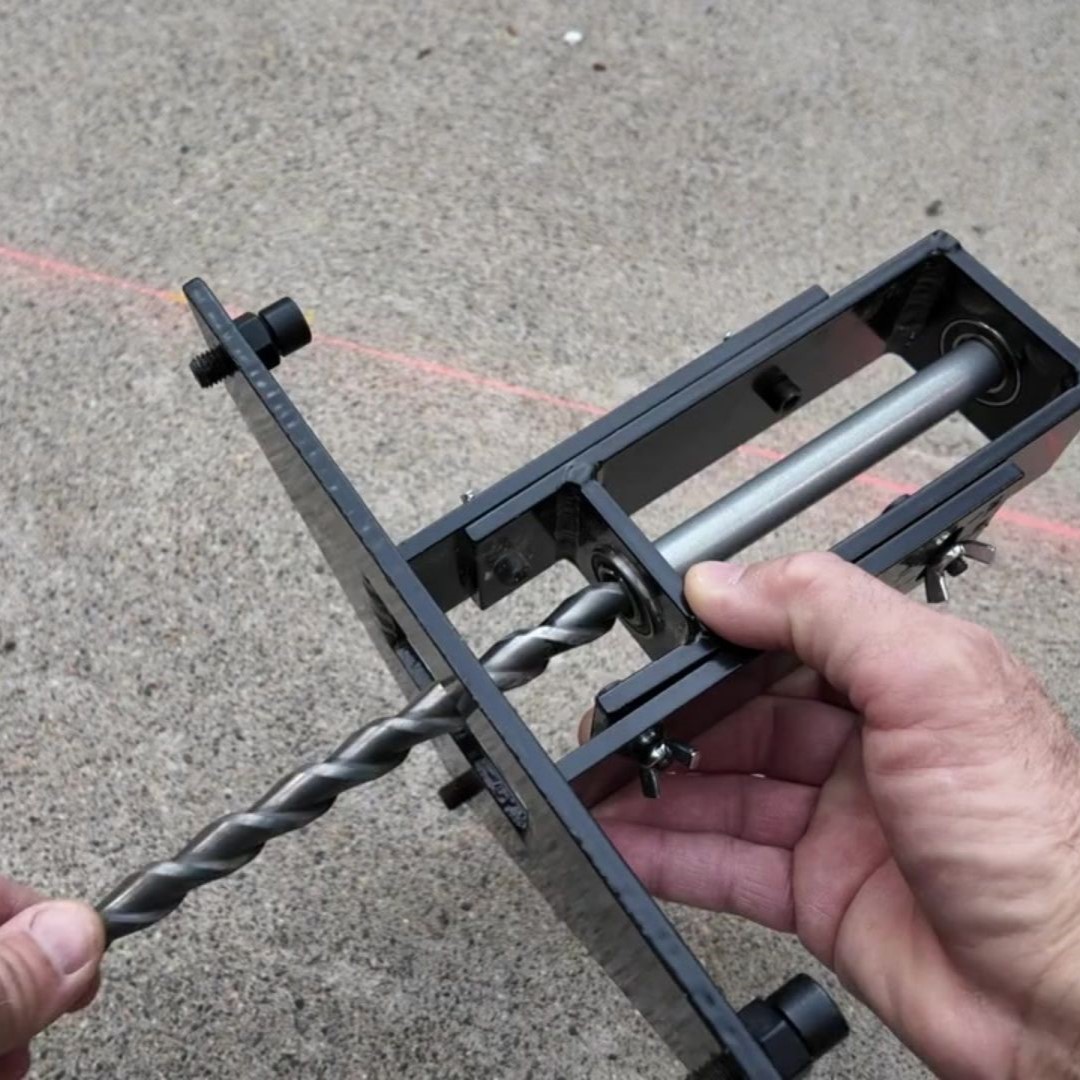
Begin by inserting the ⅝ inch hammer drill bit through the bottom of the drill guide.
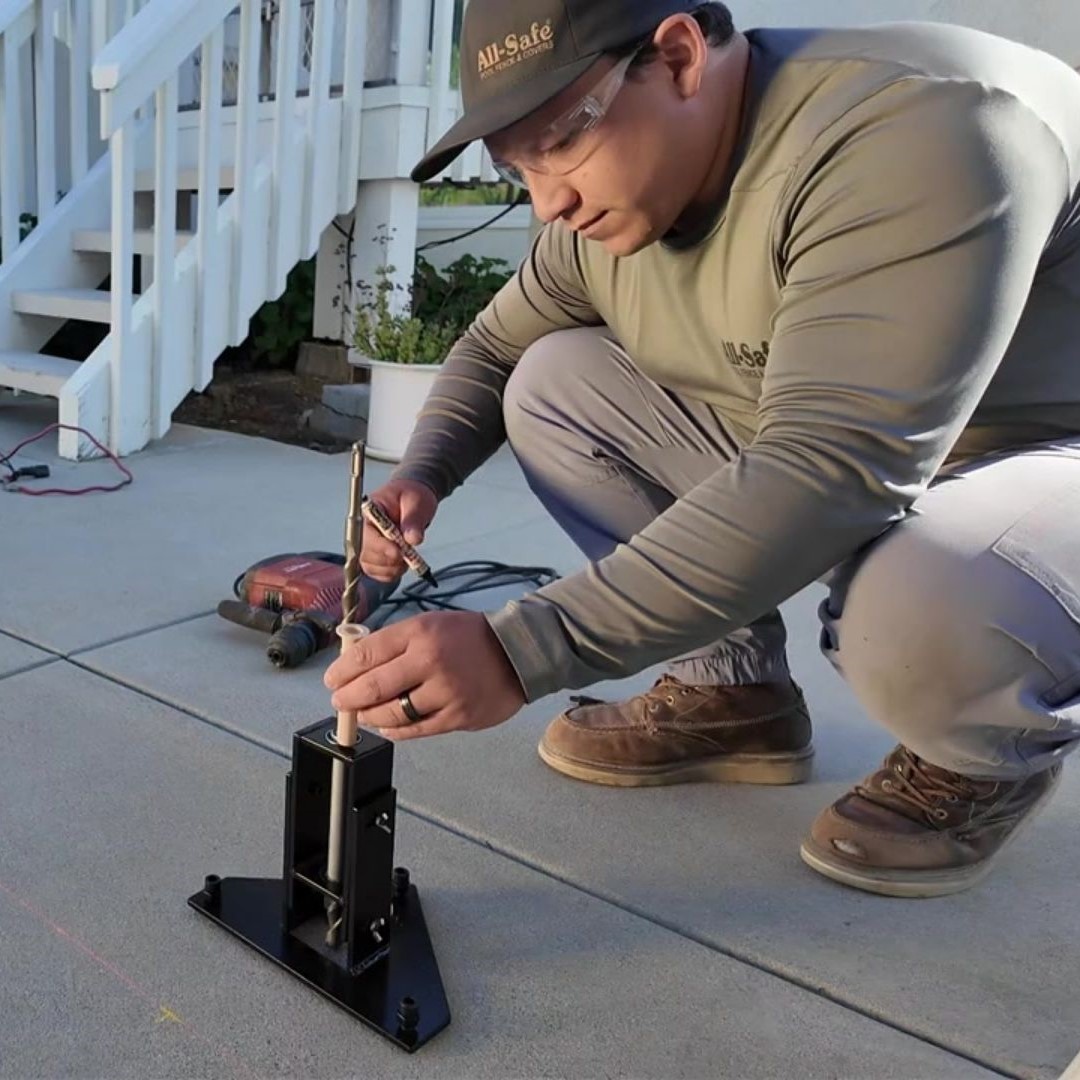
Next, using a deck sleeve and a sharpie, mark the drill bit at approximately 4 ½ inches. Most slabs are about 4 inches thick, so the mark is only a reference: when you hit dirt, stop and pull the drill out.
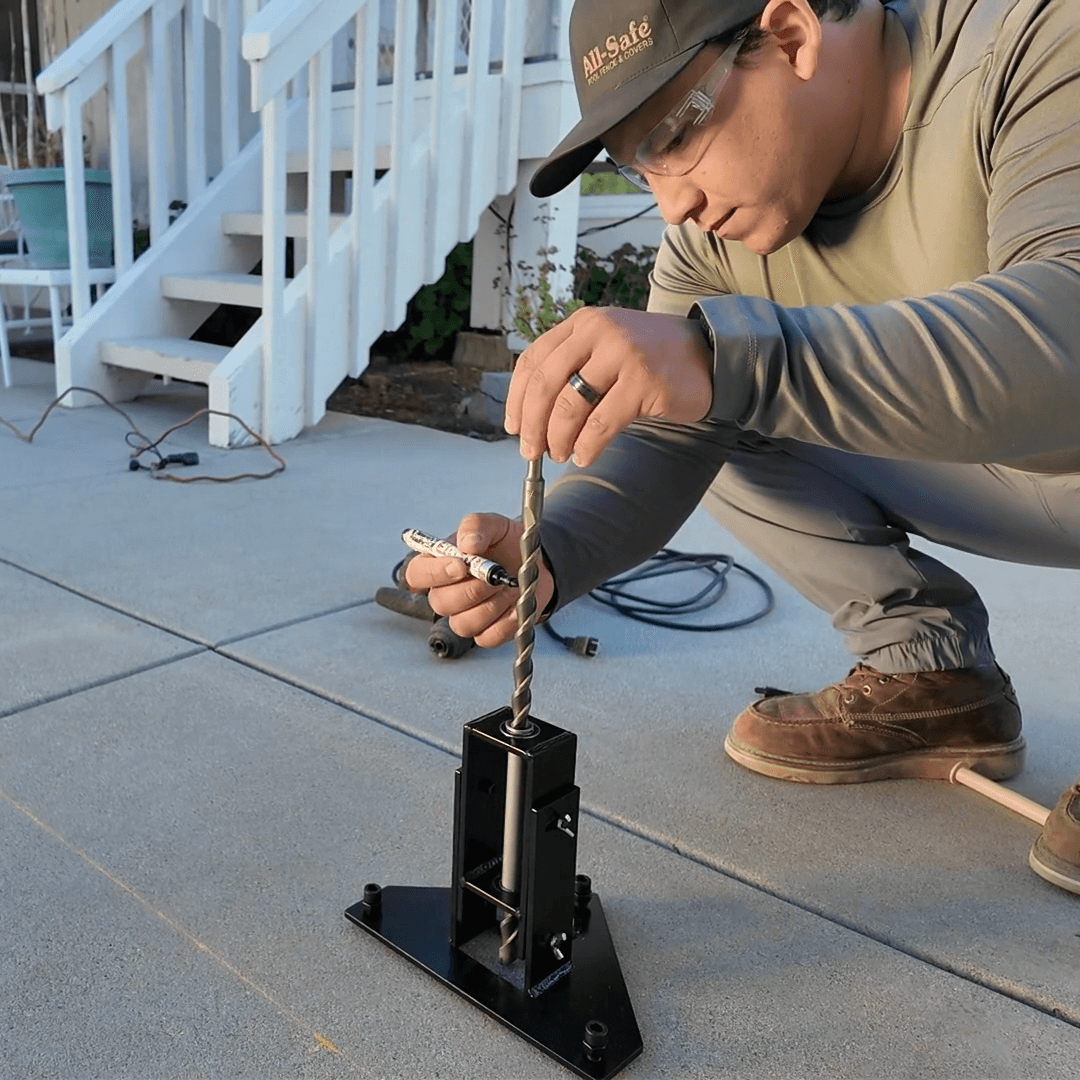
Before attaching the drill, place the guide over your mark. Use the three Allen bolts to adjust the guide, ensuring the bubble is centered for level drilling. This step should be repeated for each hole to ensure consistency.
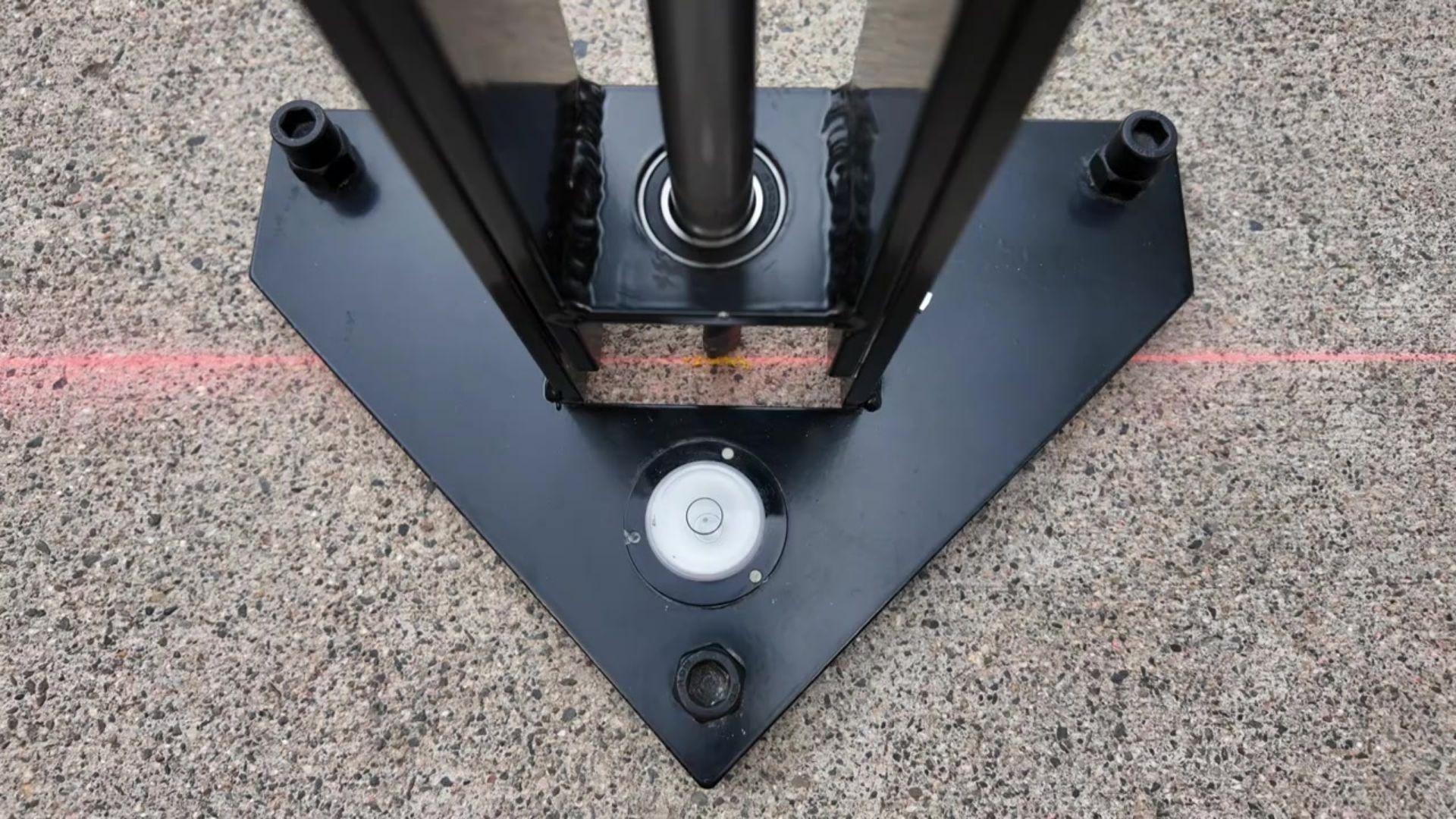
After attaching the drill, align the tip of the drill bit with your mark, ensuring the side of the bit is along the chalk line. To stabilize the guide during drilling, position both feet on it. Begin drilling at a slow pace, then gradually increase speed.
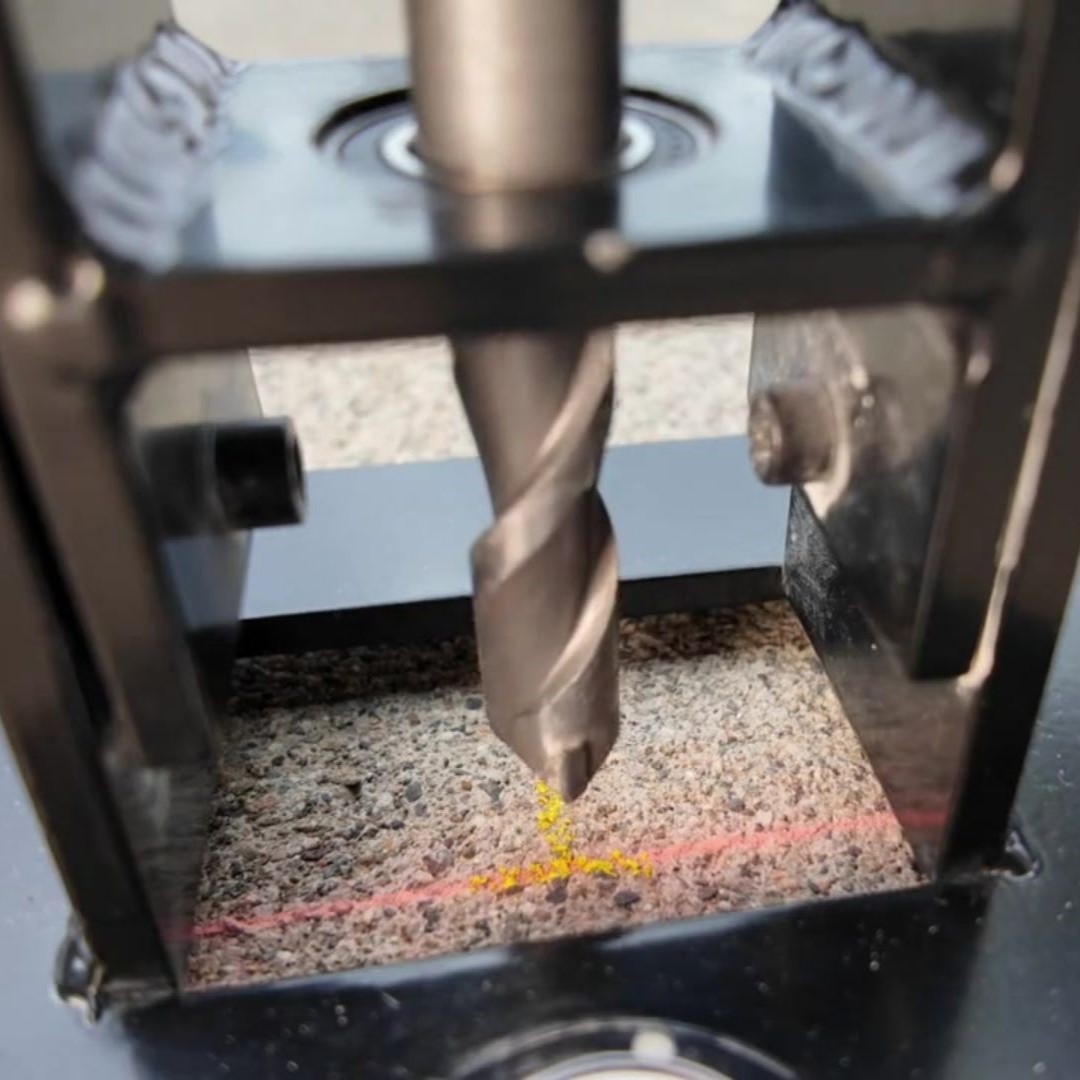
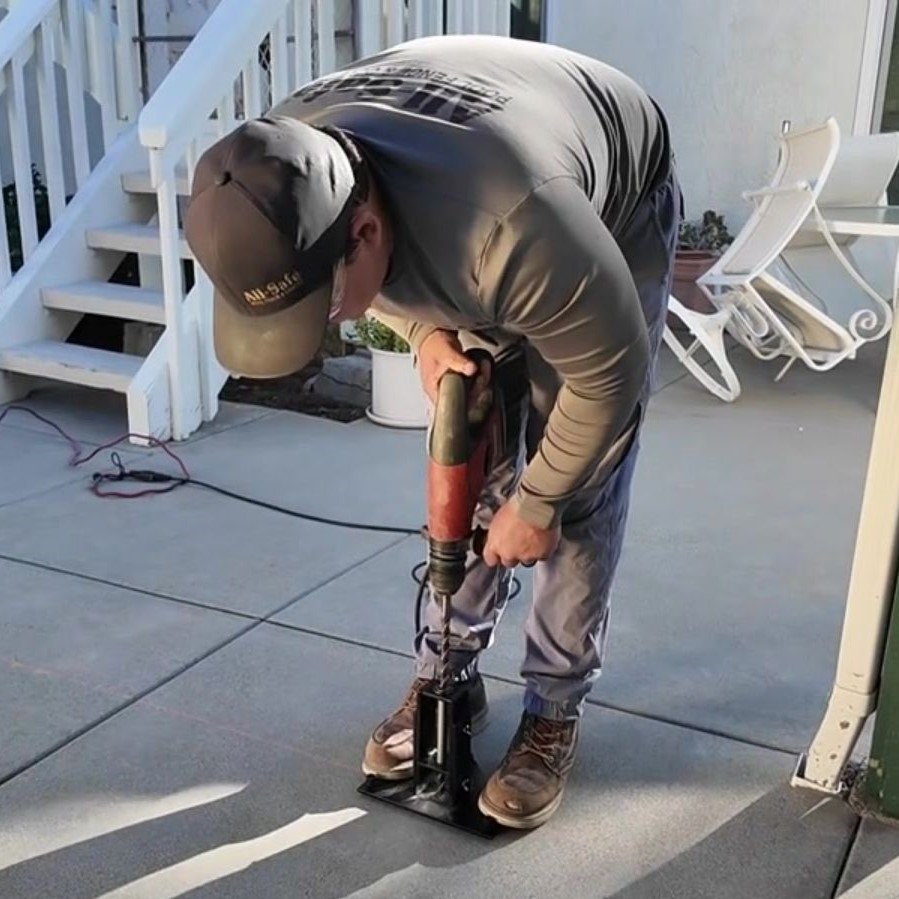
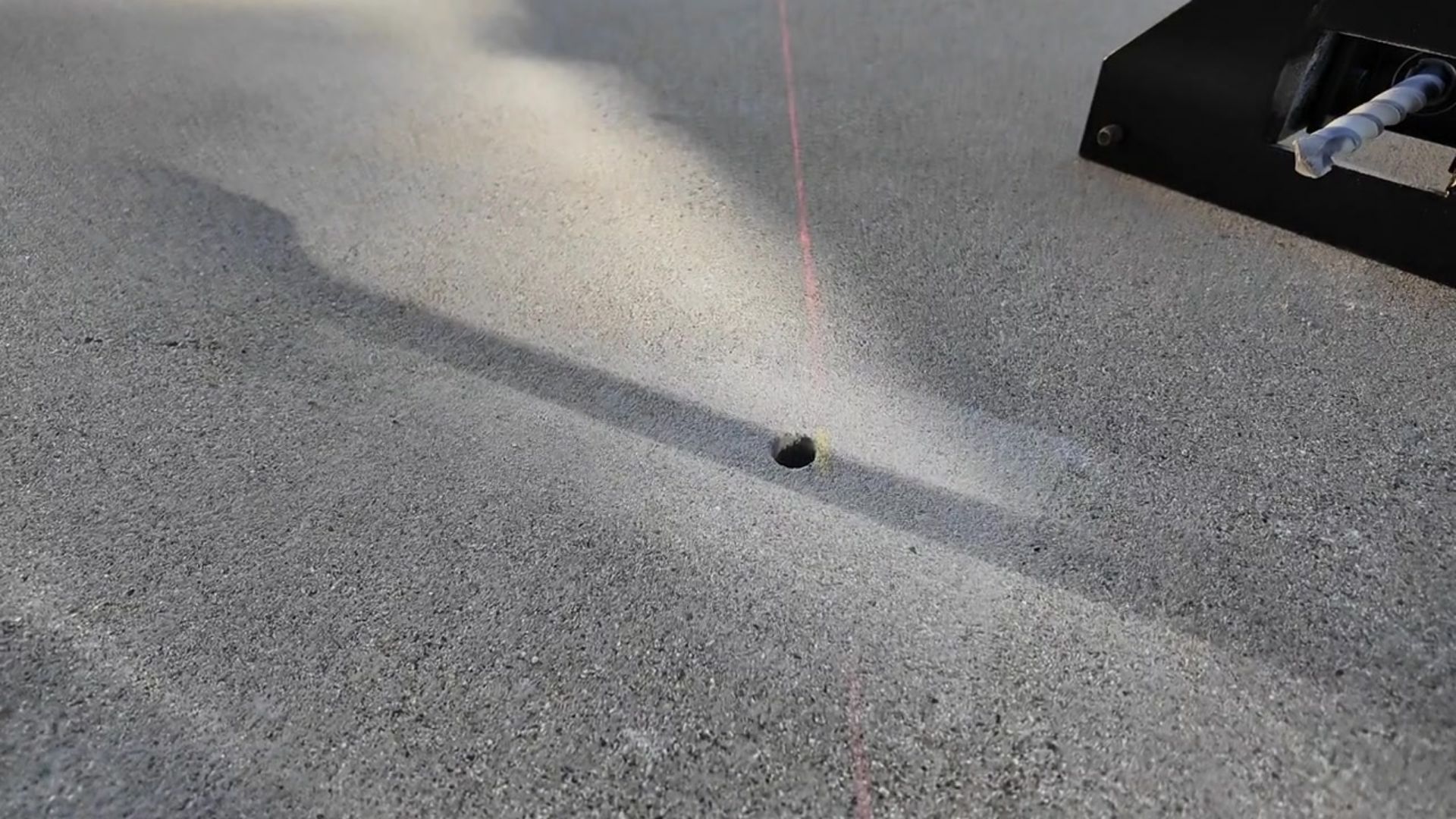
Once you break through to the other side, stop drilling, remove the drill and guide, and promptly clean up any resulting dust to prevent it from entering the holes.
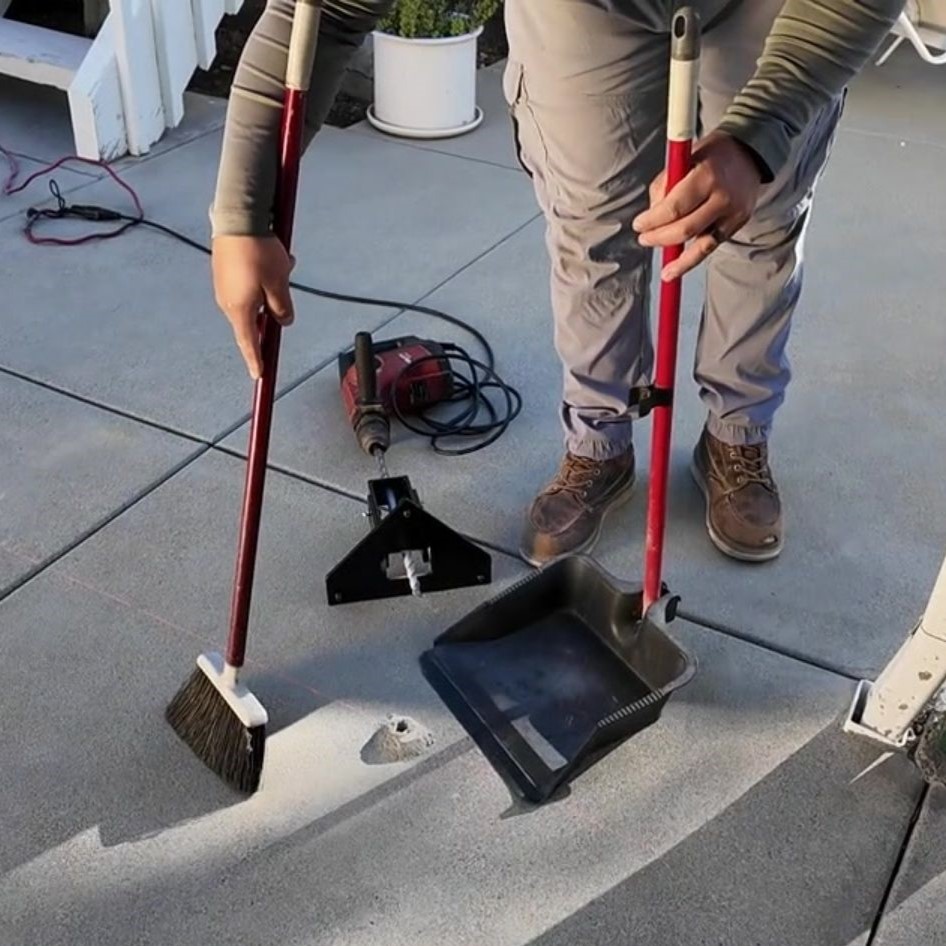
This is a properly drilled hole, perfectly aligned with your chalk line.
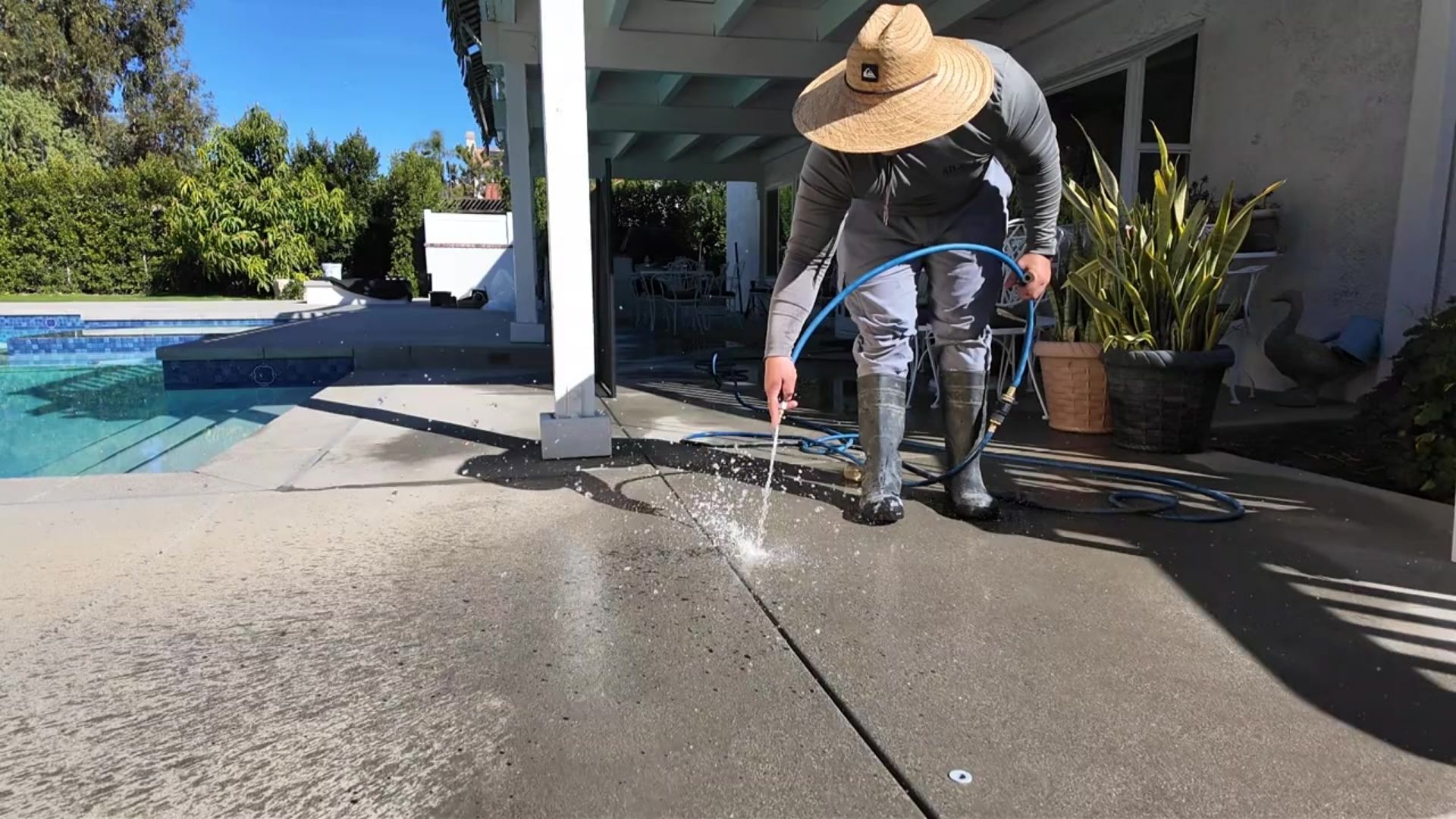
Rinse each hole with water
Insert the deck sleeve.
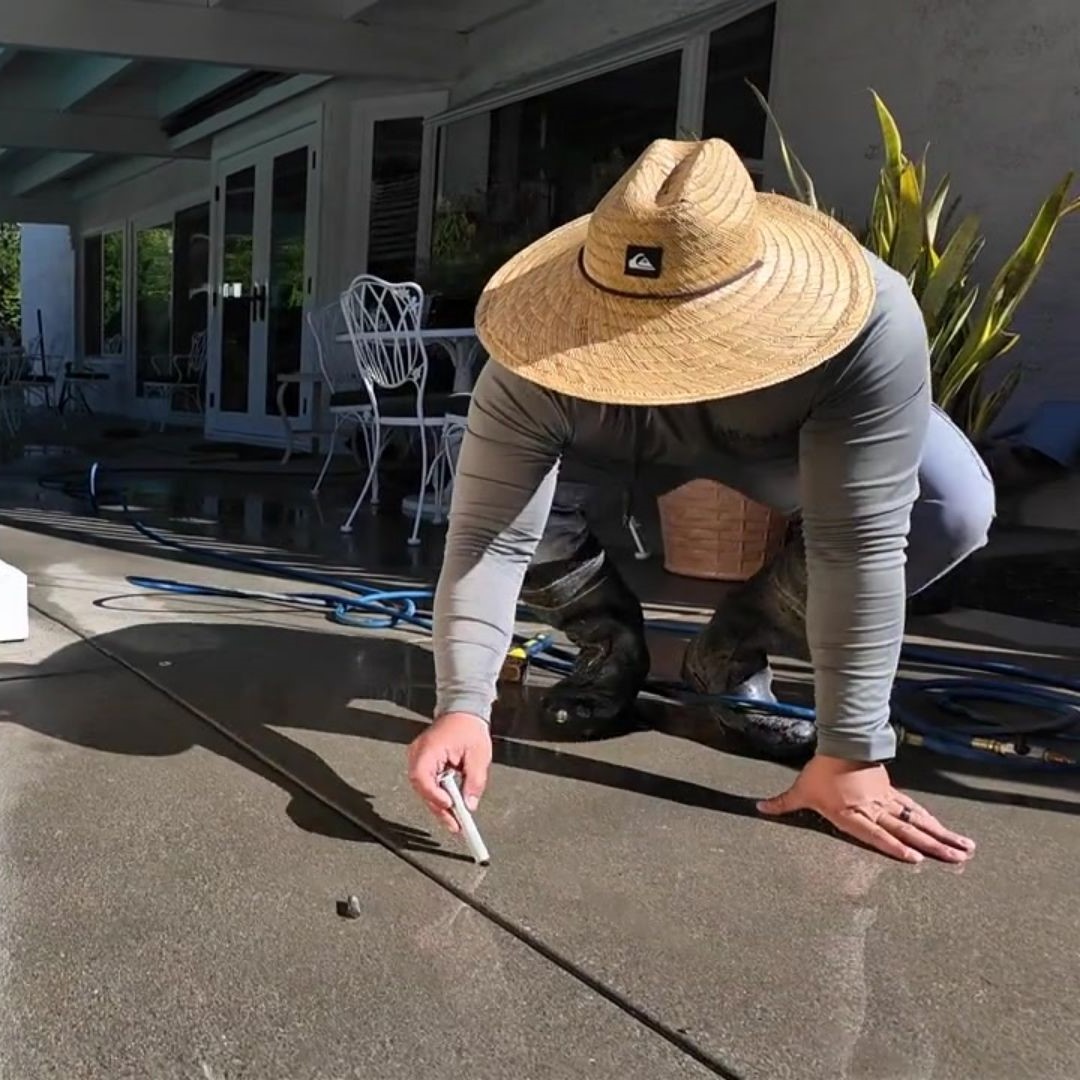
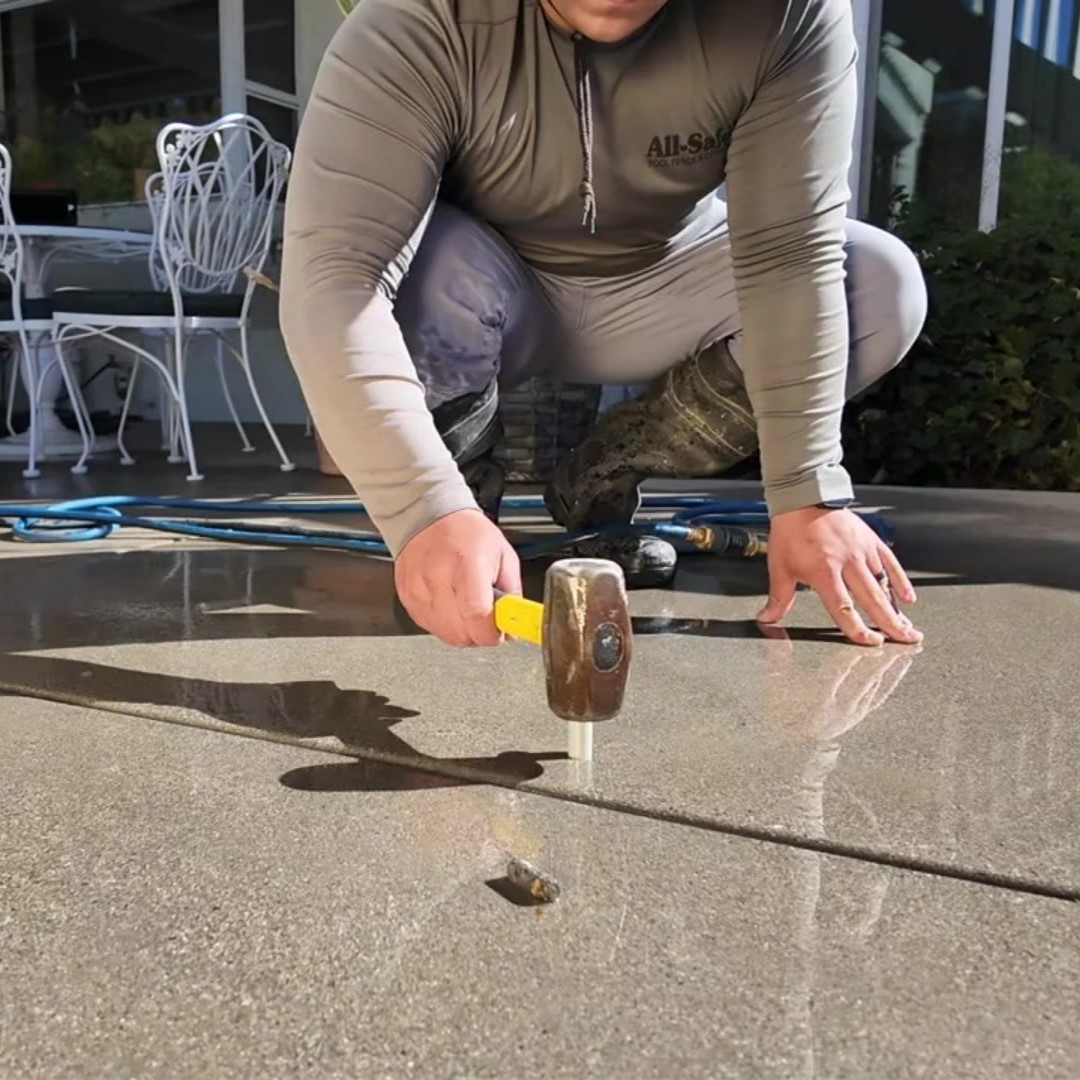
After all holes are drilled and sleeves inserted, you’re ready to install the fence and gate.
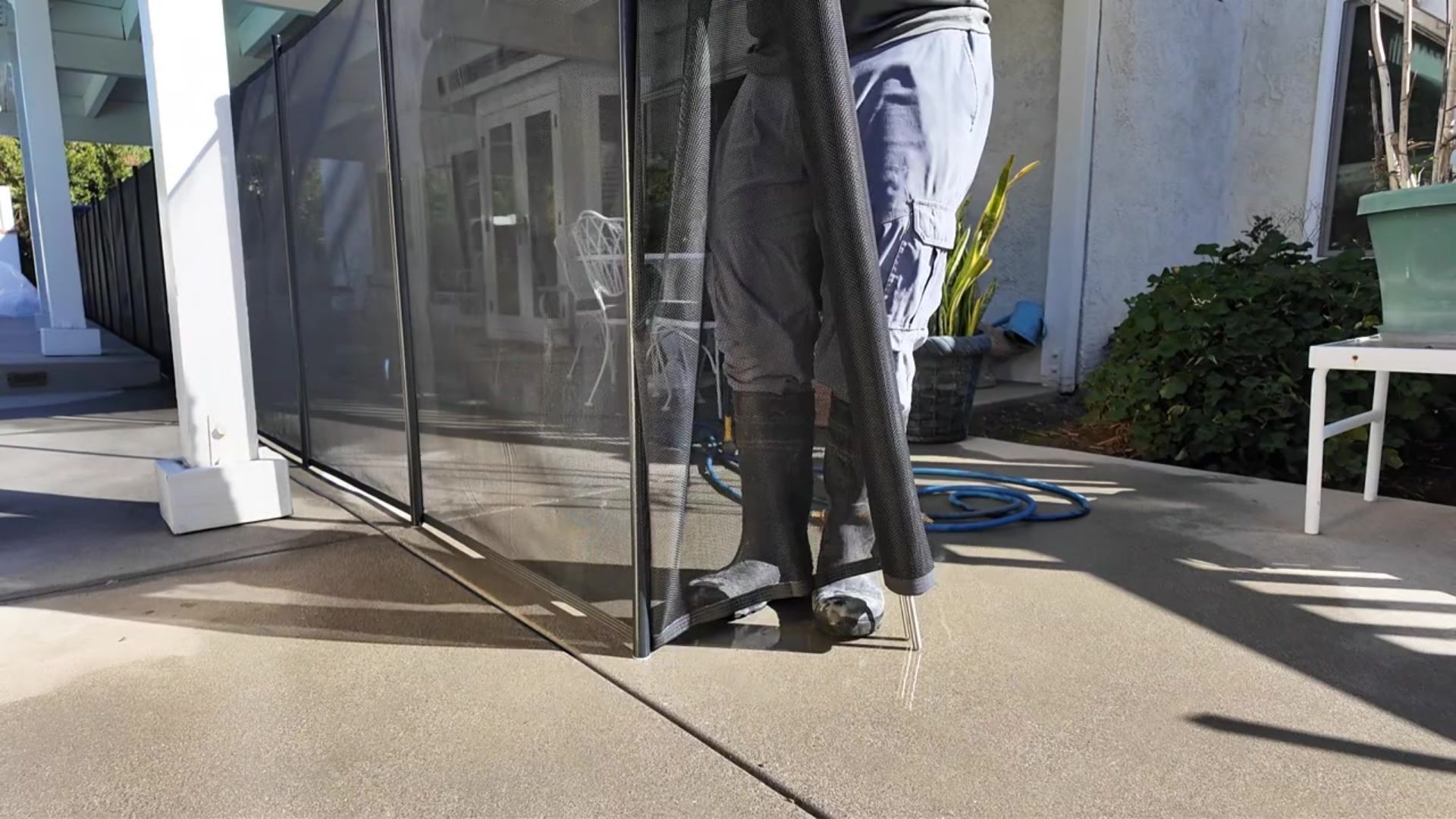
Light Lean Setting
For installations requiring curves, the LL (Light Lean) setting allows for a slight, 3-degree inward or outward lean, depending on the direction of the curve. Straight sections will use the NL setting for no lean.
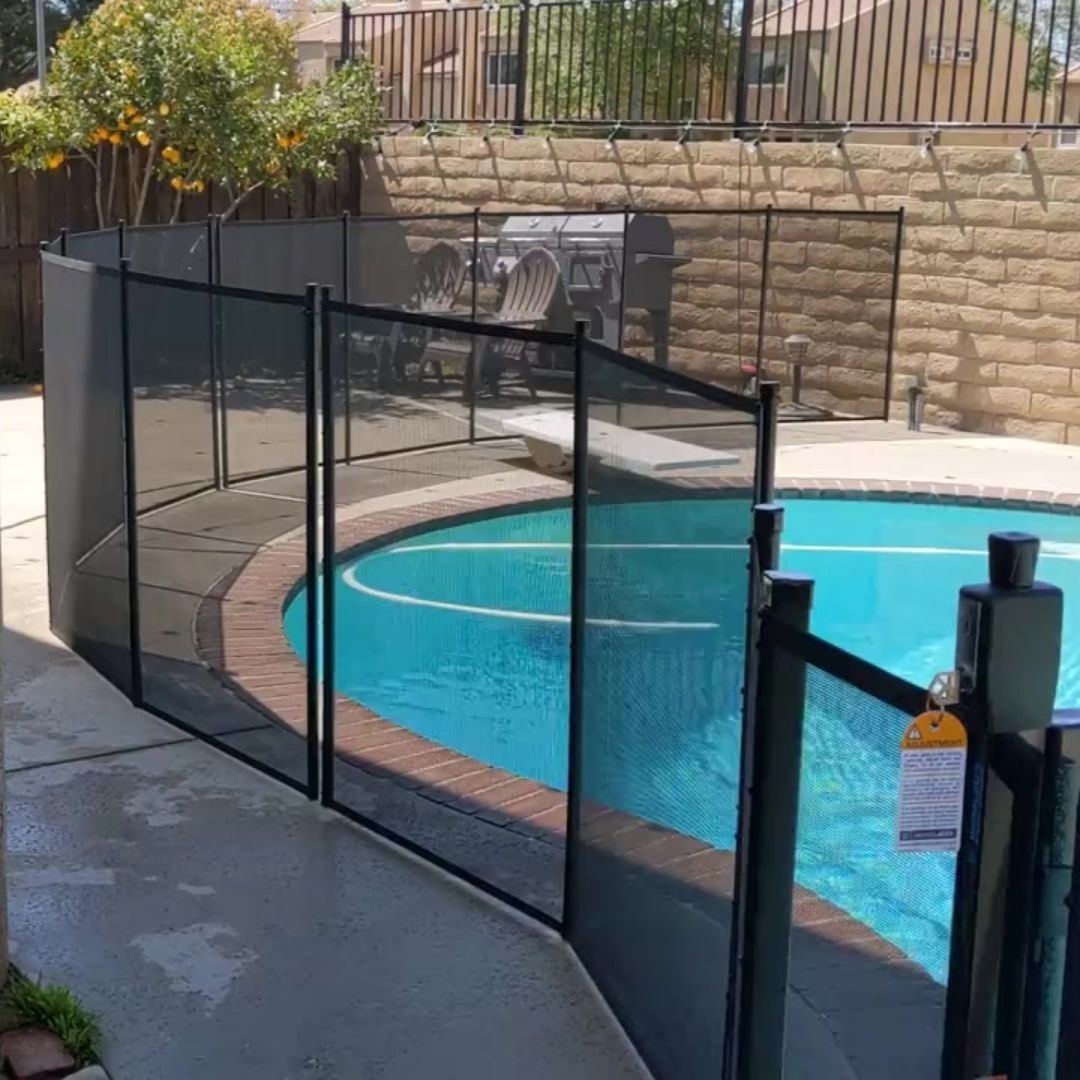
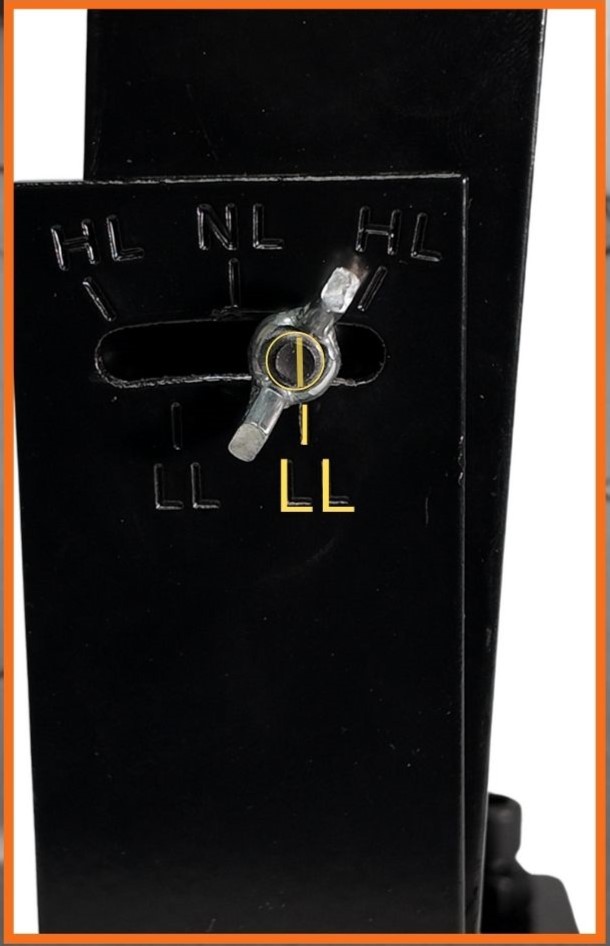
Setting Examples
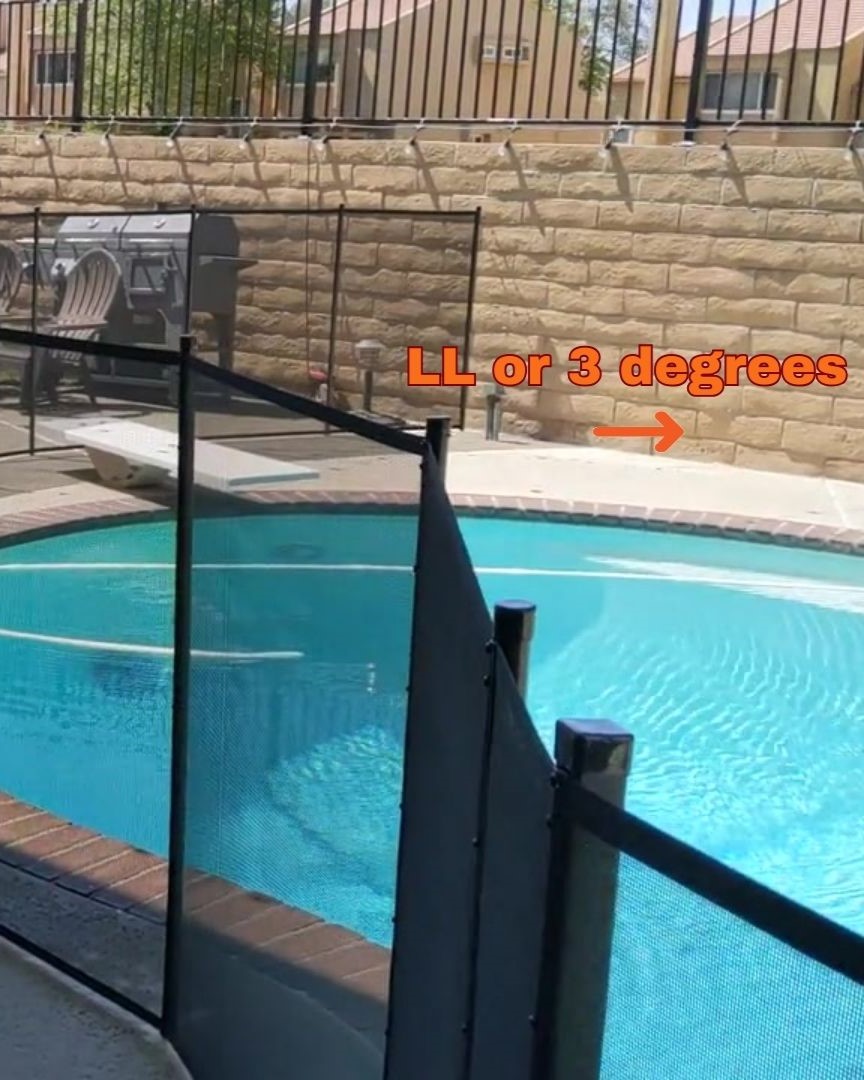
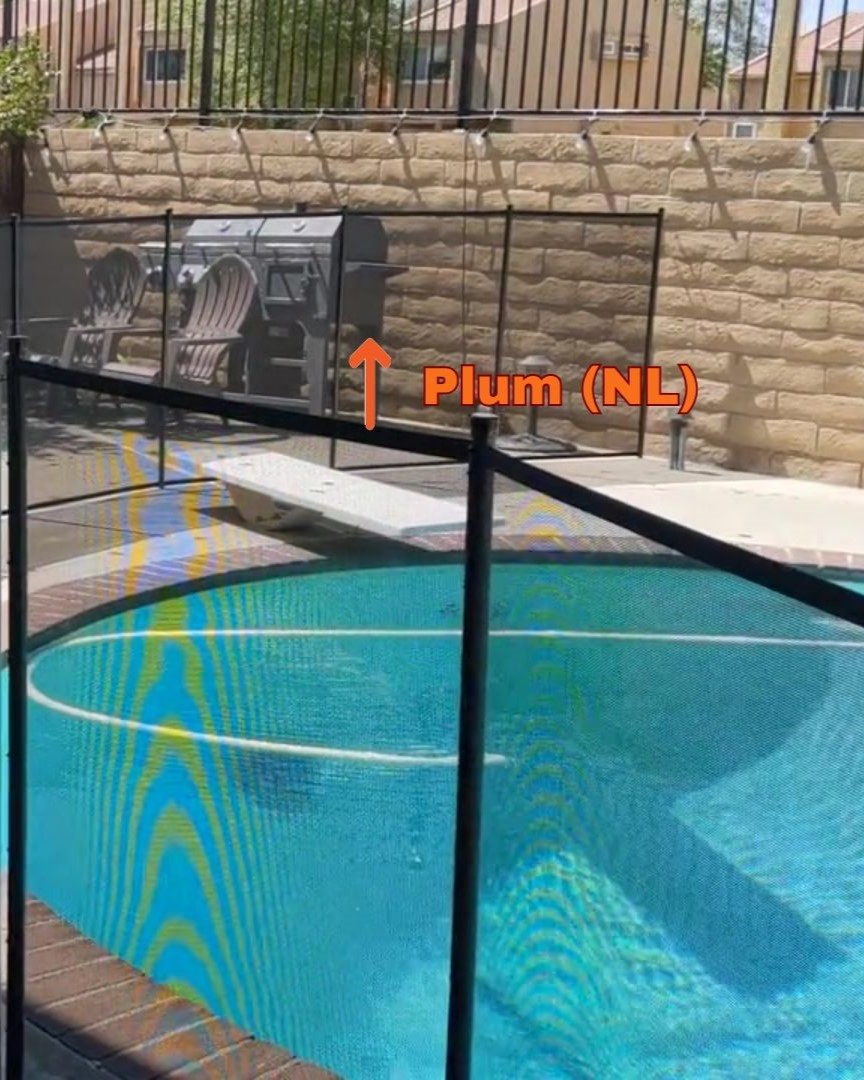
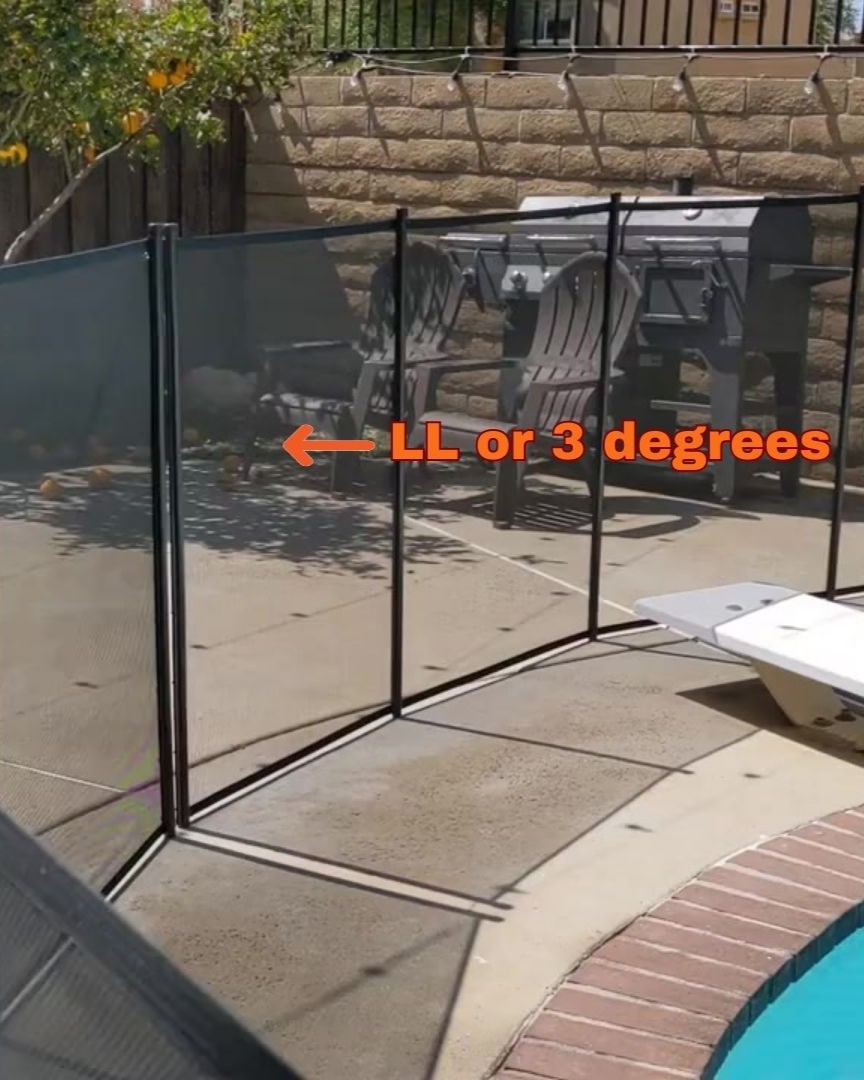
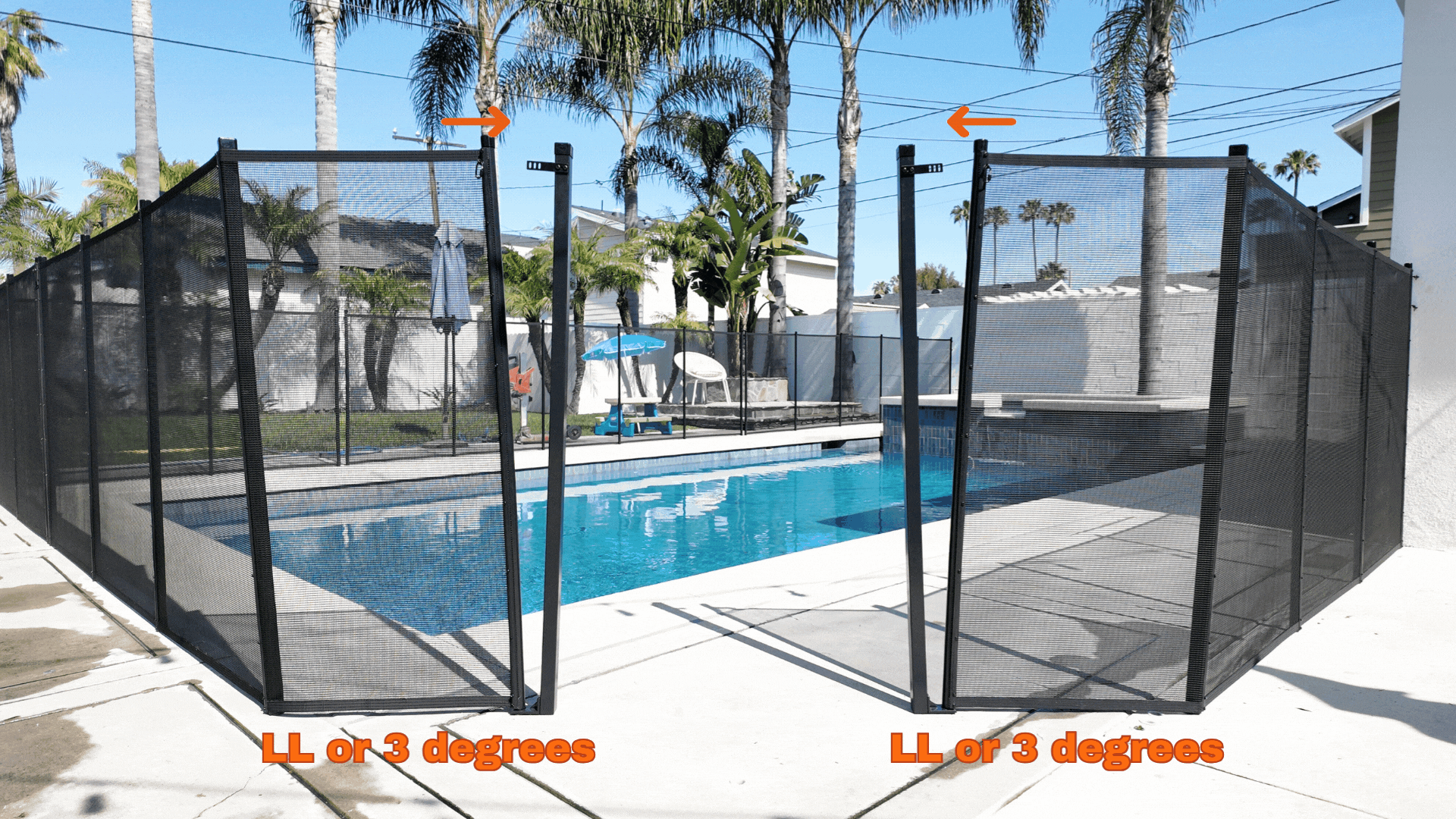
When installing a Rectangular post or a Double Pole truss for your gate, apply the LL setting for a slight 3-degree lean.
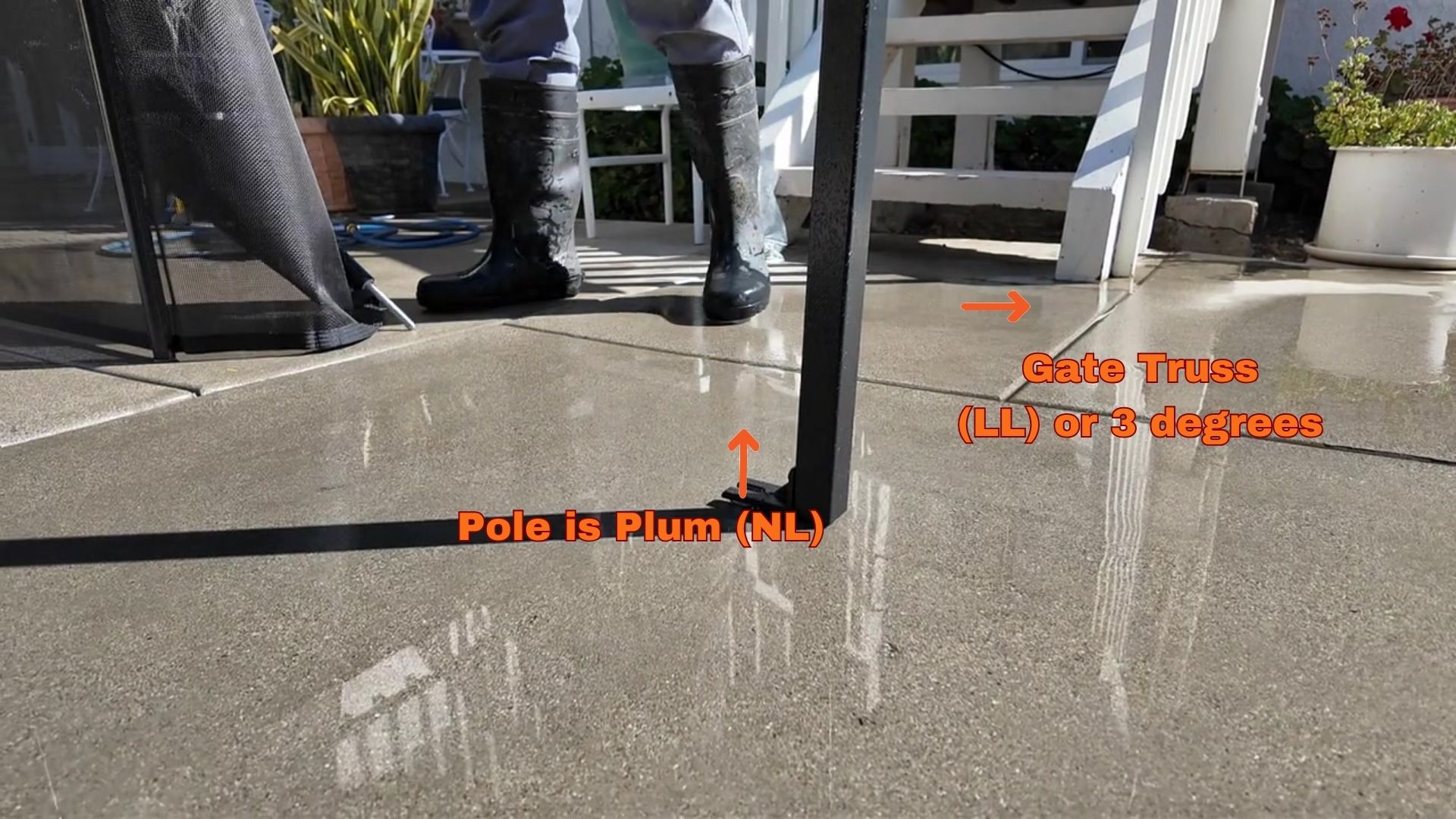
Position the guide sideways, drilling holes so the gate trusses lean slightly towards each other
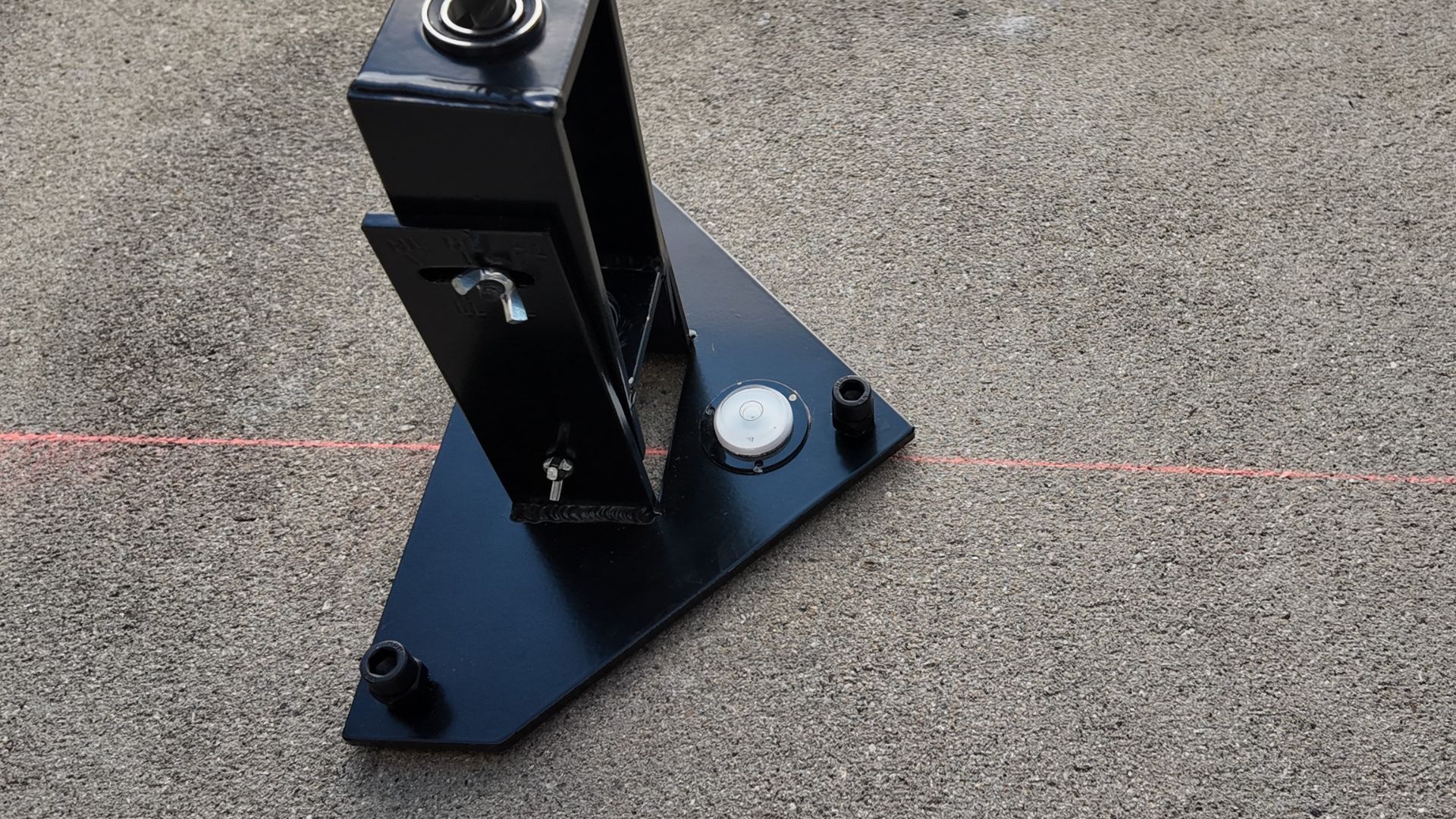
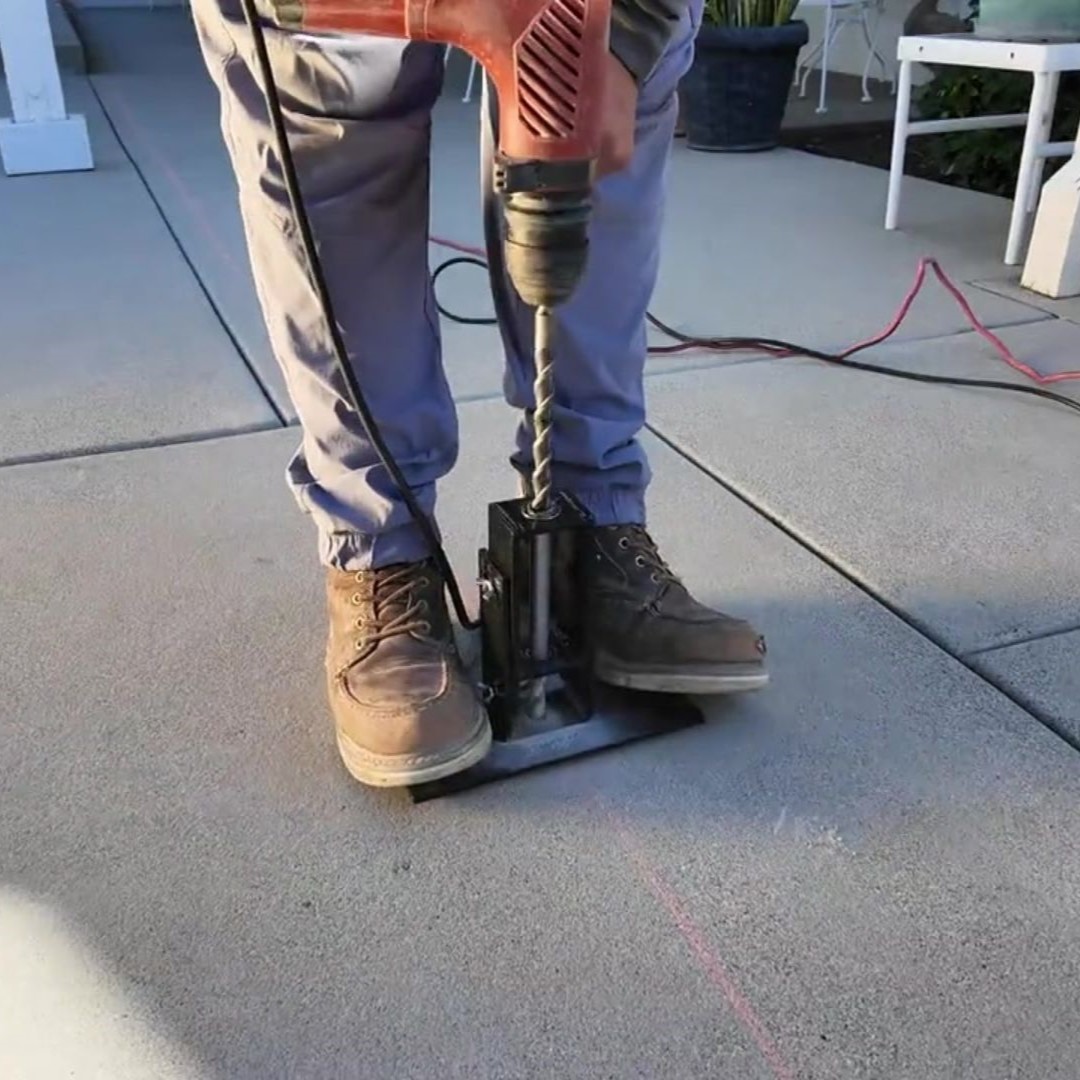
This is an example of how it will look before you attach the trusses to the fence
The simplest gate option is the U-Safe® gate, requiring plumb (No Lean) holes.
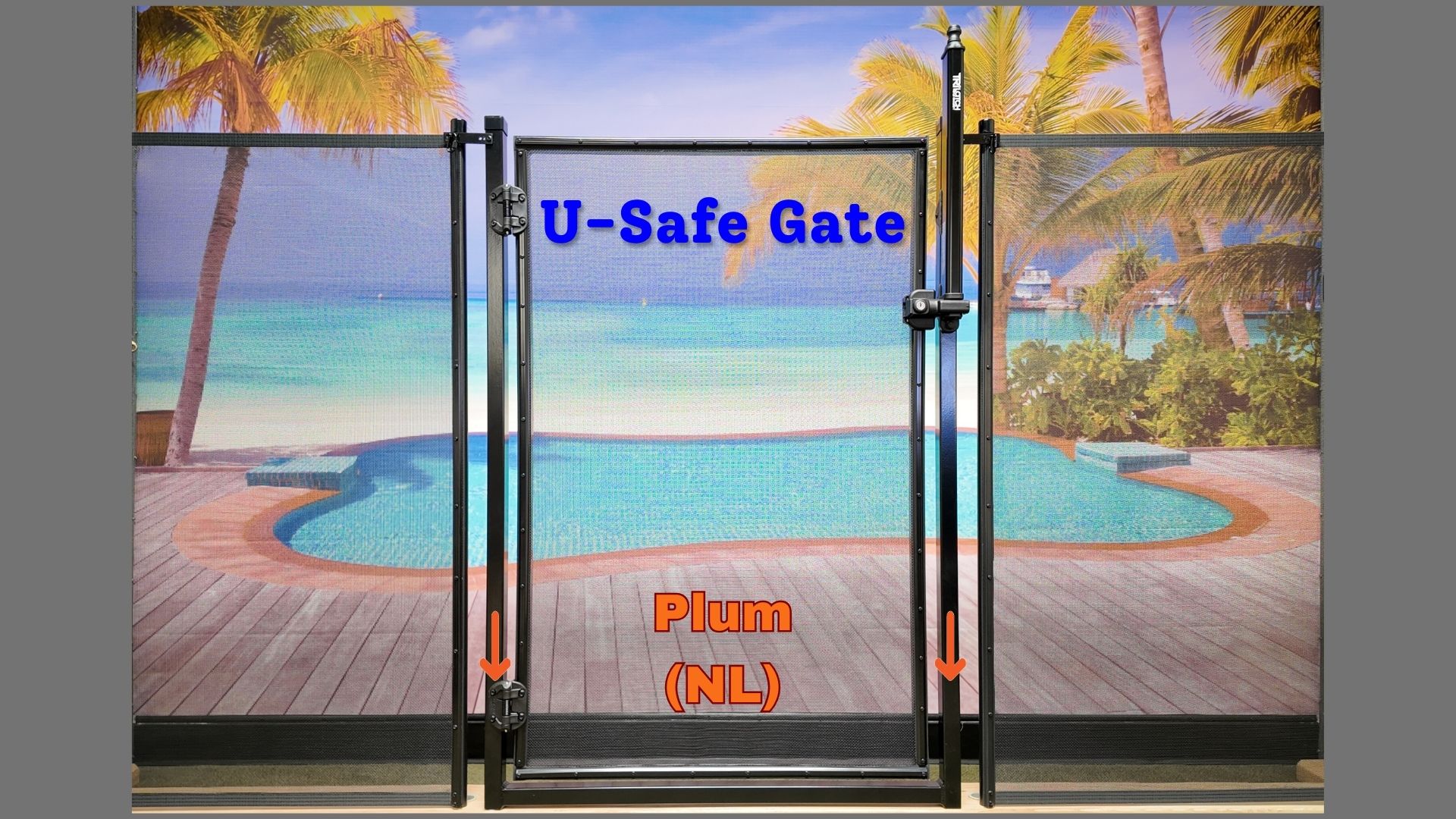
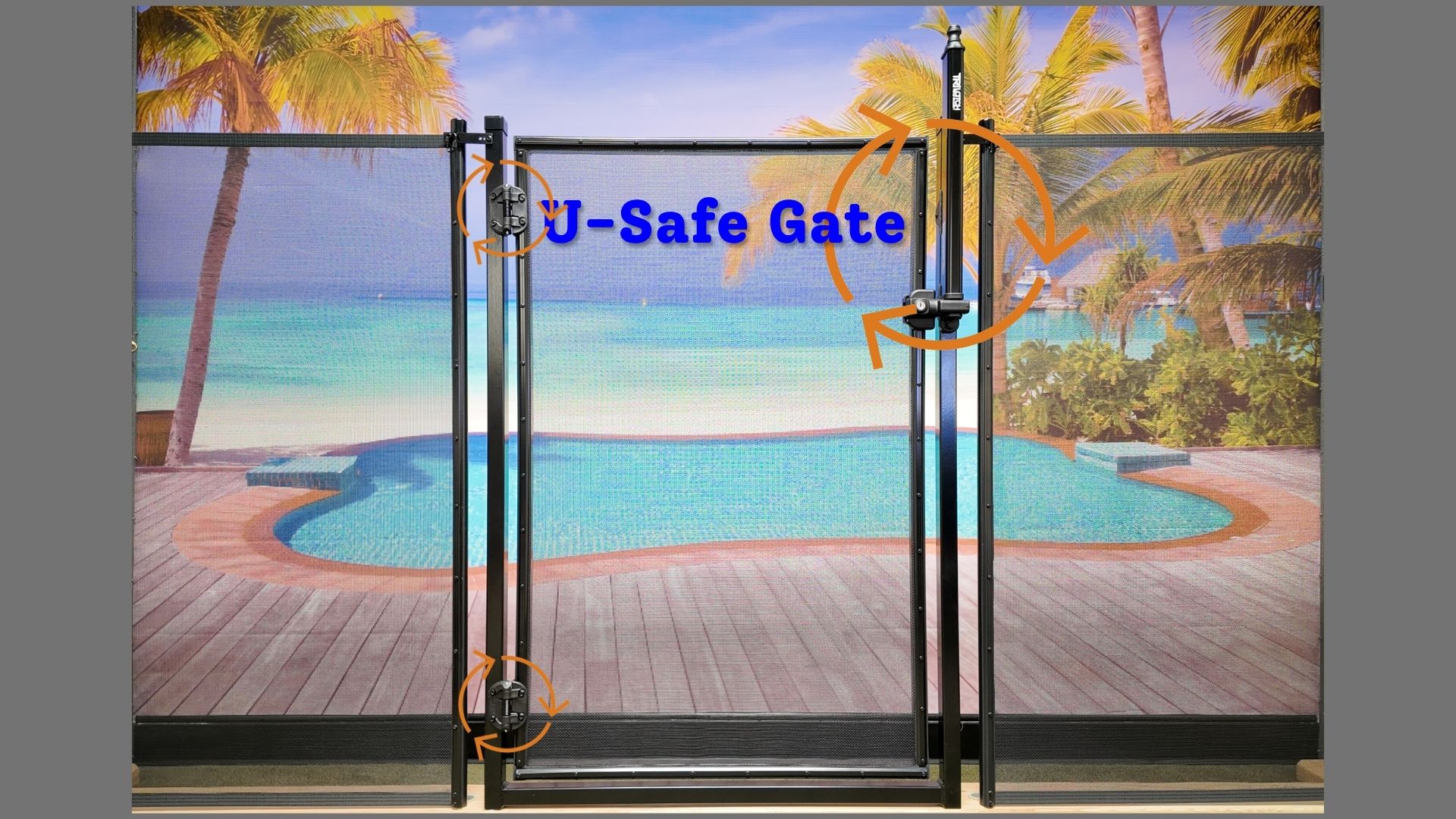
The U-Safe® gate arrives with all necessary hardware pre-installed, allowing for straightforward, hassle-free installation directly from the box.
Heavy Lean Setting
And Lastly, HL or Heavy Lean is a 5-degree lean, designated for more extreme angles like the double pole corner
Need help with your install?
Most questions are answered in the step videos on the All-Safe YouTube channel and in the Installation Quick Guide. Still stuck? Email [email protected] with a photo of what you’re seeing, or start a live chat during business hours (Mon–Fri, Pacific) from the Support page. Installing on a weekend? Send the email — it’s the first thing we answer Monday.