What to Expect After Installing a Removable Pool Fence
Installing a removable pool fence is one of the most effective ways to reduce unsupervised access to a pool area. It also changes how your backyard functions day to day. The first few weeks are when homeowners form habits, notice small adjustments, and build confidence in how the barrier works.
If you are new to removable fencing, it helps to know what “normal” looks like. It also helps to know which small issues are typical early adjustments, and which signs mean it is time to troubleshoot.
This guide focuses on what to expect after installation and how to keep your fence performing well over time. For step-by-step help, visit our Installation Day Guide or our Removal and Reinstall Guide.
The First Week: What Feels Normal and What Does Not
In the first week, most homeowners notice the change in routine more than the fence itself. You will get used to entering through the gate, keeping the gate clear, and treating the pool area like a controlled zone. This is a positive shift, because safety systems work best when they shape behavior.
It is normal to do a few extra checks early on. Many homeowners test the gate repeatedly, walk the fence line to confirm stability, and pay more attention to how the fence looks from different angles. That early awareness helps build confidence.
A removable pool fence should feel stable and consistent. If any section feels loose, shifts when pushed lightly, or appears uneven, that is a sign to address it early rather than hoping it resolves on its own.
How the Fence Should Feel During Daily Use
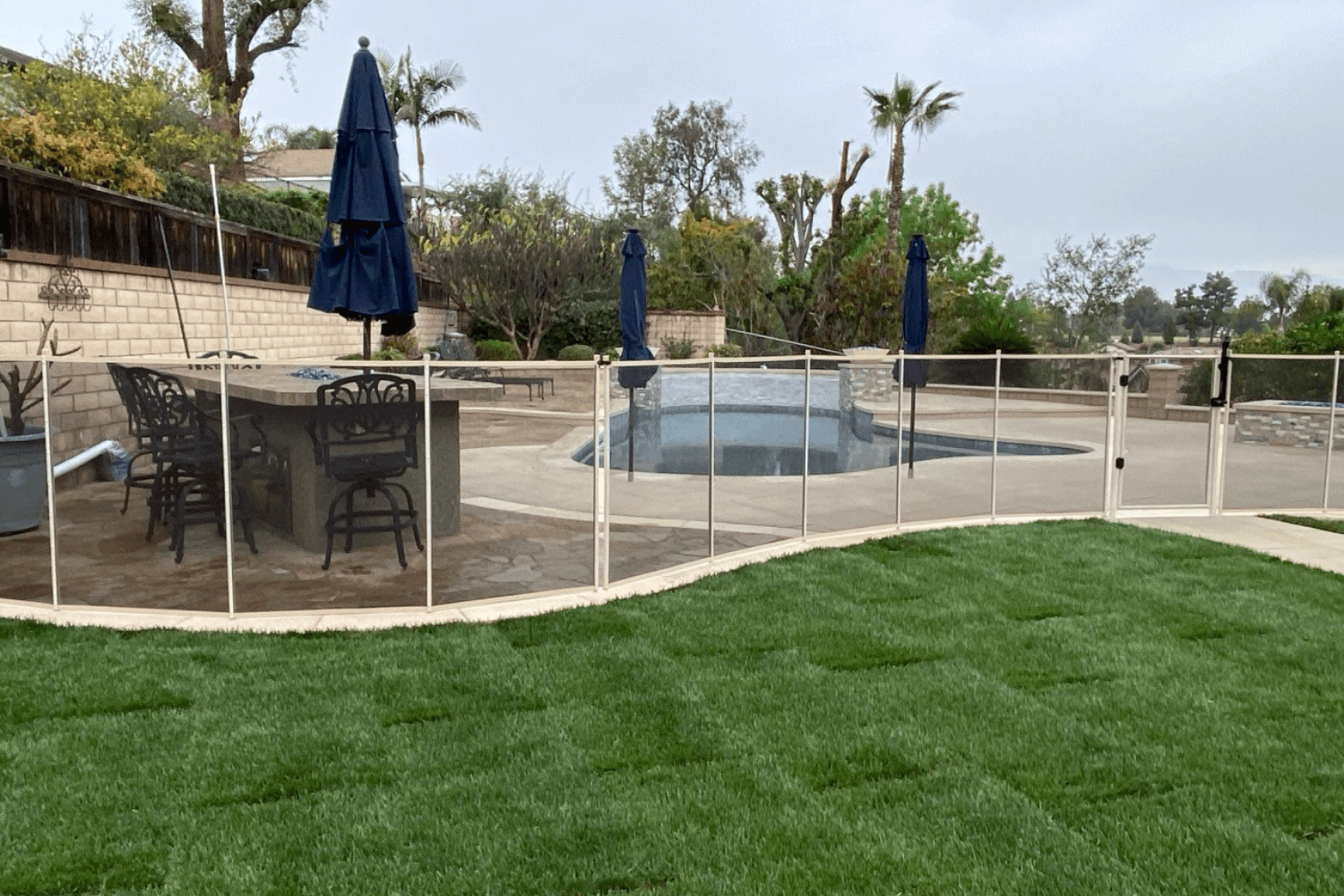
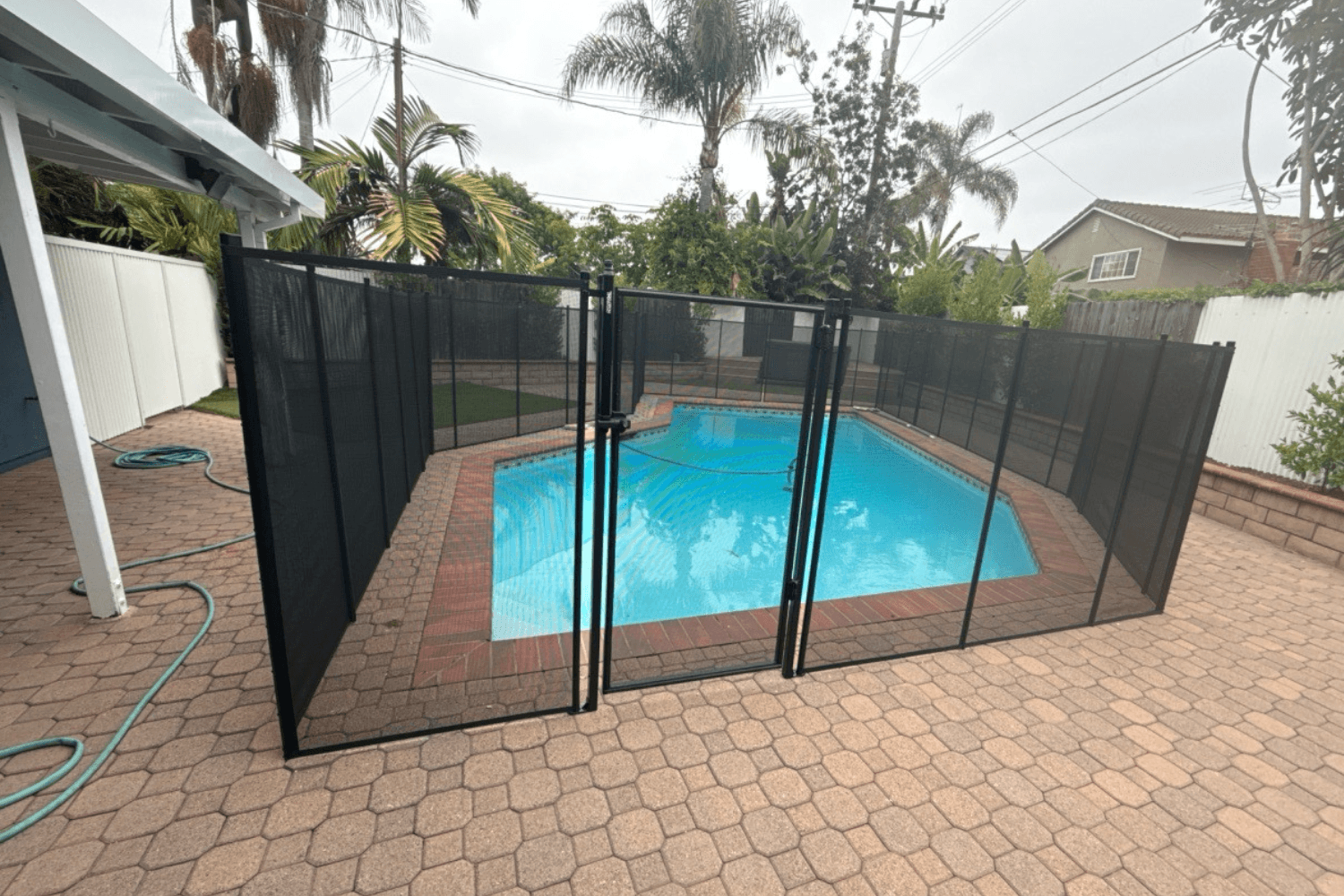
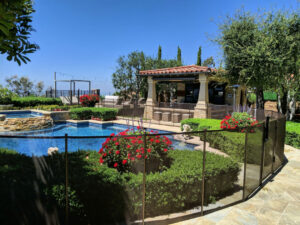
Your removable pool fence should behave predictably. Fence sections should remain upright, mesh should remain taut, and the overall barrier should feel like a true boundary rather than a lightweight divider.
In daily use, you should not feel like you are constantly adjusting the fence or working around it. If you find yourself moving furniture to make the gate usable or stepping around a section, the layout may need a small change.
The best test is simple: does the fence make safe behavior easy? A good layout guides people naturally to the gate, keeps the pool zone clearly defined, and supports day-to-day routines without frustration.
Gate Performance: What to Watch for Over Time
The gate is the most important moving part of the system. It is also the component most likely to drift out of alignment over time, especially in high-traffic households.
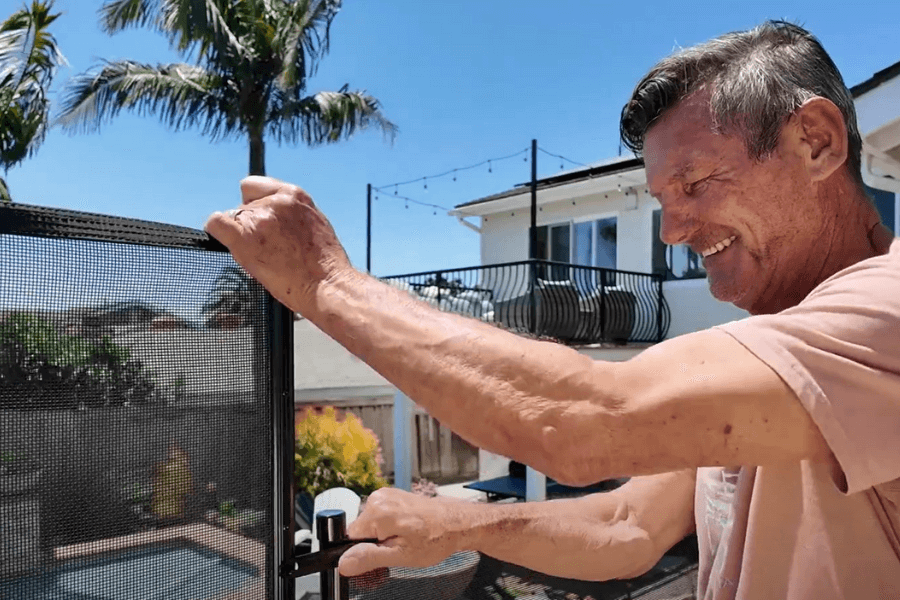
In the first few weeks, pay attention to how the gate closes and latches. It should close smoothly without needing a manual push at the end. It should latch reliably every time.
Over time, a few things can affect gate performance:
Hinges loosening slightly with use
Shifting surfaces that change alignment
Debris or clutter that blocks the swing path
If the gate ever becomes inconsistent, treat it as a priority. A fence is only as effective as the access point. Even small changes in latch alignment can create a situation where the gate “looks closed” but is not secure.
Cleaning and Care: Keeping Mesh Looking Good
Most homeowners choose mesh because it maintains visibility, supports supervision, and blends into the backyard better than solid barriers. Mesh also tends to look best when it is kept clean.
Routine maintenance does not need to be complicated. A gentle rinse and mild soap can help remove dust, pollen, and everyday buildup. This is especially useful in spring and early summer when outdoor surfaces accumulate debris quickly.
If you live near trees, expect more frequent cleanup. Pollen, leaf residue, and windblown dirt can collect on the mesh. Keeping the fence clean improves appearance and helps the material perform well long-term.
Avoid harsh chemicals that can degrade materials or leave residue. When in doubt, follow the manufacturer’s care guidance.
Removal and Reinstall: How It Fits Real Life
One of the main benefits of a removable pool fence is flexibility. Homeowners often remove sections for special events, landscaping projects, or seasonal yard changes. Others keep the fence up year-round because it supports ongoing safety routines.
The key is to treat removal and reinstall as part of the safety system, not as an afterthought. If you remove sections, plan where they will be stored so they stay clean and protected. When you reinstall, confirm the fence is stable and the gate performs correctly.
Seasonal Changes and Long-Term Wear
Every outdoor product experiences seasonal stress. Temperature shifts, sun exposure, rain, and wind can all contribute to gradual wear.
Over time, you may notice small changes:
Mesh appearance fading slightly with UV exposure
Hardware loosening with repeated use
Minor settling in patios or pavers affecting alignment
This does not mean the fence is failing. It means maintenance matters. A small adjustment early is much easier than a major fix later.
If you treat fence checks like a seasonal routine, similar to pool equipment checks, you will extend the life of the system and reduce frustration.
When to Adjust, Repair, or Replace Parts
A removable fence is designed to last, but parts can wear over time. Knowing what to watch for makes maintenance straightforward.
You may need adjustment or repair if:
The gate does not latch consistently
A section feels loose or unstable
Mesh looks torn, frayed, or overly slack
Sleeves, caps, or hardware show obvious wear
This is also where replacement parts can support long-term ownership. The goal is to keep the fence performing like it did when it was first installed.
Helpful Resources and Next Steps
If you want deeper guidance for specific tasks, these Knowledge Base articles are great next steps:
Once you know what to expect and what to watch for, a removable pool fence becomes a reliable part of your daily routine. It helps reduce unsupervised access, supports safer habits, and gives homeowners peace of mind that lasts beyond one season.
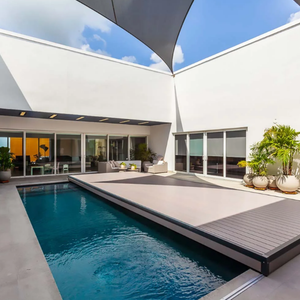
A sliding deck pool cover does more than protect the water. When closed, it can conceal the pool and turn its footprint into usable outdoor space for relaxing, entertaining, and everyday backyard living. Learn whether this custom solution may be right for your pool project.
A winter cover protects the water, but a pool fence controls access to the entire pool area. Learn why removable mesh fencing can still play an important role after your pool is closed, and when seasonal removal may make sense.
“Covered” can mean very different things for your pool and backyard. Learn how safety nets, leaf covers, winter safety covers, automatic covers, and sliding deck systems affect access, safety, maintenance, and how you can use the space around, and above, your pool.