HOA Approval for Pool Fences: How to Get a “Yes” Faster
If you live in an HOA community, installing a pool fence can feel less like a home improvement project and more like a paperwork process. Even homeowners who are fully committed to pool safety can get stuck in approval cycles, inconsistent feedback, or “send more details” requests that delay the project for weeks.
The good news is that most HOA rejections are not about safety. They are about incomplete applications, aesthetic concerns, or missing documentation. If you approach the process the way an architectural review committee thinks, you can often get approval faster and avoid the back-and-forth that frustrates so many homeowners.
This guide covers what HOAs usually look for, how to submit a strong request, and how to position your fence as a practical improvement that fits the community’s standards.
Why HOAs Push Back on Pool Fences
HOAs are designed to protect property values and enforce consistent community standards. From their perspective, anything visible from the street or neighboring yards is a potential issue, even if it improves safety.
Common HOA concerns include:
Appearance and uniformity across the neighborhood
Whether the fence blocks views or affects landscaping
Whether the fence is “permanent” and changes the property long-term
Fears about setting a precedent for other homeowners
Some HOAs are also sensitive to materials. They may have strong opinions about wood, metal, glass, or mesh. None of this means they are against safety. It means they want to control how the solution looks and how it fits the community.
The fastest approvals usually come when you address those concerns upfront instead of waiting for the HOA to ask.
What HOAs Usually Require for Approval
Most HOAs have an architectural review process. They typically want to see enough detail to understand what you are installing, where it will go, and how it will look once completed.
While requirements vary, many HOAs ask for:
A site plan showing fence location and gate placement
A description of materials and color
Fence height and basic specifications
Photos of the yard where the fence will be installed
The committee is not usually trying to make this hard. They are trying to make a decision without guessing. The more clearly you present the project, the easier it is for them to approve.
What to Include in Your Pool Fence Request
If your goal is to get HOA approval quickly, treat your submission like a mini project packet. It does not need to be long. It needs to be clear.
A strong request typically includes:
A short overview paragraph
Explain what you want to install, why, and how it will be used. Keep the tone professional and practical. Avoid making it emotional or argumentative.
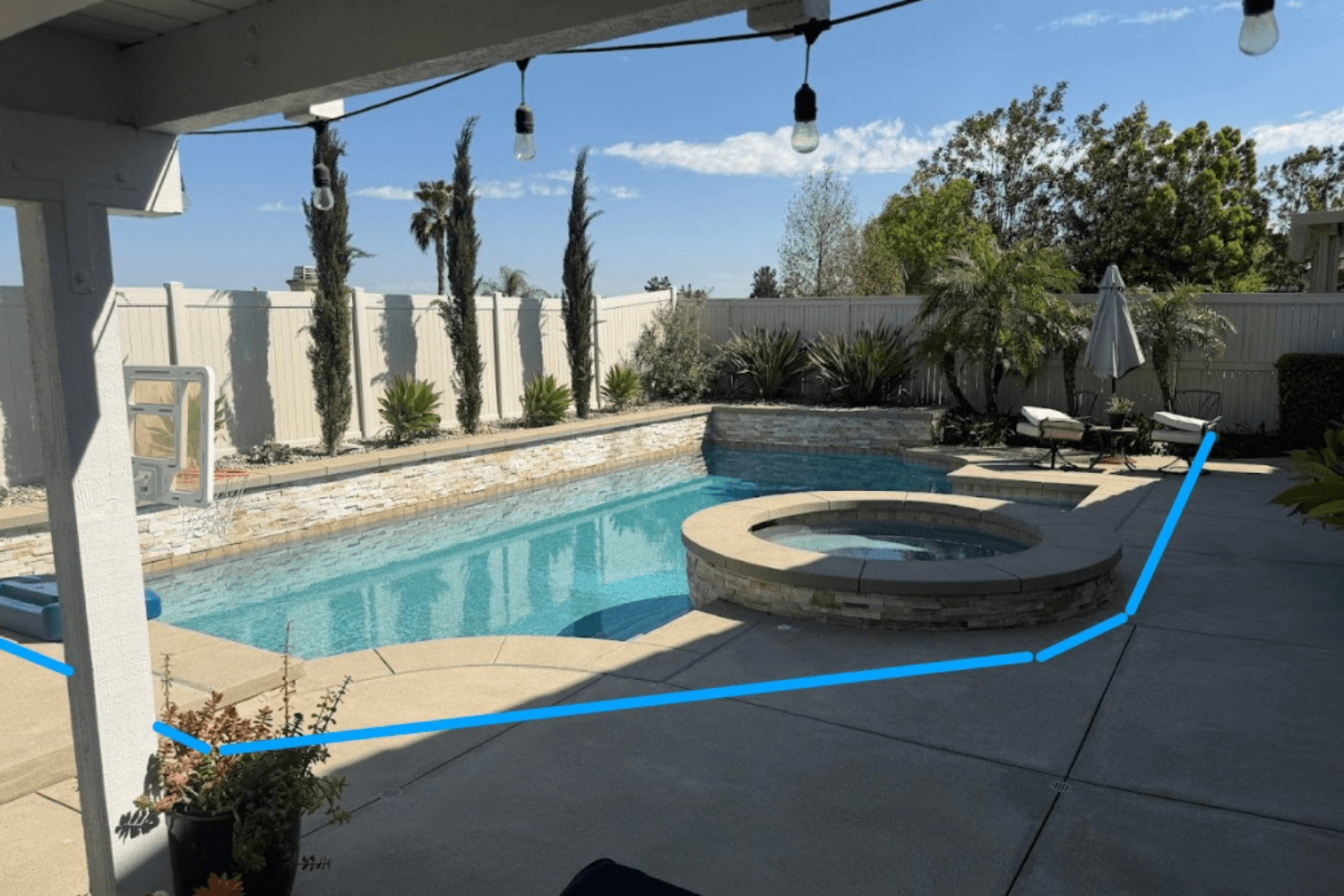
A simple site plan
This can be a printed aerial image from a mapping tool or a basic sketch. Mark the pool, fence line, and gate location clearly. If you’re working with a pool safety professional, ask if they can provide you with a sketch showing the planned fence perimeter.
Material and color details
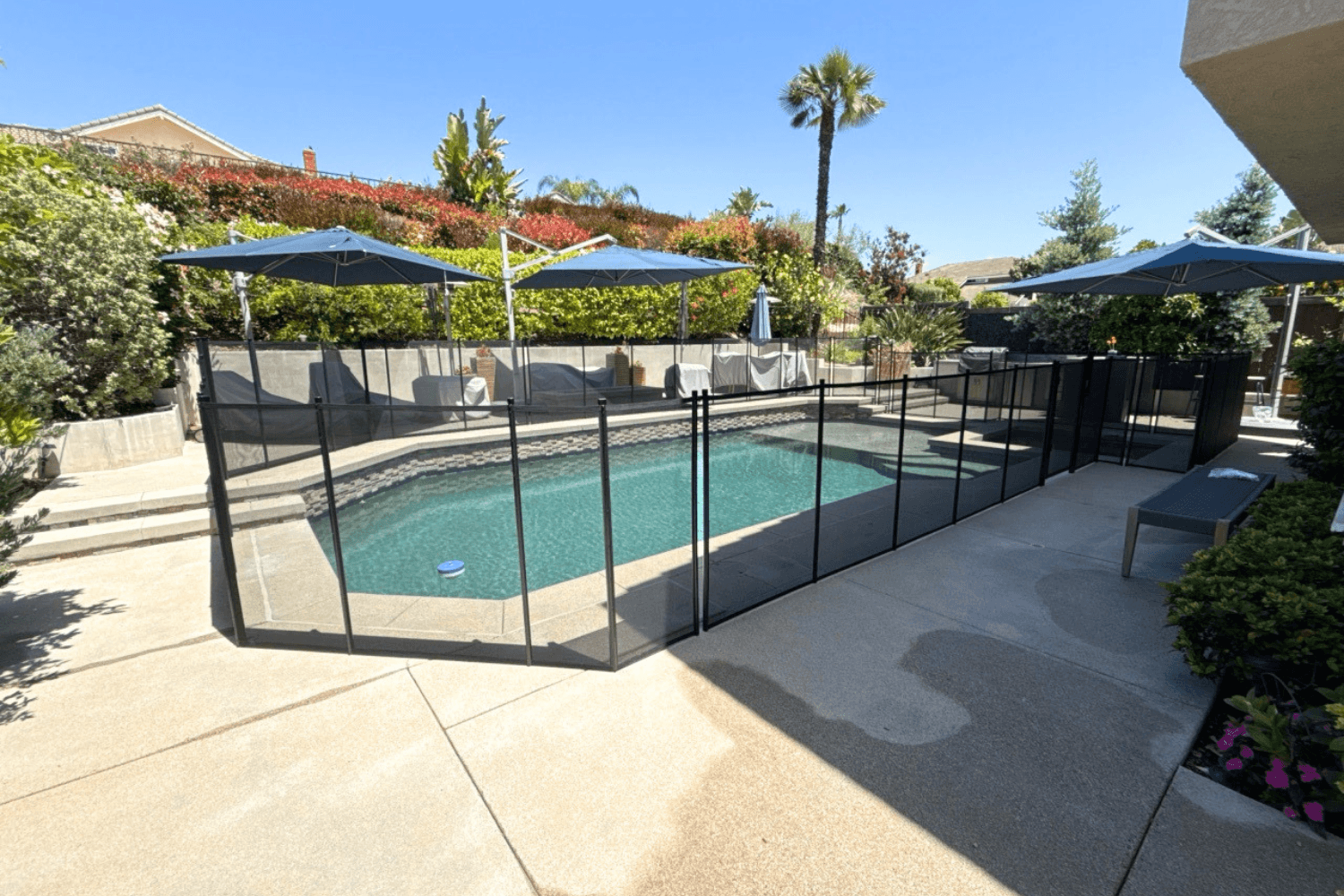
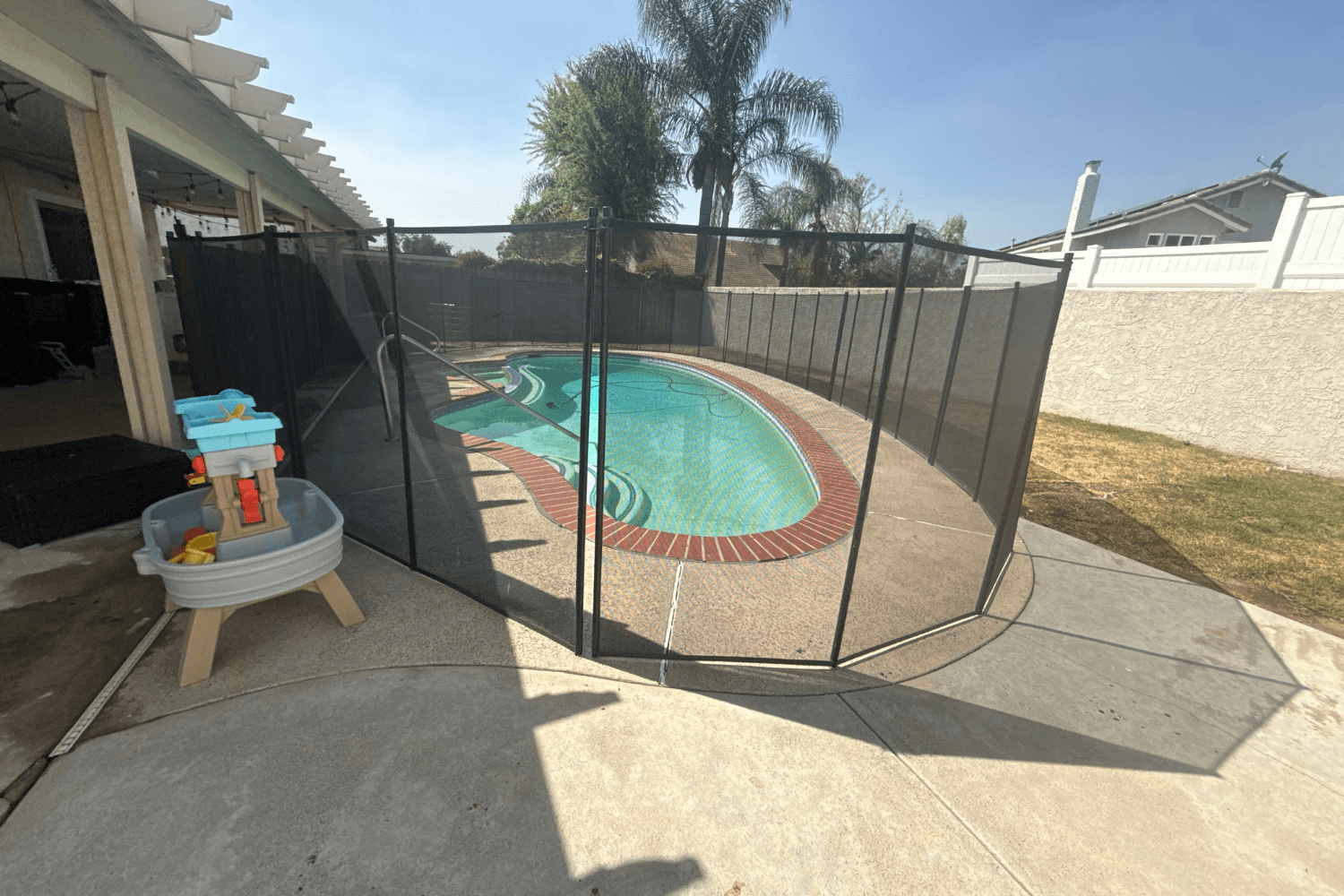
HOAs care about how the fence blends into the community. If the system is visually unobtrusive, say so. If the fence maintains visibility, include that too.
Photos of your backyard
Provide a few angles so the committee understands what the fence will look like in context.
Product documentation
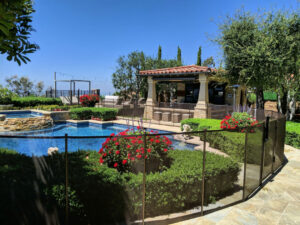
Include the manufacturer’s spec sheet or product page and any available photos of installed examples. This is especially helpful for removable mesh options because many people have never seen one in person.
Local code reference, if helpful
If your HOA is concerned about safety compliance, referencing local requirements can strengthen your request. Keep it simple. The goal is to show you are planning responsibly.
How to Avoid the Most Common HOA Rejections
HOA denials often happen for predictable reasons. You can reduce the chance of rejection by addressing these issues before they arise.
One common issue is submitting without a clear plan. If the committee cannot tell where the fence will go, they may reject it and ask for a revised plan.
Another issue is lack of product detail. If you say “pool fence” without specifying material, height, or appearance, the HOA may imagine a bulky or unattractive structure. Provide visuals so they do not guess.
A third issue is ignoring community standards. Many HOAs have specific rules about visible structures. If your community prefers minimal visual impact, highlight solutions that preserve sight lines and blend into the yard.
Finally, timing matters. Submitting right before a meeting deadline without enough detail can delay approval. If your HOA meets monthly, missing the packet deadline can cost you weeks.
How to Talk About Safety Without Sounding Defensive
Safety is the reason most homeowners install a pool fence, but the way you communicate it matters. If your request reads like you are challenging the HOA or implying negligence, it can create friction.
A better approach is to present safety as a responsible, common-sense improvement.
You can frame it like this:
You are adding a barrier to reduce unsupervised access
You want a solution that complements the community’s standards
You are choosing a design that maintains a clean appearance
You are planning with local requirements in mind
This tone helps the committee see you as cooperative. It also makes it easier for them to approve the request without feeling like they are making an exception.
Timelines, Inspections, and Next Steps
HOA timelines vary. Some committees respond in a week. Others respond once a month. A few require multiple rounds of review.
To avoid delays, ask early:
When the committee meets
When submissions are due
Whether they require onsite review after installation
Whether they need updated photos once the project is complete
Some HOAs want a final inspection to confirm the fence matches the approved plan. That is common. It also means you should keep a copy of your approved request and any supporting documents.
If your HOA requests modifications, respond quickly and clearly. Most delays come from slow back-and-forth. If you provide what they ask for in one clean update, you often move forward faster.
A Simple Checklist to Get a Faster Yes
Before submitting your request, confirm you have:
A written overview of what you plan to install
A clear fence layout and gate location
Photos of the installation area
Material, color, and height details
Product images or documentation
A note confirming you will follow local safety requirements
A plan for how the fence will look from common views
A complete submission reduces committee guesswork. It also reduces the number of follow-up questions, which is often the biggest reason approvals drag out.
A sliding deck pool cover does more than protect the water. When closed, it can conceal the pool and turn its footprint into usable outdoor space for relaxing, entertaining, and everyday backyard living. Learn whether this custom solution may be right for your pool project.
A winter cover protects the water, but a pool fence controls access to the entire pool area. Learn why removable mesh fencing can still play an important role after your pool is closed, and when seasonal removal may make sense.
“Covered” can mean very different things for your pool and backyard. Learn how safety nets, leaf covers, winter safety covers, automatic covers, and sliding deck systems affect access, safety, maintenance, and how you can use the space around, and above, your pool.