Owning a pool changes the way insurance companies view your property. If you’re considering a pool fence, it’s smart to understand how it can affect coverage requirements, liability, and peace of mind.
Some homeowners assume adding a fence automatically lowers premiums. Others worry they’ll be forced into expensive upgrades just to keep their policy. In reality, what happens depends on your insurer, your location, and how your pool area is secured. This guide breaks down what insurers typically care about, what to ask your agent, and how pool safety improvements fit into the bigger picture.
Why Pool Safety Comes Up in Insurance Conversations
Homeowners insurance is built around risk. Pools are considered an “attractive nuisance,” meaning they can draw children or visitors who should not be there. That concept matters because it affects liability exposure. If someone is injured in or around your pool, even if they are not part of your household, it can trigger a liability claim.
That is why pool safety features often become a talking point with insurance agents. It is not because insurers love paperwork. It is because insurers want to understand how likely it is that an accident could happen and how well the property reduces unsupervised access.
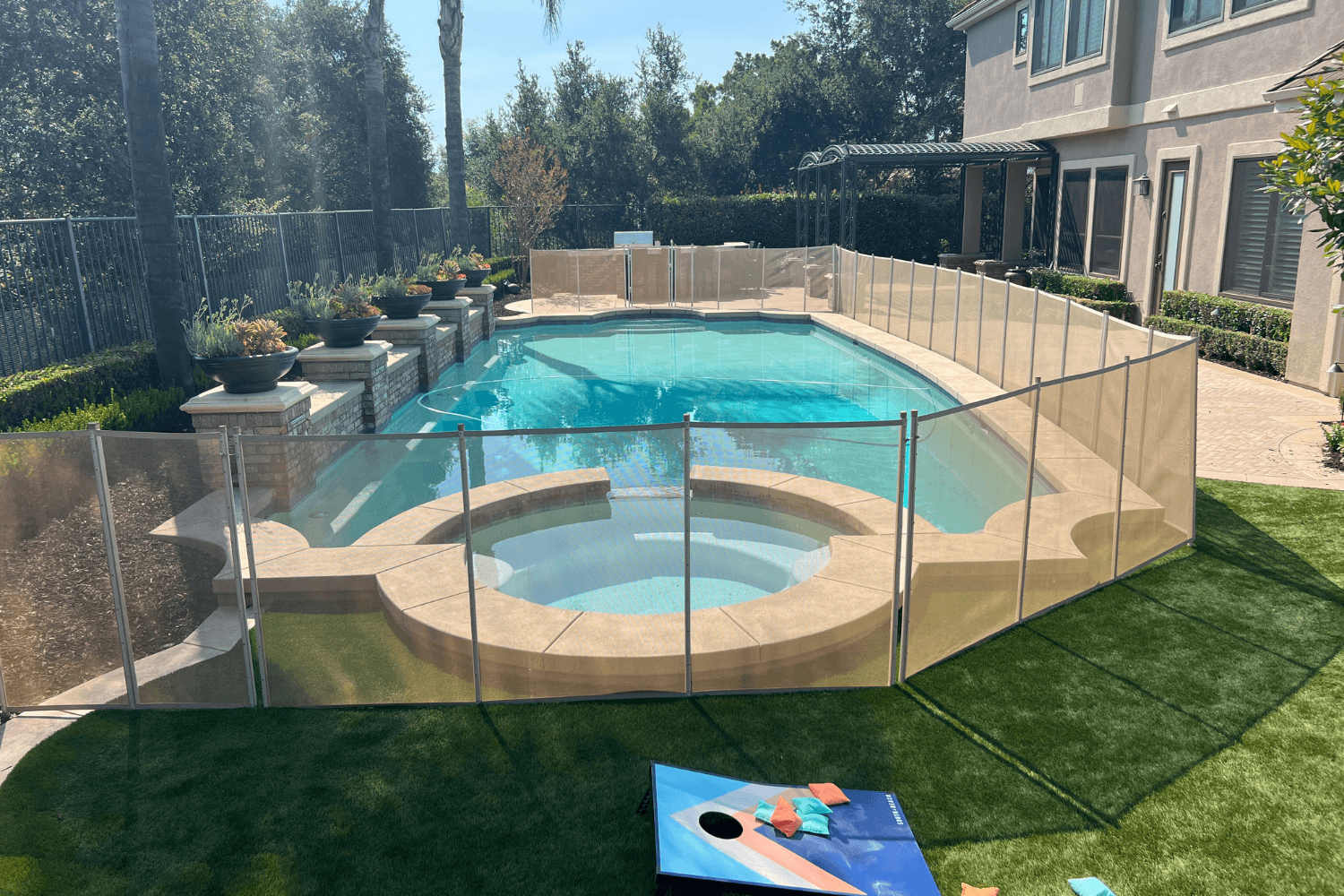
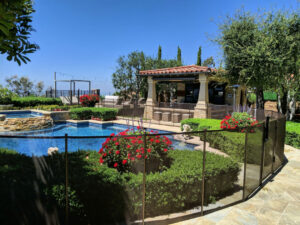
A pool fence is one of the most visible and effective ways to reduce risk because it creates a physical boundary. It helps prevent accidental access during everyday moments when supervision is not constant.
Will a Pool Fence Lower Your Premium?
This is where expectations need to be realistic. Some insurers may offer discounts for certain safety features, but it is not universal. In many cases, adding a fence may not produce a noticeable premium reduction, even if it is a smart safety investment.
That said, a fence can still help in ways that matter financially:
It can help you meet underwriting requirements so your policy is issued or renewed without issues.
It can reduce the likelihood of a claim by reducing access risk.
It can help demonstrate responsible ownership if questions arise after an incident.
So while the “discount” angle is possible, the bigger benefit is often risk reduction and smoother insurance conversations. In other words, a fence may not always lower your monthly bill, but it can still protect you from larger problems.
What Insurers Typically Care About With Pools
Every carrier has its own underwriting standards, but most pool-related insurance questions fall into a few categories.
Access control
Insurers often want to know whether the pool can be accessed without an adult intentionally allowing entry. This is why barriers and gates come up so frequently. A pool that is open to the yard with no barrier may raise concerns, especially if the home is in a neighborhood with children.
Physical barriers
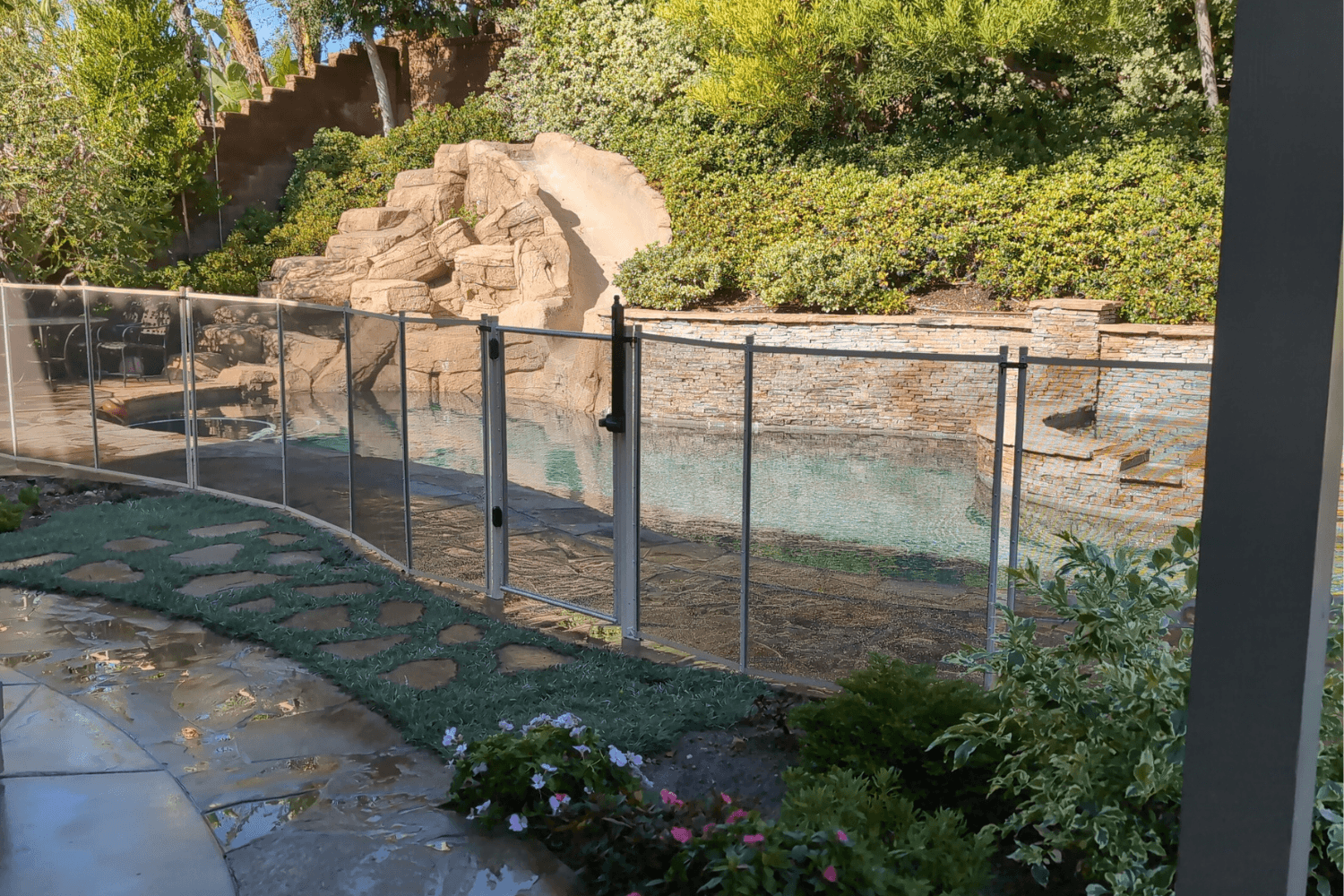
A fence is a straightforward, widely recognized safety measure. Insurers may ask whether there is a fence, how tall it is, and whether the gate is self-closing and self-latching. They may also ask whether the barrier meets local regulations.
Additional safety layers
Depending on the carrier and the property, insurers might also ask about other safety features such as alarms or covers. These do not replace a fence in many jurisdictions, but they can be part of a layered safety plan.
Liability limits
If you have a pool, it is common to review your liability limits. Pool ownership can increase potential exposure, and many homeowners choose to increase liability coverage or add an umbrella policy for added protection. This is not because a pool guarantees an incident, but because the cost of higher liability limits is often small compared to the potential cost of a major claim.
Property condition and risk signals
Insurers also care about the overall condition of the home and property. Poor maintenance, broken gates, or obvious hazards around the pool area can be a red flag. A secure, well-maintained pool area sends a different signal than one that feels open or neglected.
What to Ask Your Insurance Agent
If you want a clear answer about your situation, the fastest path is to ask your insurance agent specific questions. Vague questions often lead to vague answers, so it helps to be direct.
Here are good questions to ask:
Do you have specific requirements for pool barriers in order to maintain coverage?
Do you require a fence, and if so, are there gate requirements you expect?
Do you offer discounts for safety features such as fences or alarms?
Does adding a pool fence change how you underwrite or rate the policy?
Should I increase my liability coverage because I have a pool?
Would an umbrella policy make sense for my household?
If you are shopping for a new policy, ask these questions early. If you are already insured, asking ahead of renewal can help you avoid surprises.
Documenting Your Pool Safety Setup
Even if your insurer does not require documentation today, it can be helpful to keep a simple record of your safety setup. This is especially true if you have multiple safety layers, have made recent upgrades, or plan to sell the home later.
Useful documentation might include:
Photos showing the fence line and gate
Notes about safety features such as self-closing and self-latching behavior
Receipts or records for major safety upgrades
Inspection notes if you periodically check gate function and fence stability
This does not need to be formal. The goal is simply to have proof of what you have in place if questions ever come up.
Fences, Gates, and Other Safety Layers
If your goal is to create the safest pool environment, the best approach is layered. A pool fence is often the core barrier because it prevents access. A gate is the daily-use point that reinforces safe habits. Other layers can support the overall system depending on your household.
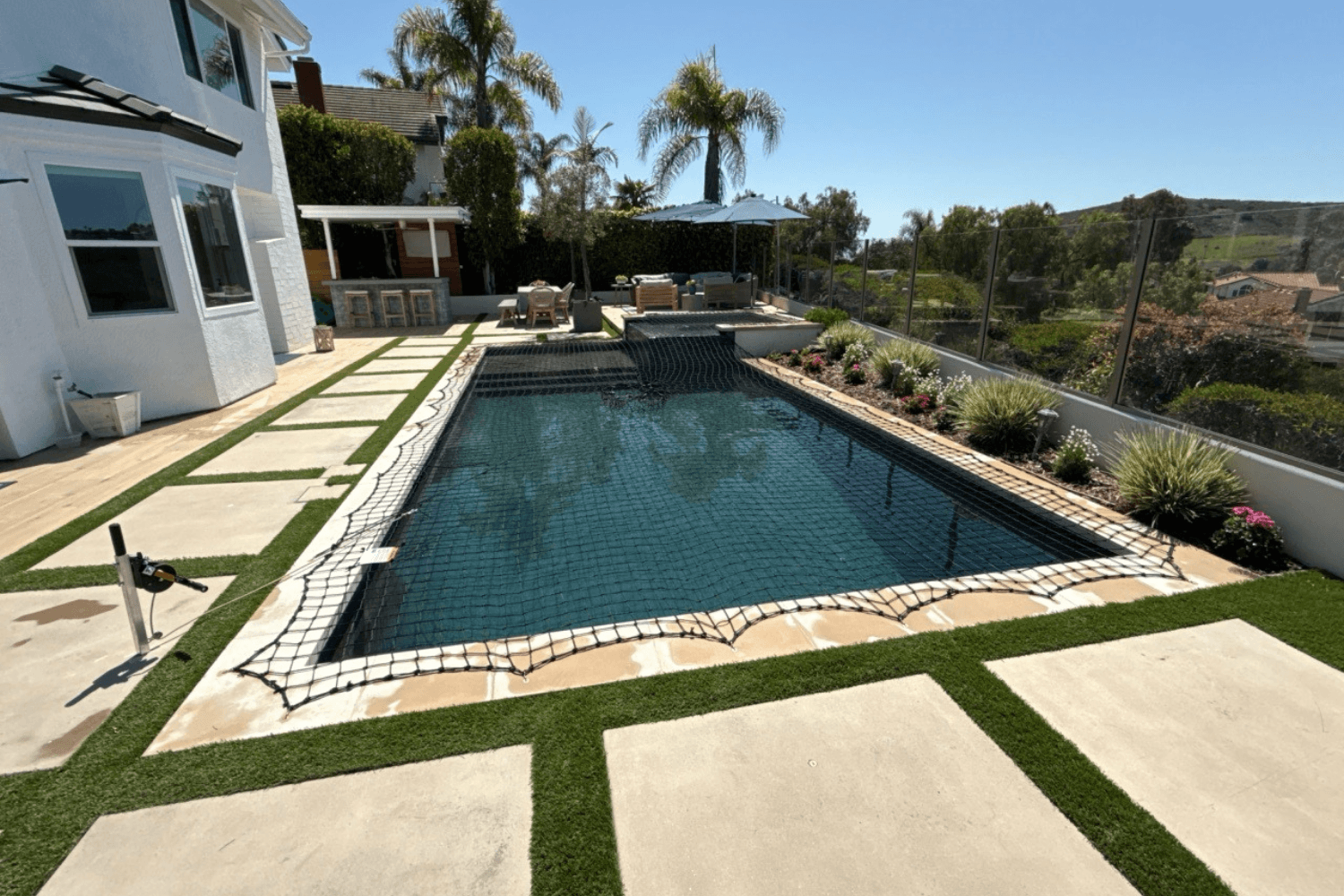
For example, some homeowners add alarms for extra awareness. Others add covers or nets during off-season periods when the pool is not in use. The right combination depends on your property layout and how your household uses the backyard.
The important point is this: insurance conversations usually focus on access control. A fence is one of the clearest ways to show you have controlled access in place.
The Smart Takeaway for Pool Owners
A pool fence can affect homeowners insurance, but not always through a simple “discount” mechanism. Its value is often bigger than that. A fence helps reduce unsupervised access, supports safer routines, and can make insurance conversations easier by addressing the core concern most carriers have with pools.
If you are on the fence about pool safety, this is a practical way to frame it: you are not just buying a product. You are building a safer environment and reducing risk in a way that benefits your family, your guests, and your long-term liability exposure.
If you want the most accurate guidance for your situation, ask your agent directly what they require and what they recommend. Then choose a safety solution that fits your yard, your household, and your long-term plans.
A sliding deck pool cover does more than protect the water. When closed, it can conceal the pool and turn its footprint into usable outdoor space for relaxing, entertaining, and everyday backyard living. Learn whether this custom solution may be right for your pool project.
A winter cover protects the water, but a pool fence controls access to the entire pool area. Learn why removable mesh fencing can still play an important role after your pool is closed, and when seasonal removal may make sense.
“Covered” can mean very different things for your pool and backyard. Learn how safety nets, leaf covers, winter safety covers, automatic covers, and sliding deck systems affect access, safety, maintenance, and how you can use the space around, and above, your pool.