Selling a Home With a Pool: Safety Features Buyers Look For
Selling a Home With a Pool: Safety Features Buyers Look For
A pool can be a major selling point. For the right buyer, it represents fun, relaxation, and a lifestyle upgrade. For others, it raises immediate questions about safety, maintenance, and liability. That is why pool safety details often influence how buyers feel during a showing, even if they never say it out loud.
If you are selling a house with a pool, your goal is to help buyers imagine enjoyment without worry. The way to do that is by presenting the pool area as secure, well-maintained, and thoughtfully set up. Here are the safety features buyers tend to notice, the red flags that can create hesitation, and the practical steps that help a pool feel like an asset rather than a risk.
Why Pool Safety Stands Out During Home Showings
Most buyers walk through a home quickly. They absorb the big picture, then fixate on anything that feels like a future problem. A pool can trigger that reaction if the area looks open, uncontrolled, or hard to manage.
Buyers with children often look for barriers immediately. Buyers without children may still think about visiting family, pets, and future resale. Even investors and second-home buyers tend to ask the same question: how easy is it to keep this pool area safe?
If the answer is clear at first glance, you reduce friction in the buying decision.
What Buyers Notice First Around the Pool Area
During a showing, buyers usually notice a few things in a predictable order.
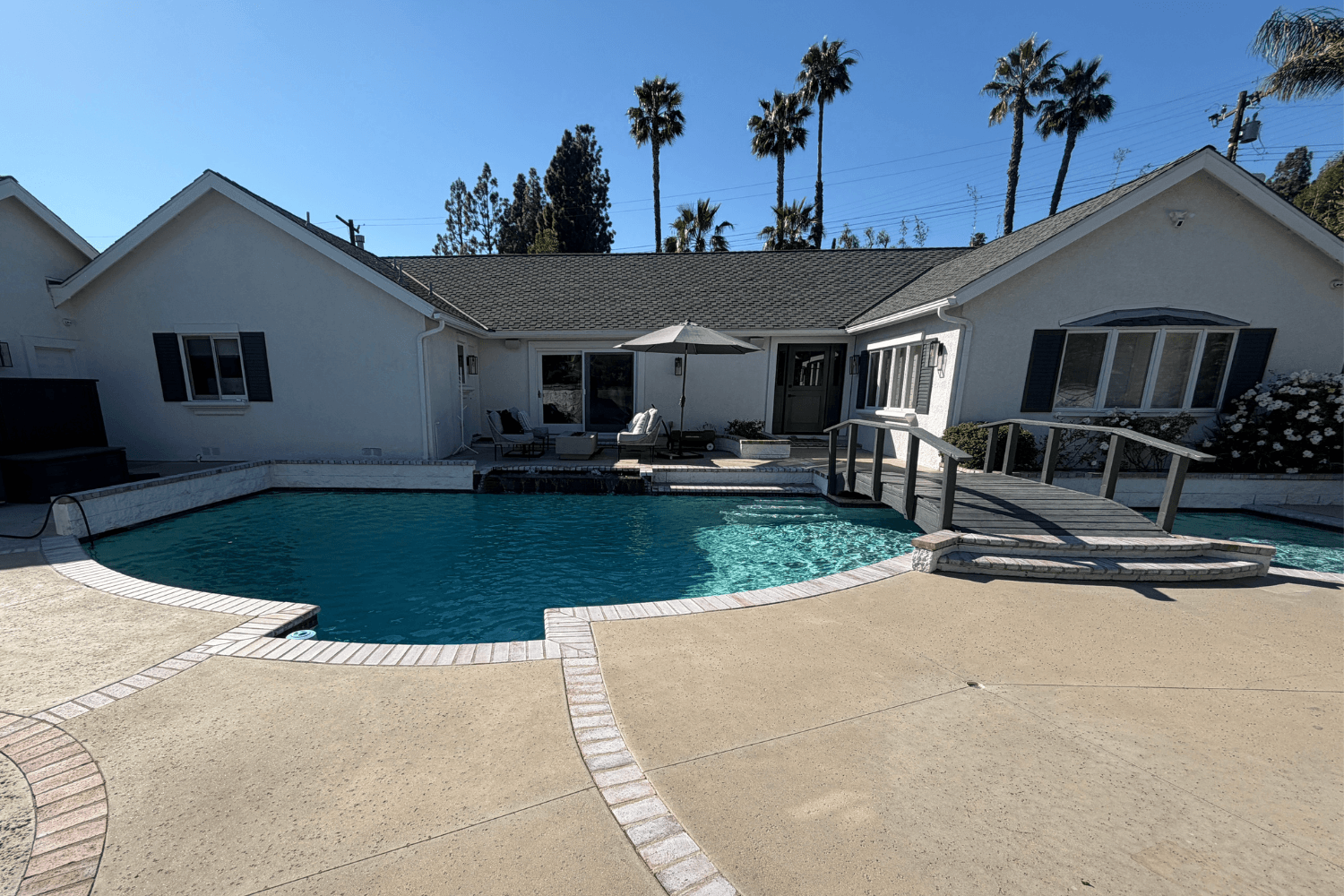
They notice whether the pool feels open to the yard or separated by a barrier. They notice the condition of the deck and any obvious trip hazards. They notice whether gates feel secure. They notice how easy it would be for a child or pet to access the water.
They also notice the overall vibe. A pool area that feels organized and controlled communicates responsible ownership. A pool area that feels chaotic or unsecured can create doubt.
This is important because buyers often make emotional decisions first, then justify with logic later. A safe-looking pool supports confidence.
Pool Barriers: The Feature That Builds Confidence
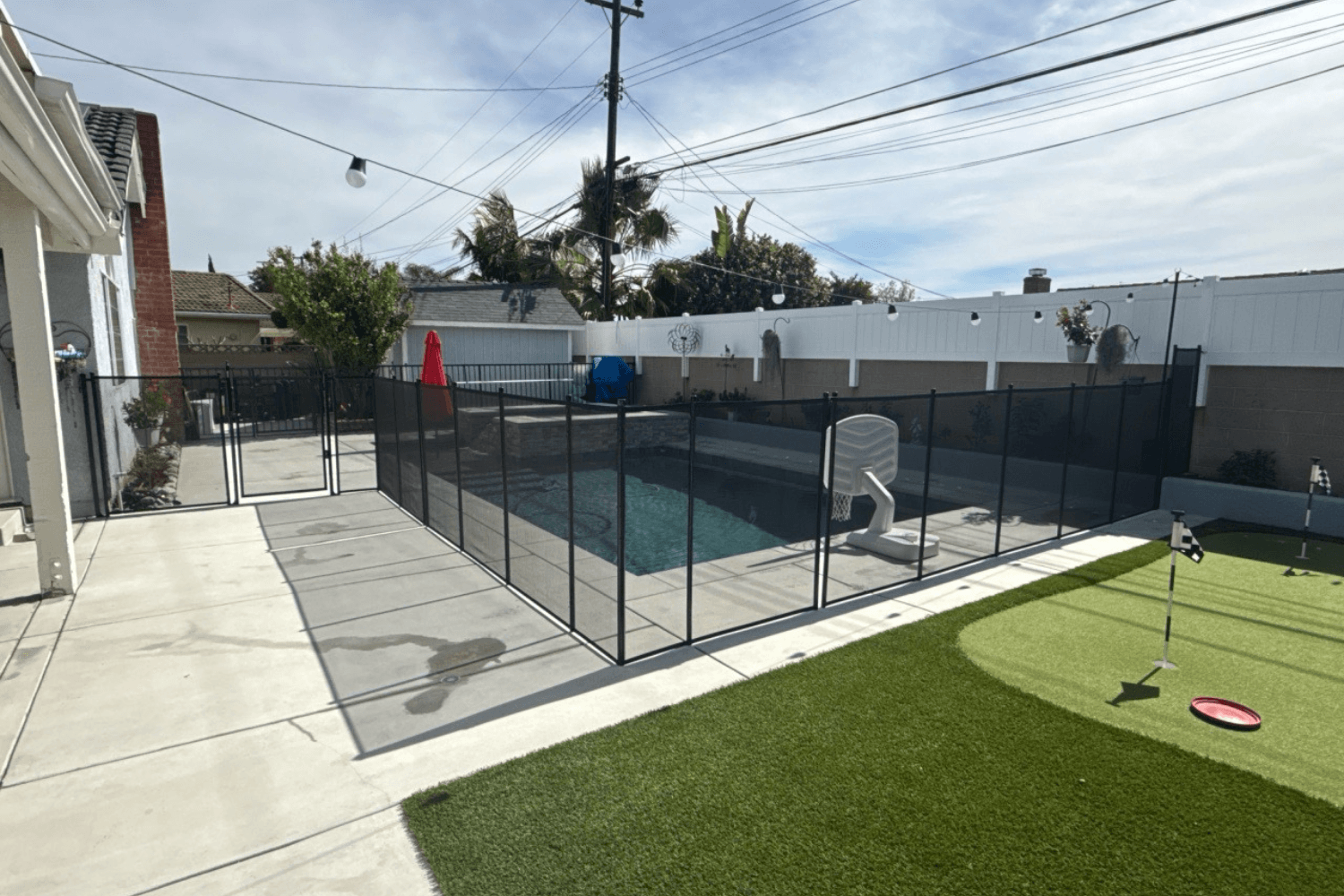
A pool barrier is one of the most visible safety signals for buyers. It tells them that access to the pool is controlled and that safety was part of the home’s design, not an afterthought.
For many buyers, a fence is the primary feature they want to see. A properly installed fence with a reliable gate reduces unsupervised access risk and helps the pool feel manageable.
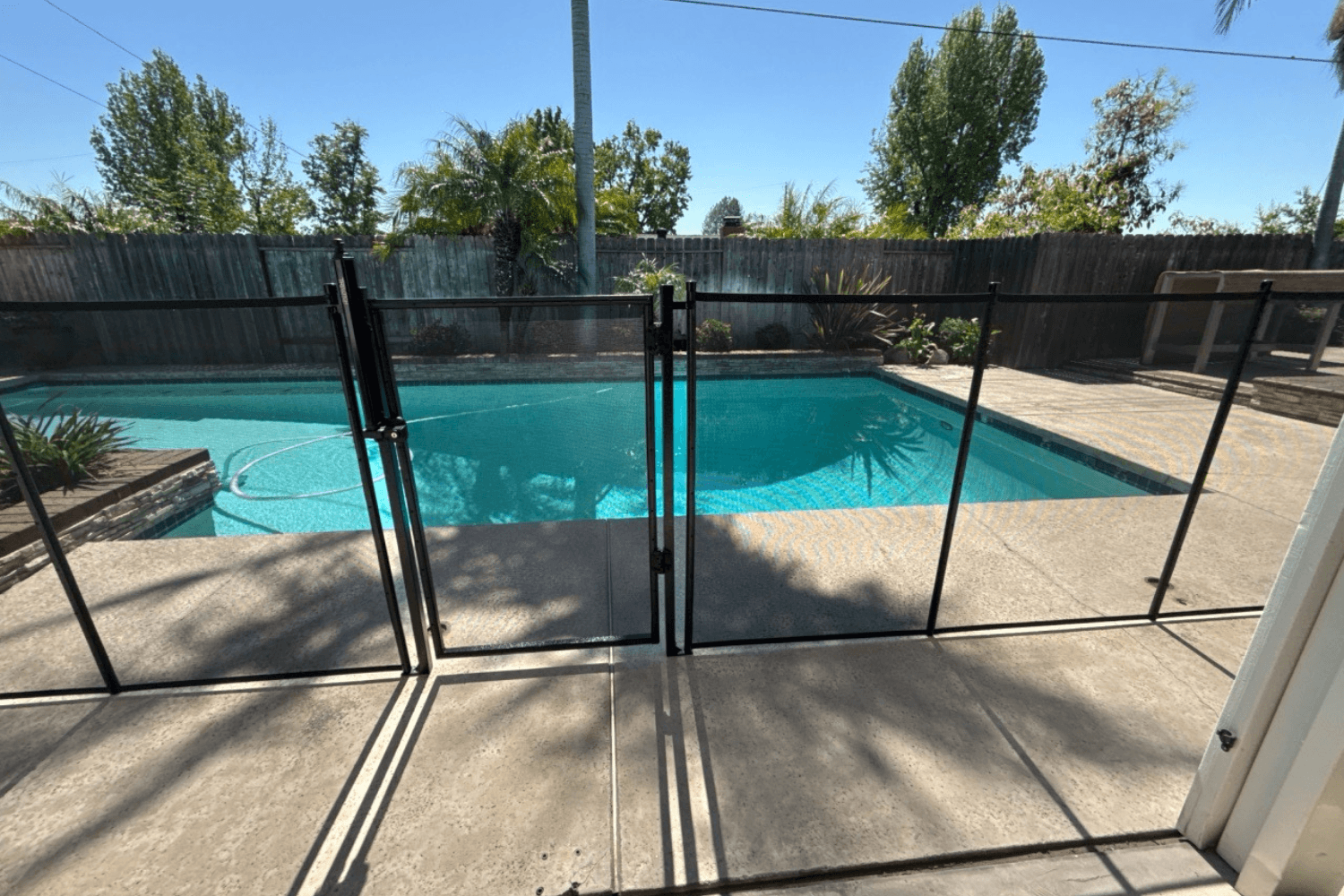
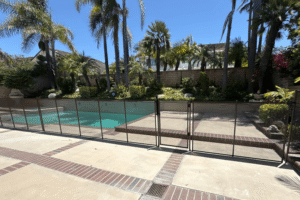
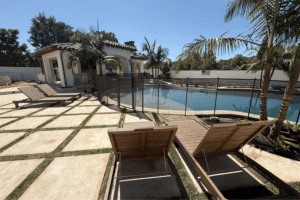
A removable mesh pool fence can be especially appealing in residential settings because it preserves visibility across the yard while still providing a true barrier. Buyers can see the pool area clearly and still understand that it is protected.
If you are selling, the barrier is not just a safety measure. It can be a confidence measure. It reduces the number of objections buyers feel, especially those who are deciding between two homes with similar features.
Common Red Flags That Make Buyers Hesitate
Buyers do not always say what they are thinking, but certain issues create hesitation.
An open pool with no clear barrier can be a major concern, especially for families. A gate that sticks or does not latch cleanly can create the impression that the safety system is unreliable. Loose fence sections or visible damage suggest future repairs.
Deck conditions matter too. Cracked surfaces, slippery areas, and clutter around the pool can make the space feel less safe. Poor lighting near the pool area can raise concerns about evening use.
Another subtle red flag is confusion. If the pool area does not have clear boundaries, buyers may not know where the “safe zone” ends and the “pool zone” begins. A clear fence line and gate placement solves that.
How to Prepare for Open Houses and Walkthroughs
If you know buyers will be walking through your backyard, treat the pool area like a presentation space.
Start by clearing clutter. Remove toys, hoses, loose furniture, and anything that could block a walkway or make the area look unmanaged. Make sure the gate closes and latches properly. Walk the perimeter and confirm the fence feels stable.
If your pool is not in use, consider how it will look. A covered pool often signals that the homeowner manages the space intentionally. If you use a pool cover, make sure it is secure and looks clean.
Also think about access points. Buyers will test gates. They will open and close them. Make sure they function smoothly. A secure, easy-to-use gate reinforces a sense of control rather than frustration.
What to Disclose and What to Document
Disclosure rules vary by state and local jurisdiction, so it is important to follow your real estate professional’s guidance. From a practical standpoint, buyers often appreciate documentation that shows the pool safety system is legitimate and well maintained.
Useful documentation might include:
Proof of any major safety upgrades
Records of recent maintenance
Information about fence features such as gate behavior
Details about local compliance if relevant
The goal is not to overwhelm buyers. The goal is to remove uncertainty. A buyer who feels informed is often a buyer who feels confident.
A Simple Pre-Listing Pool Safety Checklist
Before listing, it helps to do a short safety review. Think of it as staging for peace of mind.
Make sure the pool gate closes fully and latches consistently.
Confirm there are no gaps in the barrier line.
Check that fence sections are stable and upright.
Clean up the deck and remove trip hazards.
Confirm lighting works around entry points.
If any part of the barrier system is worn, repair it before buyers arrive. Small fixes can have an outsized impact on perception.
Next Steps to Upgrade Your Pool Safety Setup
If you are preparing to sell a house with a pool and want the backyard to feel safer and more buyer-friendly, start with access control. A fence and reliable gate system are among the most visible and confidence-building improvements you can make.
A pool fence is essential, but it is not the whole story. Real‑life pool safety means planning layers of protection that still work on busy, distracted days, not just on paper. This guide shows you how to build a layered safety system around the way your family actually uses your pool.
Halfway through swim season is the perfect time to double‑check that your pool fence, gate, and safety gear are still doing their job. Use this 15‑minute mid‑summer pool safety audit to quickly spot issues and decide what needs a simple fix, parts replacement, or a pro’s help.
Today’s families use their pools for remote work breaks, fitness, therapy, parties, and visiting guests, not just weekend free‑swim. This shift changes what a “good” pool fence and safety plan look like. Here’s how modern habits should shape your fence layout, gate placement, and layers of protection.