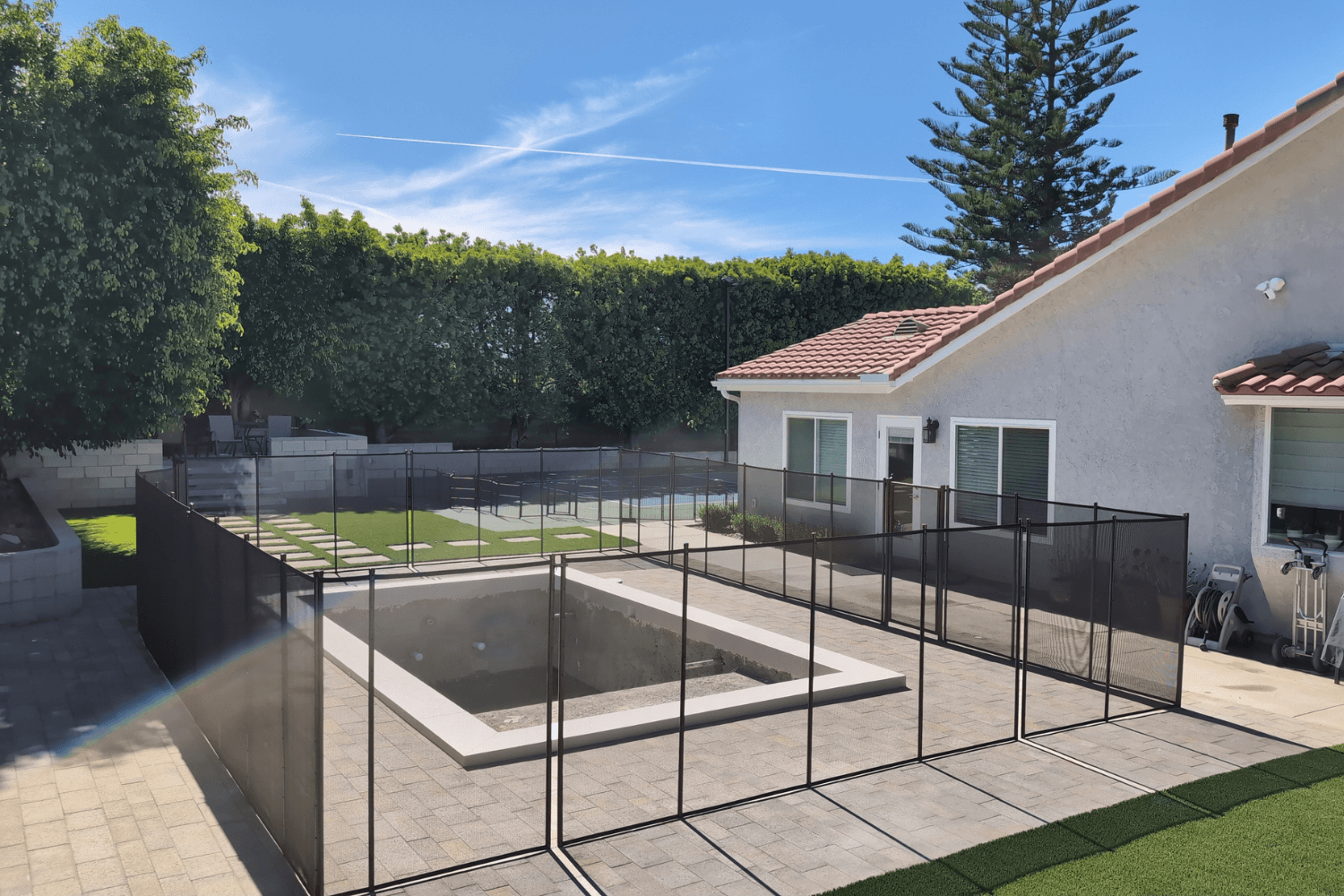
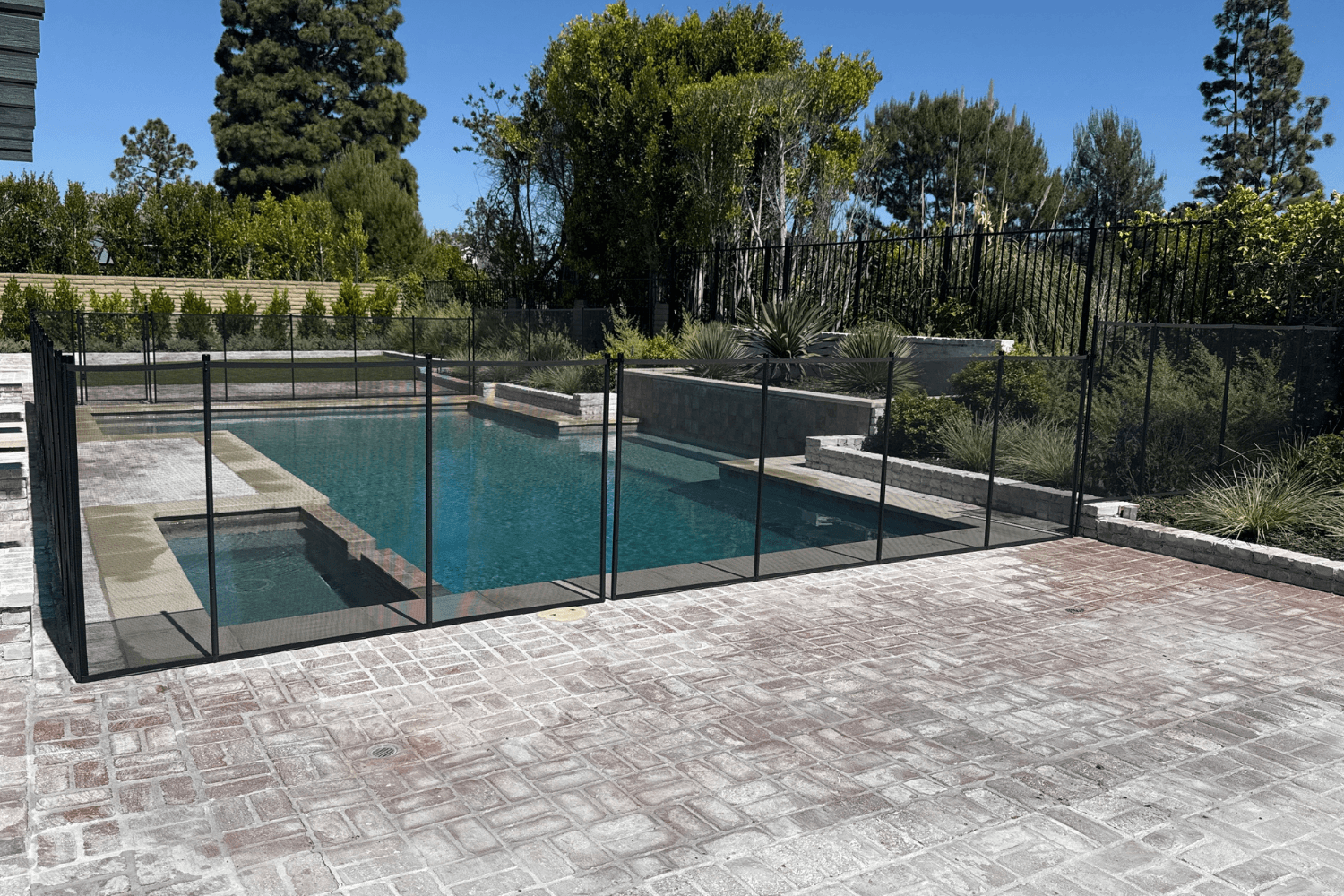
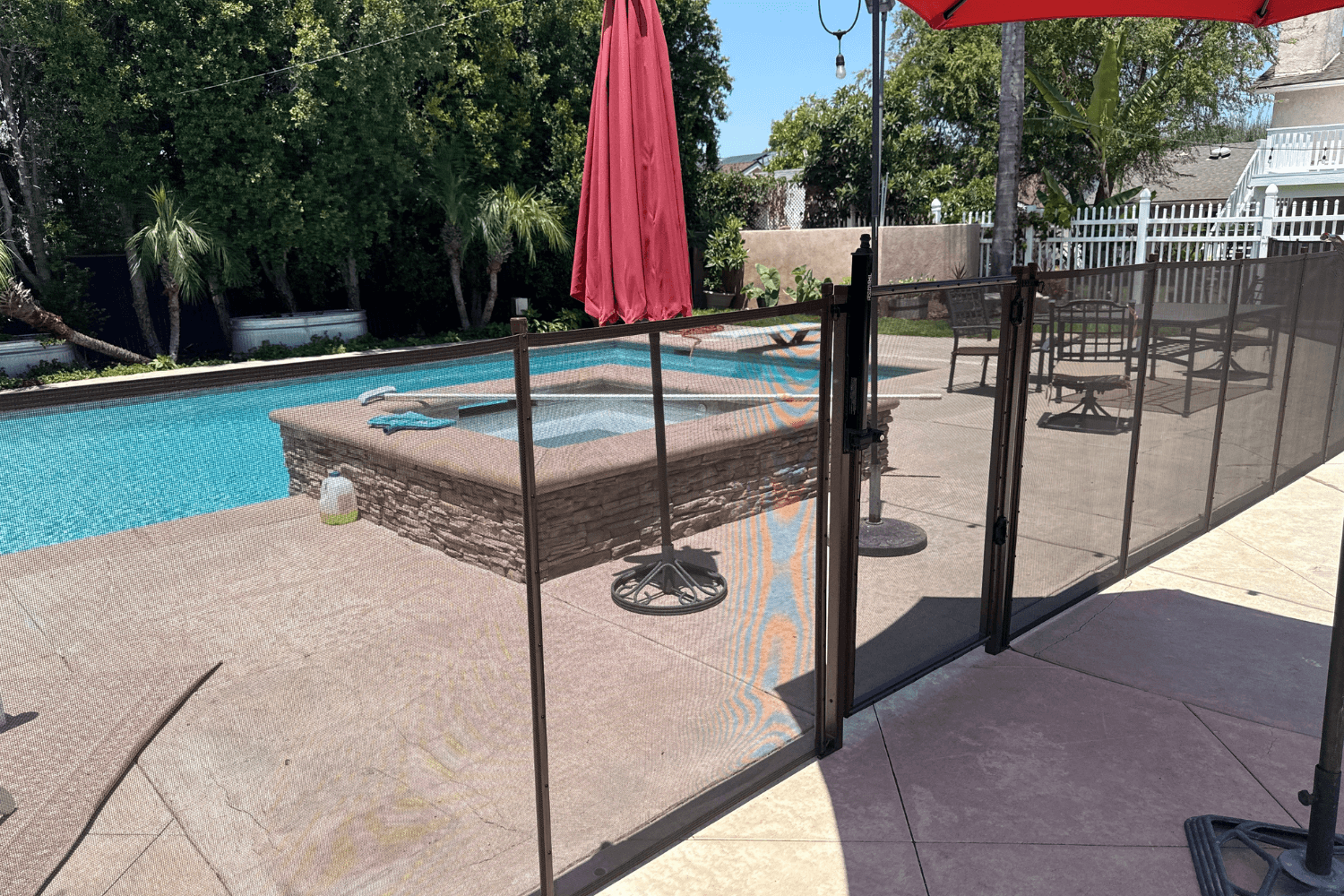
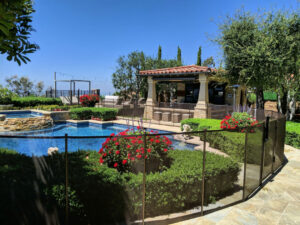
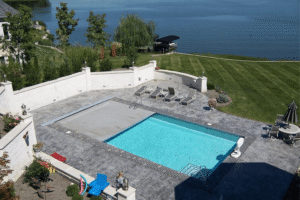
Pool Fence Planning for New Builds and Major Backyard Remodels
When you are building a new pool or taking on a major backyard remodel, it is tempting to focus on tile colors, water features, and furniture first. But some of the most important design decisions happen earlier and are far less glamorous: where the pool fence will go, how gates will work, and whether the finished layout will actually be safe and code-compliant for your family.
Planning the fence after the concrete is poured usually means compromises. Planning the fence with the pool and patio design gives you far more flexibility, and it is often the difference between “technically compliant” and “easy to live with for the next decade.”
Why Fence Planning Belongs in the Early Design Phase
Pool builders and homeowners often leave barrier decisions for the end of the project, assuming they can “add something later.” In reality, pool barrier rules are baked into many building codes and permits for new construction and large remodels.
Thinking about the fence early helps you:
Avoid unpleasant surprises at inspection time due to height, clearance, or gate issues.
Preserve the sightlines and traffic flow you care about most, instead of retrofitting around awkward steps, structures, or tight corners.
Give your builder or landscaper clear parameters so they do not place features where a fence really needs to go.
Whether you plan to hire a professional installer or handle a DIY mesh fence, early conversations about barrier placement are far easier, and cheaper, than redesigning concrete and hardscape after the fact.
Understand Basic Barrier Requirements Before You Design
Exact rules vary by state and city, but there are common themes across most residential pool barrier codes. Knowing these early will shape where your fence can go and which surfaces it can mount to.
Typical requirements include:
Minimum height (often 48 inches or more, sometimes 60 inches for new builds or certain jurisdictions).
No large gaps: small children should not be able to squeeze under, through, or between fence elements.
Non-climbable design on the outside, without convenient footholds or nearby structures that make it easy to scale.
Self-closing, self-latching gates that swing outward away from the pool, with latches mounted at proper height.
For mesh removable pool fences specifically, code-compliant systems are designed to meet these core criteria when installed to manufacturer guidelines, but layout and surface choices still matter. It is smart to confirm local requirements or talk with your builder and a fence professional before finalizing your plans.
Leave Room Between the Pool and the Fence
One of the biggest design mistakes is crowding the fence too close to the water. It might look streamlined on paper, but it is not very practical once you start using the pool.
Good planning leaves enough deck space inside the fence to:
Walk safely around the pool edge.
Help a swimmer exit the water.
Sit or stand at the edge while supervising children.
Industry guidance and many planning resources recommend installing a removable mesh fence at least around 20-24 inches from the water’s edge, and often more, so people can move comfortably between the fence and the pool. When you are designing a brand-new space, it is usually wiser to err on the side of more interior deck room rather than less.
Discuss this with your pool designer early so they do not shrink the deck so much that a safe, usable fence layout becomes difficult later.
Coordinate Fence Layout With Decking and Hardscape
Removable mesh pool fences rely on solid, stable surfaces for their anchor points and posts. It’s important to use strong decking materials and avoid sharp, unnecessary turns wherever possible.
When planning a new build or remodel, work with your builder to:
Ensure there is continuous, suitable deck surface (concrete, properly set pavers, or other compatible hardscape) along the planned fence route.
Minimize extreme dips, drains, or abrupt level changes that would create gaps under the fence or make installation awkward.
Avoid tight S-curves or back-and-forth turns in the fence path; gentle bends are usually easier to tension than sharp 90‑degree angles.
If there are areas where the fence will have to cross softer ground, your builder may need to provide concrete footings or pads at the right intervals so the future fence can anchor securely. It is far easier to pour those while other work is underway than to come back and retrofit them later.
Place Gates Where Real Life Needs Them
Gates are often treated as an afterthought, but they shape daily pool use. A poorly placed gate can make it harder to supervise children, tempt people to prop it open, or create inconvenient backtracking every time someone goes in or out.
When planning gate placement for a new build or remodel, consider:
Sightlines from the house and main seating areas. The gate should ideally be visible from where adults will spend most of their time when the pool is in use.
Main traffic paths. Place gates where people naturally walk from the house to the pool, not hidden behind furniture or landscaping.
Service access. Think about how pool service technicians, landscapers, or deliveries will reach the pool without cutting through living areas unnecessarily.
A bit of forethought here can prevent frustration later. It also supports safer habits; if using the gate feels natural, your family is more likely to keep it closed and latched when it should be.
Design With Other Structures and Features in Mind
New builds and remodels often come with exciting add‑ons: outdoor kitchens, pergolas, raised planters, sunken seating, or play areas. All of these can change how and where a fence should run.
As you review design drawings, ask yourself:
Will any built-in seating, kitchens, or bars sit so close to the future fence line that they could be used as a step to climb over?
Are there large rocks, planter boxes, or decorative walls that a child could use as a launch point up and over the barrier if the fence is too close?
Could you integrate existing solid structures (like a high wall) into the barrier in a way that still meets height and gap rules?
Designers and builders are often happy to adjust a layout slightly if you bring up these questions in the planning phase. It is much harder to address after everything is built and inspected.
Coordinate With Your Builder, But Plan for Future Flexibility
Your builder may be focused on meeting the minimum barrier requirements to pass inspection, which is important. But there are additional choices that matter for long-term flexibility, especially if you think you might modify the fence later or consider DIY changes down the road.
Good questions to consider now:
Do you want your permanent structures (walls, railings, etc.) to serve as part of the forever barrier, or would you prefer a removable fence to be the main safety component?
Are there straight runs of solid decking where a removable mesh fence could be added or reconfigured in the future if your needs change?
If you might ever shift to a DIY fence configuration, are the surfaces appropriate for safe drilling and installation?
Designing some flexibility into your layout now can make it easier to adjust as your family grows, children age, or your use of the space evolves.
Remember: Remodels Trigger Today’s Rules Too
When a project is a “major remodel,” local codes often treat it more like new construction than a simple upgrade. That can mean updated barrier requirements, new height rules, or stricter expectations for how the house and pool interact.
If you are redoing:
The pool shell
Large portions of the deck
Exterior doors and windows facing the pool
you may need to bring the entire barrier system up to current standards, not just patch what is already there. This is another reason to involve a pool fence specialist or knowledgeable dealer early in the process rather than at the end.
Bring Fence Planning Into Your Pool Project Now
A pool fence should not be an afterthought in your new build or remodel. It is a core part of how your backyard will function and how your family will stay safe around the water.
If you are in the planning stages, take a moment to browse All-Safe®’s pool fencing options and get a feel for how removable mesh fences and other safety products integrate with different backyard designs. You can also schedule an estimate from a local installer to review your plans, talk through possible fence routes, and make sure your layout will support a safe, code-conscious barrier when construction is complete. And if you anticipate handling parts of the project yourself, All-Safe®’s DIY resources and replacement parts inventory make it easier to plan a system that will work with your yard for years to come.
A sliding deck pool cover does more than protect the water. When closed, it can conceal the pool and turn its footprint into usable outdoor space for relaxing, entertaining, and everyday backyard living. Learn whether this custom solution may be right for your pool project.
A winter cover protects the water, but a pool fence controls access to the entire pool area. Learn why removable mesh fencing can still play an important role after your pool is closed, and when seasonal removal may make sense.
“Covered” can mean very different things for your pool and backyard. Learn how safety nets, leaf covers, winter safety covers, automatic covers, and sliding deck systems affect access, safety, maintenance, and how you can use the space around, and above, your pool.