Mid‑Summer Pool Safety Audit: A 15‑Minute Checklist for Busy Families
By July, most backyard pools are in full swing. The fence has been opening and closing dozens of times a day, kids and guests are coming and going, and pool toys, chairs, and towels have migrated all over the yard. It is exactly the point in the season when small issues can quietly add up to bigger safety risks if no one stops to look.
A mid‑summer pool safety audit does not need to be complicated. In about 15 minutes, you can walk through this checklist to confirm that your fence, gate, and basic safety setup are still working the way they should, and know when it is time to adjust, replace a part, or call in a professional.
Step 1 (3 minutes): Check the Pool Fence Line
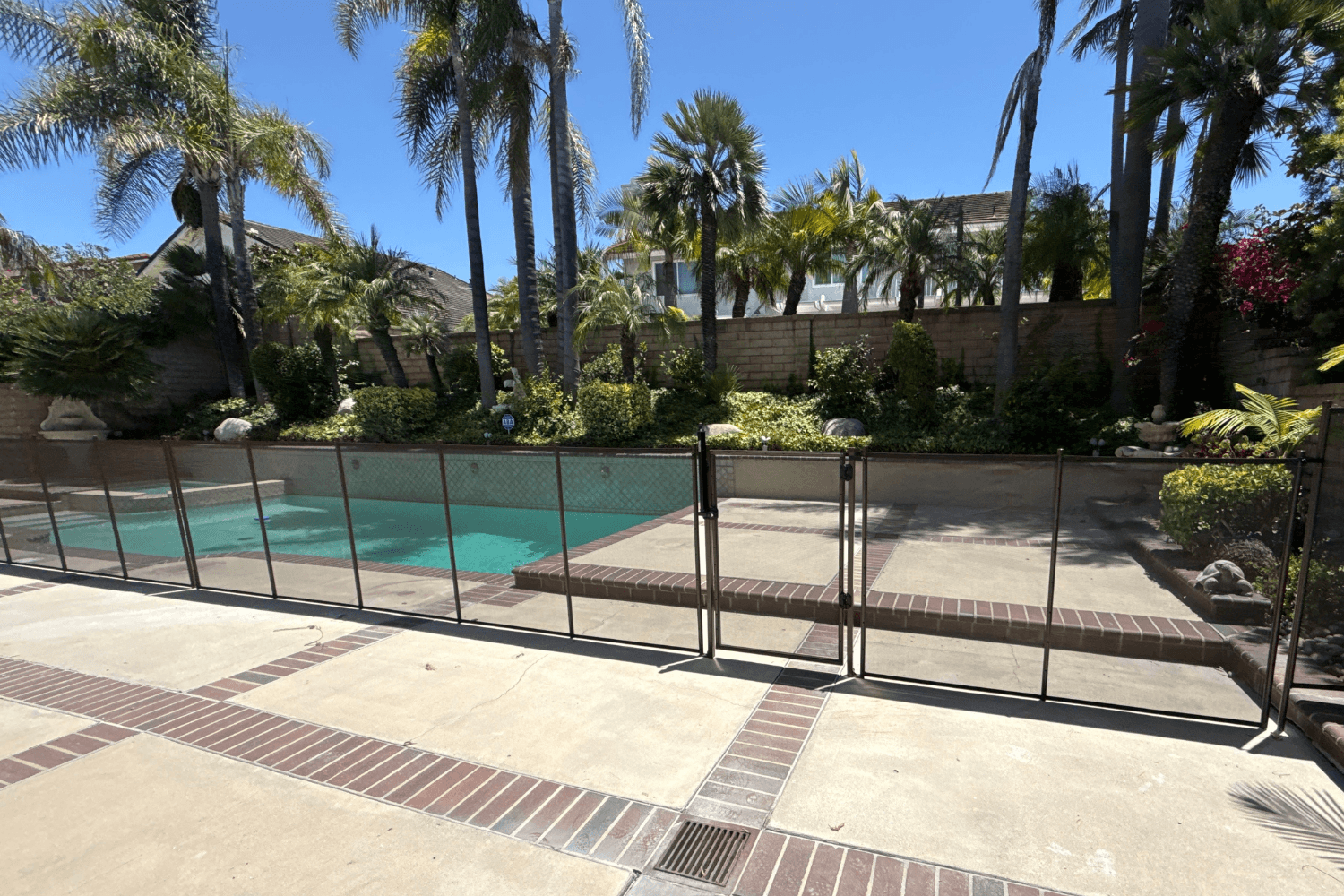
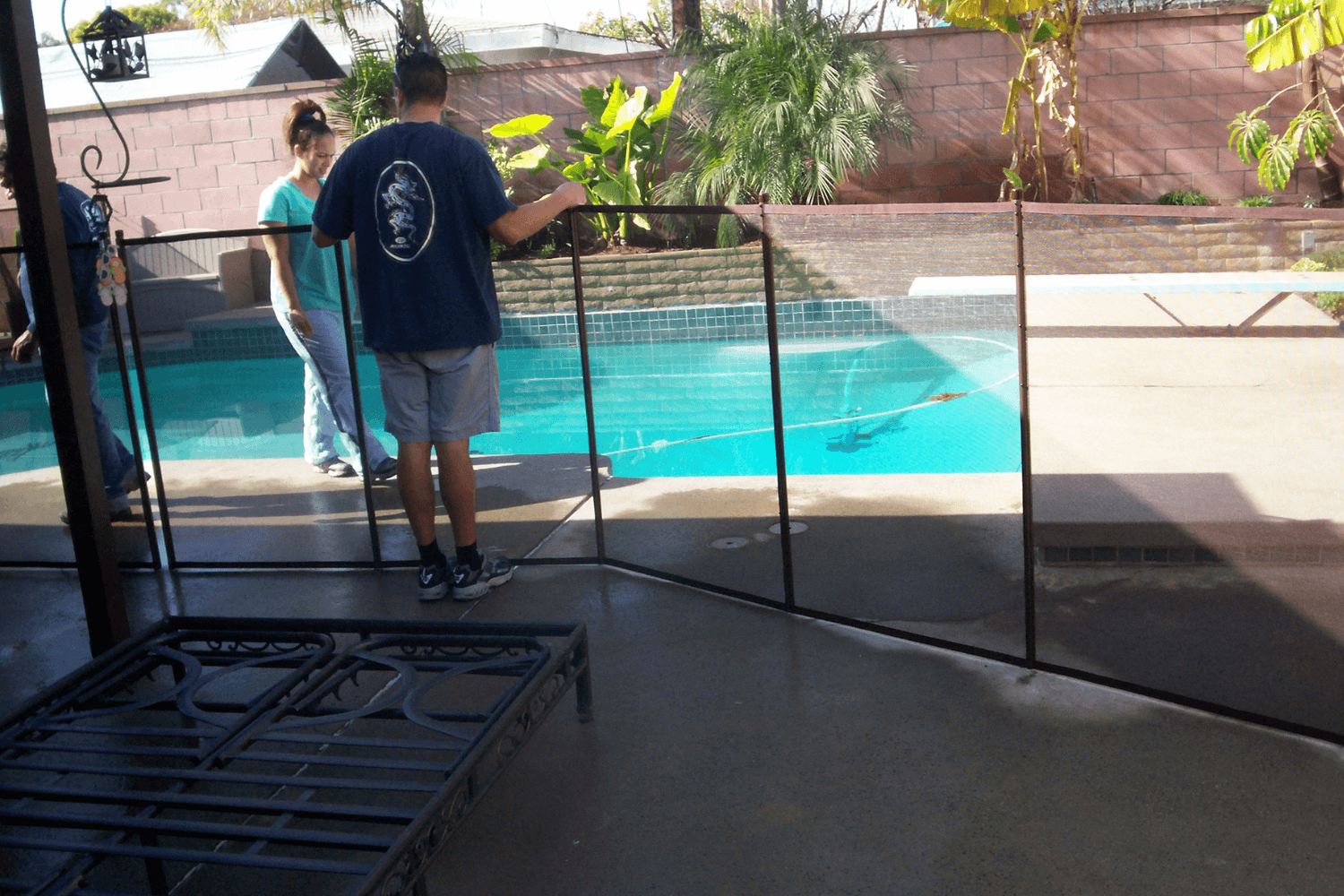
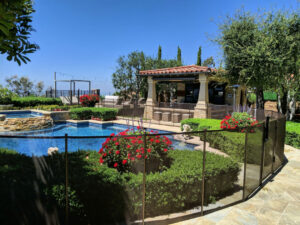
Start by walking the entire fence line around your pool. You are looking for anything that might weaken the barrier or create a gap that was not there earlier in the season.
As you walk, look for:
Loose or wobbly posts. Gently push on each post to see if it feels solid in its sleeve or base. Anything that flexes more than neighboring posts deserves a closer look.
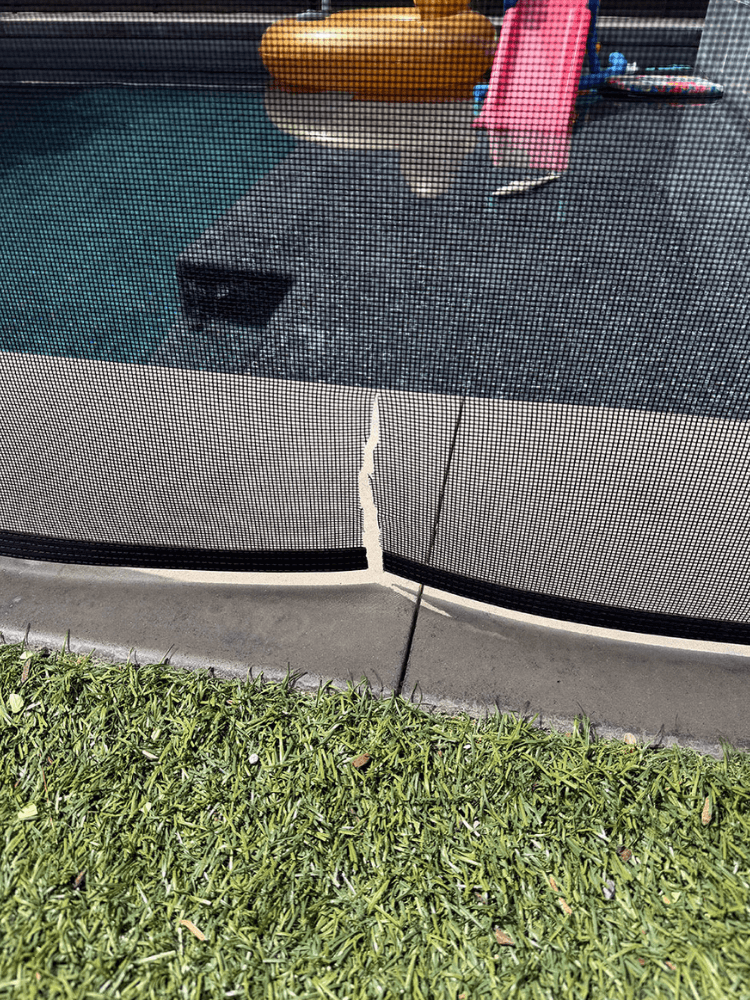
Mesh or panels with visible damage. Check for frayed sections, small tears, or mesh that is sagging more than the rest of the fence.
Gaps at the bottom. Make sure there are no spots where the fence has lifted away from the deck enough for a child or pet to push underneath.
If you notice anything that feels “off,” make a quick note or take a photo. Many small issues can be handled with simple hardware tightening or replacement parts before they become serious problems.
Step 2 (3 minutes): Test the Gate Like an Inspector
Your pool gate is the most frequently used and most important moving part in the entire system. Mid‑season is a good time to test it the way a safety inspector, or a determined toddler, might.
Run these quick checks:
Self‑closing test. Open the gate a few inches and let go. Then try again from halfway open, and again from fully open. Each time, it should close and latch on its own without a push.
Latch test. Make sure the latch engages fully and cannot be easily shaken open from the outside. Confirm it is still mounted at an appropriate height above the ground, in line with local code.
Obstruction check. Look for items that might block the gate from closing all the way; planters, toys, or furniture that have drifted into the swing path.
If the gate sticks, slams, or fails to latch consistently, that is not just an annoyance, it is a sign something needs adjustment or repair. Often, tightening hinge hardware, lubricating moving parts, or replacing worn latches restores reliable operation.
Step 3 (3 minutes): Clear Climbing Hazards and Clutter
Over the course of the summer, backyards naturally collect more “stuff”: chairs, side tables, storage boxes, potted plants, and piles of pool toys. Some of that clutter can quietly turn into a way around or over your fence.
Do a quick sweep around the outside of the fence and look for:
Furniture near the fence line. Move chairs, tables, storage bins, or coolers away from the barrier so they cannot be used as steps.
Stacked objects and toys. Put away stacked floats, buckets, or boxes that could create an easy climbing path.
Overhanging branches or structures. If tree limbs or hanging decor now extend over the fence, consider trimming or repositioning them so they do not invite climbing.
Clearing these hazards often takes just a few minutes, but it makes your fence much harder to bypass; especially for curious kids who see the backyard as a climbing challenge.
Step 4 (3 minutes): Confirm Rules, Alarms, and Safety Gear
A strong fence is essential, but it is only one part of a safe backyard. Mid‑summer is a good time to briefly check the other layers that support your barrier.
Run through these quick points:
Alarms and alerts. If you use door, gate, or pool alarms, test them to make sure they still trigger and that batteries or power sources are in good shape.
Rescue equipment. Confirm that any reaching poles, ring buoys, or life hooks are still in their designated place and not buried behind furniture or toys.
House rules refresh. Take a moment to remind family members (especially kids) of key rules: no swimming without an adult, keep the gate closed and latched, no propping the gate open, and no running or pushing near the water.
If you rent out your home or host frequent guests, consider updating any posted rule signs near the pool so they are still readable and reflect your current expectations.
Step 5 (3 minutes): Decide What Needs a Fix, a Part, or a Pro
Once you have walked the fence line, tested the gate, cleared hazards, and checked your support layers, you can quickly sort any issues into three simple buckets: a quick fix, a parts order, or a professional visit.
Use this guide:
Quick fixes:
Moving furniture or toys away from the fence.
Tightening an accessible screw or hinge.
Removing debris that was blocking the gate.
Parts worth ordering:
Missing or cracked caps and sleeves.
A latch that no longer works smoothly, even after cleaning and basic adjustment.
A single worn section of mesh or a hardware kit for a frequently used gate.
Time to call a pro:
Multiple wobbly posts or sections that do not feel secure.
A gate that refuses to self‑close and latch reliably, even after basic tweaks.
Visible damage that affects more than one section of the fence, or complex issues on stairs, slopes, or special surfaces.
This simple triage keeps you from ignoring problems, but also from overreacting to small annoyances that a part or minor adjustment can solve.
Why a Mid‑Summer Audit Matters
Many drowning and near‑drowning incidents happen when adults assume the usual protections are in place, only to discover a gate did not latch, a fence section was left open, or toys and furniture created an unintended path to the water. Mid‑season is exactly when those weak spots start to show up.
Taking 15 minutes now to confirm that your fence, gate, and basic safety layers are still working gives you more confidence for the rest of the season, especially during the busiest weeks when friends are visiting, routines are looser, and distractions are plenty.
Next Steps: Strengthen Your Setup for the Rest of the Season
If your mid‑summer audit turned up small issues, this is the perfect time to address them before something more serious happens. For simple fixes, consider browsing All‑Safe’s selection of manufacturer‑approved replacement parts, including mesh sections, posts, gate hardware, sleeves, and caps, so you can refresh worn pieces without replacing the entire fence.
If you discovered bigger concerns, such as a gate that no longer self‑closes, multiple unstable sections, or a layout that no longer fits your family’s needs, schedule an estimate with a local All‑Safe installer to review your setup and talk through repair or upgrade options. And if this audit made you realize you still do not have a dedicated barrier around your pool, take a few minutes to explore All‑Safe’s full range of pool fences, nets, covers, and safety solutions so you can choose the protection that fits your backyard and your routine.
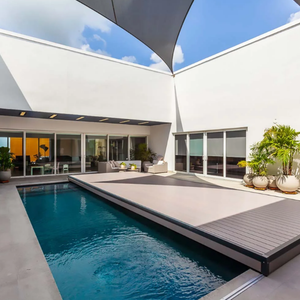
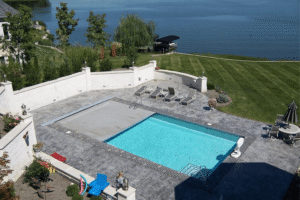
A sliding deck pool cover does more than protect the water. When closed, it can conceal the pool and turn its footprint into usable outdoor space for relaxing, entertaining, and everyday backyard living. Learn whether this custom solution may be right for your pool project.
A winter cover protects the water, but a pool fence controls access to the entire pool area. Learn why removable mesh fencing can still play an important role after your pool is closed, and when seasonal removal may make sense.
“Covered” can mean very different things for your pool and backyard. Learn how safety nets, leaf covers, winter safety covers, automatic covers, and sliding deck systems affect access, safety, maintenance, and how you can use the space around, and above, your pool.