How Families Really Use Their Pools Now (and What That Means for Pool Fence Design in 2026)
Backyard pools do not look much different than they did a decade ago, but the way families use them has changed a lot. More households are using pools as all‑day living spaces, fitness zones, work‑from‑home backdrops, and social hubs, not just as a weekend treat for the kids.
Those shifts are good news for making the most of your investment, but they also change what “good pool safety” really means. A fence and gate that worked fine when you swam once a week might not be as effective when people are walking in and out of the backyard all day, guests are visiting more often, and the pool season is stretching longer into spring and fall.
Today we’ll look at how families are actually using pools in 2026, and what that should change about how you design, place, and maintain your pool fence and safety barriers.
1. The Backyard Is Now an All‑Day Living Space, Not Just a Swim Zone
For many families, the backyard has become an extension of the living room and home office. Parents take work calls on the patio, kids move in and out with snacks and devices, and the pool is just one feature in a busy, multi‑use space rather than the single focus.
That change matters because most drowning‑prevention groups still see distraction, not lack of love or concern, as a major factor in incidents. A quick email check, a phone call, or a delivery at the front door can easily become the exact moment a child slips through an unlatched gate or door.
What This Means For Your Fence and Gate
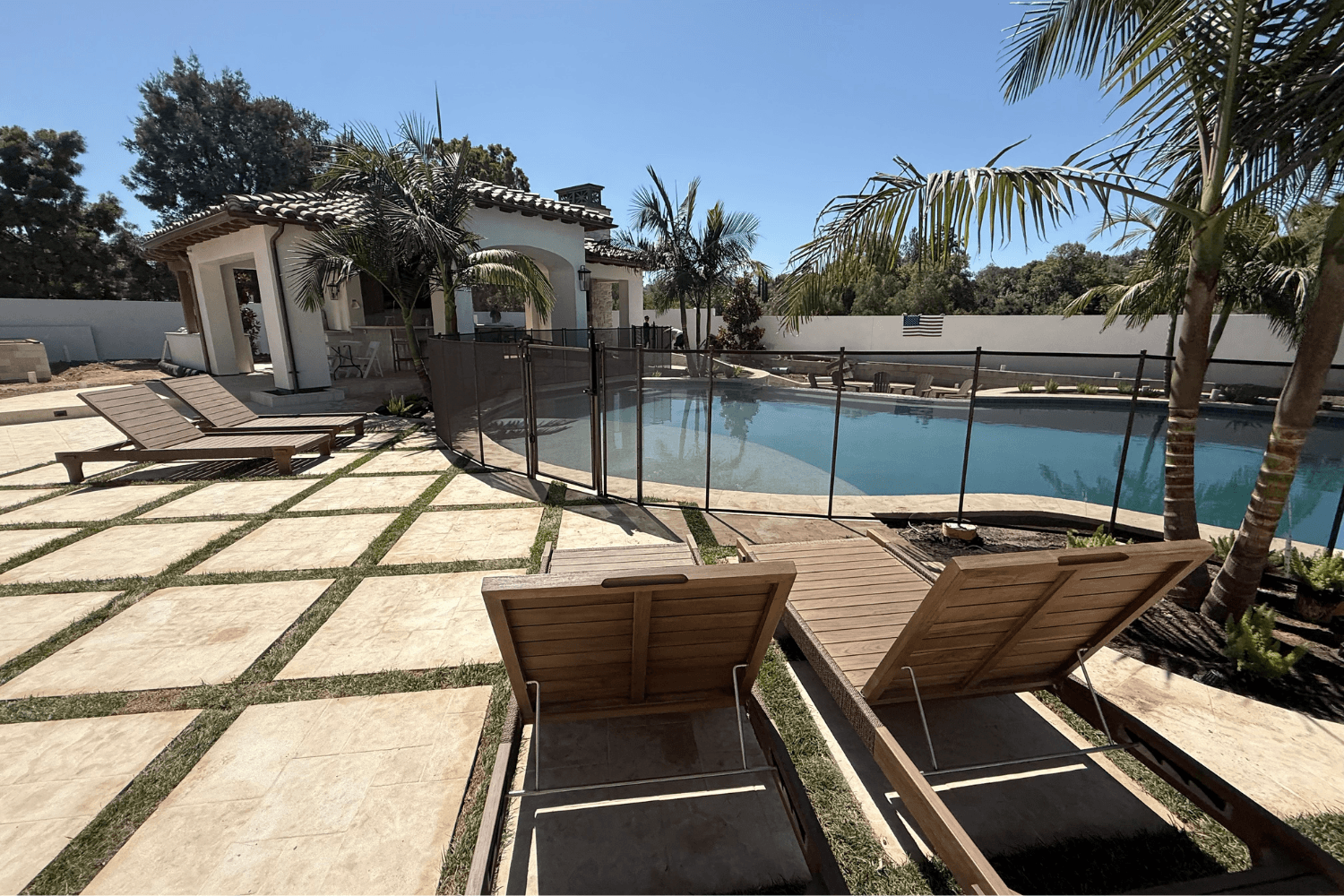
Fence placement should assume multitasking. A four‑sided pool fence that fully surrounds the water is more forgiving when adults are doing more than one thing at a time in the yard. It creates a default “no access” zone unless someone intentionally opens a gate.
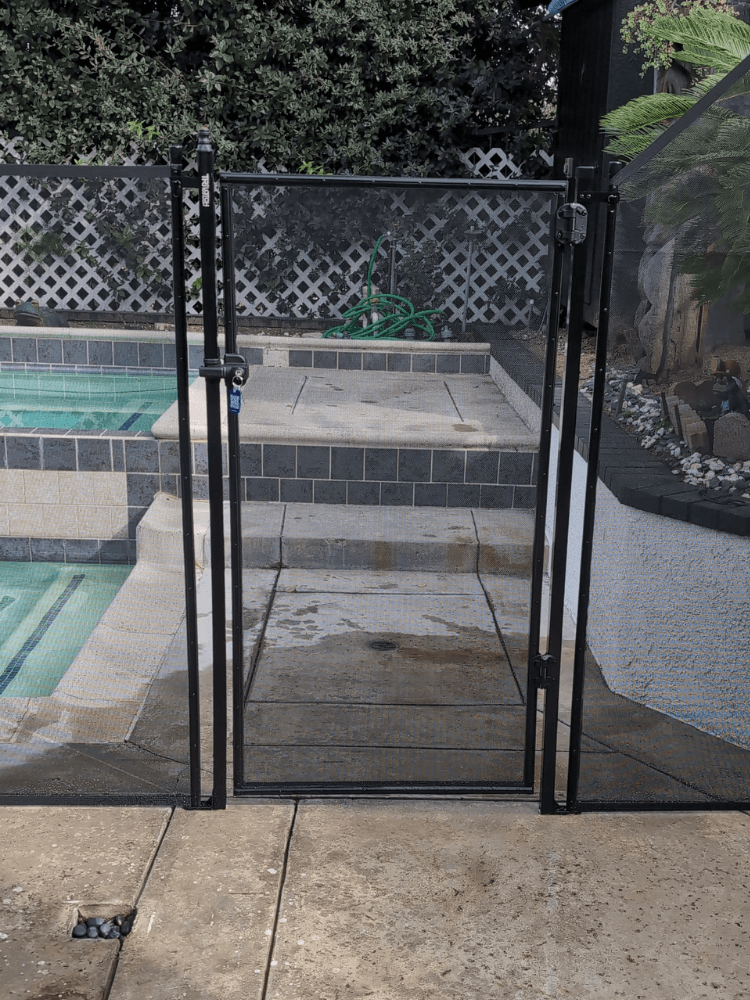
Gate location should follow real traffic patterns. If the gate is tucked in a corner, people are more likely to prop it open to avoid walking the long way around. Placing the self‑closing gate where adults naturally move between the house, seating, and grill makes it easier to keep it closed without thinking about it.
Everyday furniture choices can’t ignore climbability. When the backyard becomes an outdoor office or lounge, chairs, outdoor sofas, and storage boxes tend to migrate toward the fence. That can quietly create “steps” that make it easier to climb over the barrier, which is why keeping a clear zone around the fence line is more important in multi‑use yards.
If your pool fence layout was designed around occasional weekend swim time, it may not reflect how your family actually moves through the backyard now. A mid‑season look at where people sit, walk, and work can reveal small adjustments that make the barrier work better in real life.
2. Pools Are Also Fitness, Therapy, and “Me Time” Spaces for Adults
Another big change is how many adults now use backyard pools for lap swimming, exercise, and aquatic therapy, often at different times than kids use the pool. Industry guides and homeowner surveys show a growing focus on low‑impact workouts and at‑home wellness, and pools are a major part of that trend.
When adults swim early in the morning, late at night, or during lunch breaks, they may open the pool at times when family routines are looser and kids are not “officially” in swim mode. That can create blind spots if the safety plan assumes that whenever the pool is open, everyone is focused on swimming together.
What This Means For Your Fence and Safety Layers
Your default state should still be “fenced and closed.” A removable mesh pool fence with a self‑closing gate allows adults to pass in and out easily for solo exercise while keeping the pool area isolated from the rest of the yard the rest of the day. This approach reduces the temptation to leave a cover off or a temporary barrier open between workouts.
Lighting and hardware matter more for adult‑only swims. For early‑morning or evening use, good lighting near the gate and along pathways helps adults see latches clearly and confirm the gate closes securely behind them. Sturdy, easy‑to‑operate latching hardware is also key when hands are wet or when adults are carrying towels and gear.
Accessibility features need to be designed with safety in mind. Rails, therapy steps, and lifts can be essential for older adults or anyone using the pool for rehab, but they should be integrated in a way that does not create a climbable route over or around the fence. That may mean coordinating barrier design closely with your pool builder or installer.
If your pool has taken on a new role as a daily wellness space, it is worth asking whether the fence and gate still reflect that reality, or if they are set up for a world where adults and kids only swam together on weekends.
3. More Guests and Short‑Stays Mean More People Who Don’t Know Your Yard
Short‑term rentals, visiting family, neighborhood playdates, and multi‑generational gatherings all mean more people using pools they are not familiar with. Safety campaigns are increasingly focused on these scenarios, because guests and children who do not know the layout are at higher risk of underestimating depth, missing hazards, or not understanding how barriers work.
This is not just an issue for formal vacation rentals. Even in a primary residence, visiting cousins, friends, or grandparents may not know that one sliding door opens directly to the pool, or that the shallow area ends abruptly at a deep drop‑off.
What This Means For Your Fence and Backyard Design
Visitors should “meet” the fence before they meet the pool. If a door or path leads straight to the water without encountering a gate first, that is a design red flag. Re‑thinking the fence line so every obvious route from the house to the pool passes through a self‑closing, self‑latching gate can make the space more forgiving for visitors who do not know the terrain.
Gate locations should match what makes sense to a new arrival. A gate hidden behind landscaping might look clean on a plan, but guests are more likely to walk toward the most visually open area. Placing the gate where sightlines from the house naturally lead, often near main patio doors or seating, reduces confusion and discourages people from trying to step around sections of fence.
Rules and cues need to be visible, not just verbal. Even a well‑designed fence benefits from clear, simple signage that reminds guests to keep the gate latched, supervise children, and avoid propping the barrier open. Rental‑focused safety resources increasingly recommend written rules at the property, not just in online listings or emails.
If your yard hosts people who do not live there full‑time, designing your fence and paths with “a first‑time visitor” in mind can make a meaningful difference in how safe the space feels and functions.
4. Longer Seasons and Stronger Storms Are Stress‑Testing Pool Barriers
Climate and weather patterns are changing how often and how long pools are used in many parts of the country. Homeowners in some regions now open pools earlier in spring and keep them active later into fall, while also dealing with more frequent storms, heavier rain, and stronger winds.
Those shifts matter for safety equipment, because fences, nets, and covers are being exposed to more use, more debris, and more extreme conditions over the course of a year. A barrier system designed for a short, predictable season may not hold up the same way when the pool is in play for months longer.
What This Means For Your Fence, Nets, and Covers
Storm prep should include your fence and gate. When a storm is forecast, many homeowners think about securing furniture and checking pumps, but not about fence stability. High winds, flying debris, and saturated soil can stress fence posts, loosen hardware, and affect how gates close and latch, which is why post‑storm checks are becoming more important.
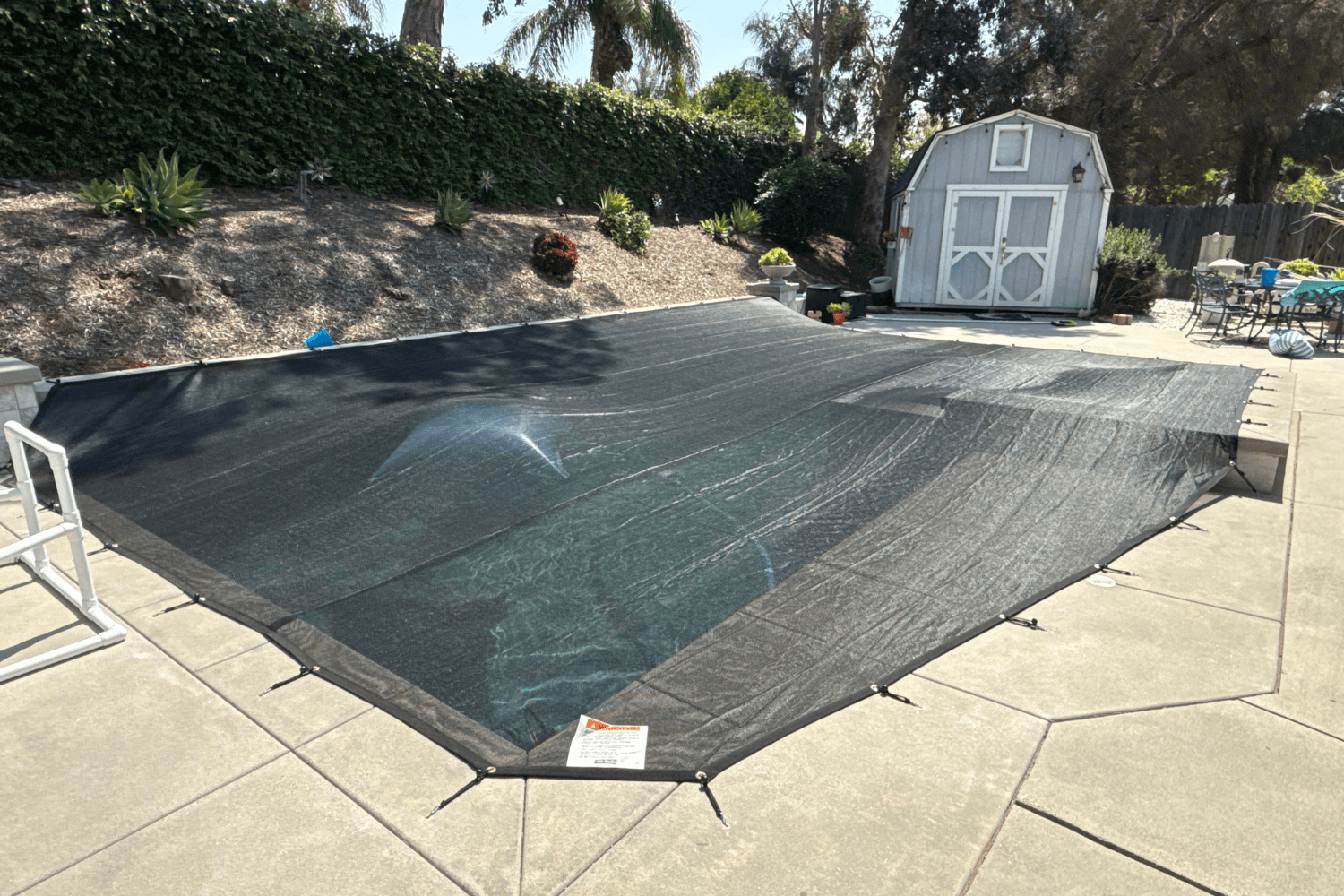
Covers and leaf nets now do double duty. In some regions, safety covers and leaf nets are being used more often throughout the year, not just in a traditional off‑season. That can mean more wear and tear on anchors, tensioning systems, and attachment points, all of which need to be monitored so they do not become weak links in your barrier setup.
Longer usage windows mean fewer “safe months” by default. If your family is swimming well into fall or opening the pool as soon as temperatures rise, the idea of a true off‑season where you can relax about barriers is fading. Mesh pool fences and other year‑round physical barriers are better suited to this reality than solutions that assume months of inactivity.
A fence that feels rock‑solid when installed can shift subtly under months of weather stress, which is why regular inspections and occasional hardware or parts upgrades are a smart response to changing climate patterns rather than an overreaction.
5. What to Rethink If Your Fence Was Designed for “Old” Pool Habits
If your pool fence and safety plan were set up years ago, they may still be based on assumptions that no longer match how you actually live:
Kids only swim when an adult is in the water with them.
The pool is used mostly on weekends.
People rarely work or entertain near the pool without swimming.
Guests are occasional and always well briefed.
For many families, none of those are fully true anymore. That does not mean your current setup is unsafe, but it does mean it is worth asking whether it still reflects your real routines.
A Few Questions to Start With:
Do people walk from the house to outdoor living spaces without passing through a gate?
Are there times when the pool is open but you are doing something else in the yard?
Have you added features (like outdoor kitchens, seating walls, or play structures) that change how close people and kids can get to the fence or water?
If the honest answers do not line up with how your fence and barriers were originally planned, that is a sign it might be time for a refresh, whether that means adjusting the fence line, upgrading gate hardware, adding a secondary layer like a net or cover, or simply tightening up routines and inspections.
Next Steps: Align Your Fence With How You Actually Use Your Pool
Modern pool safety is not just about checking a box on height or hardware. It is about making sure your fence, gates, and layers of protection match the way your family and guests really use the backyard in 2026.
If reading this made you realize your habits have evolved faster than your safety plan, consider:
Reviewing your current fence layout and gate placement with these usage patterns in mind.
Scheduling a visit from a pool safety professional to talk through redesign options, hardware upgrades, or added layers like nets and covers.
Building simple seasonal routines, like a mid‑summer fence audit and post‑storm checks, into how you care for your pool and backyard.
A removable mesh pool fence, backed by thoughtful design and modern habits, can adapt as your family’s use of the pool continues to evolve. The key is making sure the way the fence works on paper still lines up with the way you actually live around the water now.
A sliding deck pool cover does more than protect the water. When closed, it can conceal the pool and turn its footprint into usable outdoor space for relaxing, entertaining, and everyday backyard living. Learn whether this custom solution may be right for your pool project.
A winter cover protects the water, but a pool fence controls access to the entire pool area. Learn why removable mesh fencing can still play an important role after your pool is closed, and when seasonal removal may make sense.
“Covered” can mean very different things for your pool and backyard. Learn how safety nets, leaf covers, winter safety covers, automatic covers, and sliding deck systems affect access, safety, maintenance, and how you can use the space around, and above, your pool.