Extending the Life of Your Pool Fence: Maintenance Habits That Actually Matter
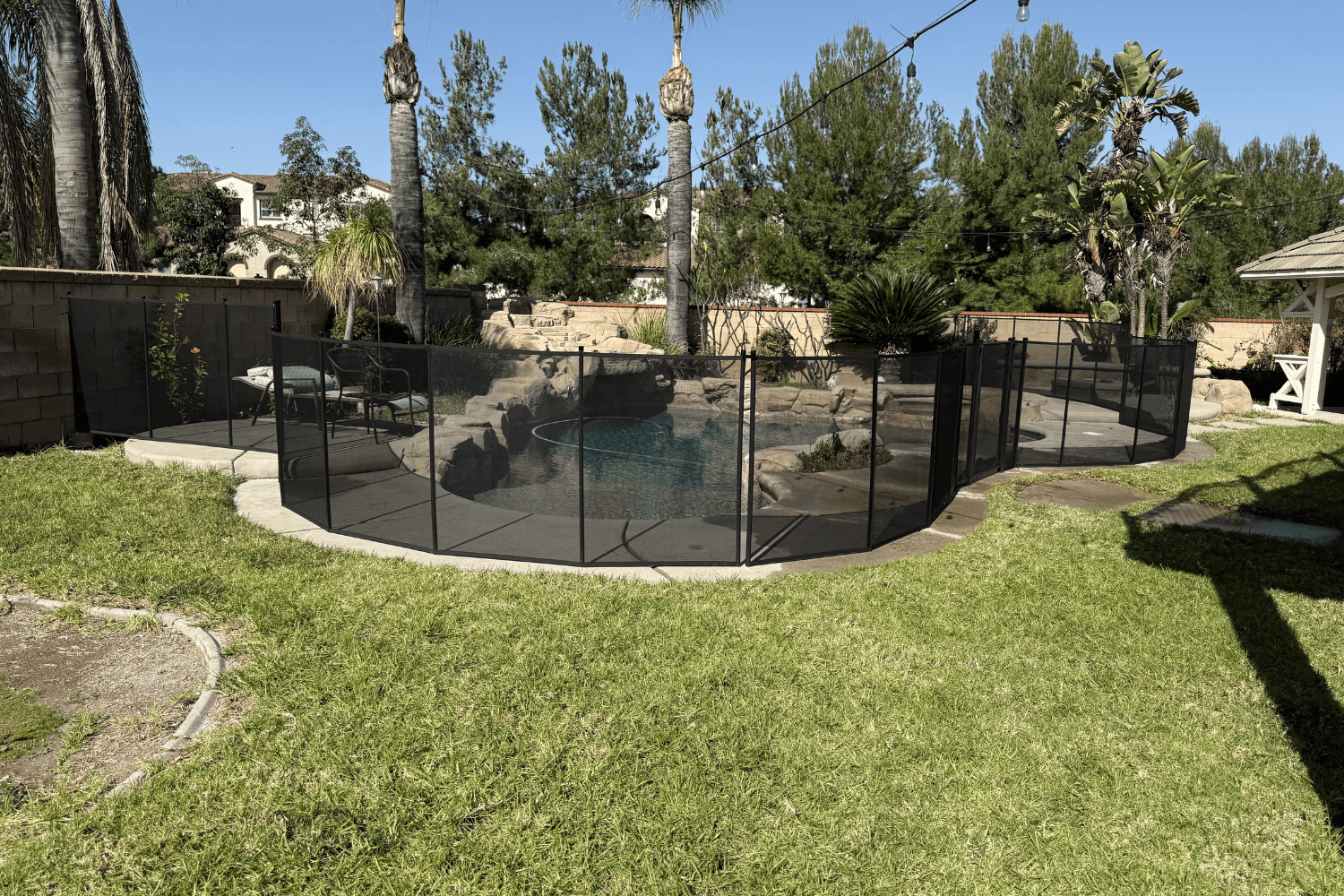
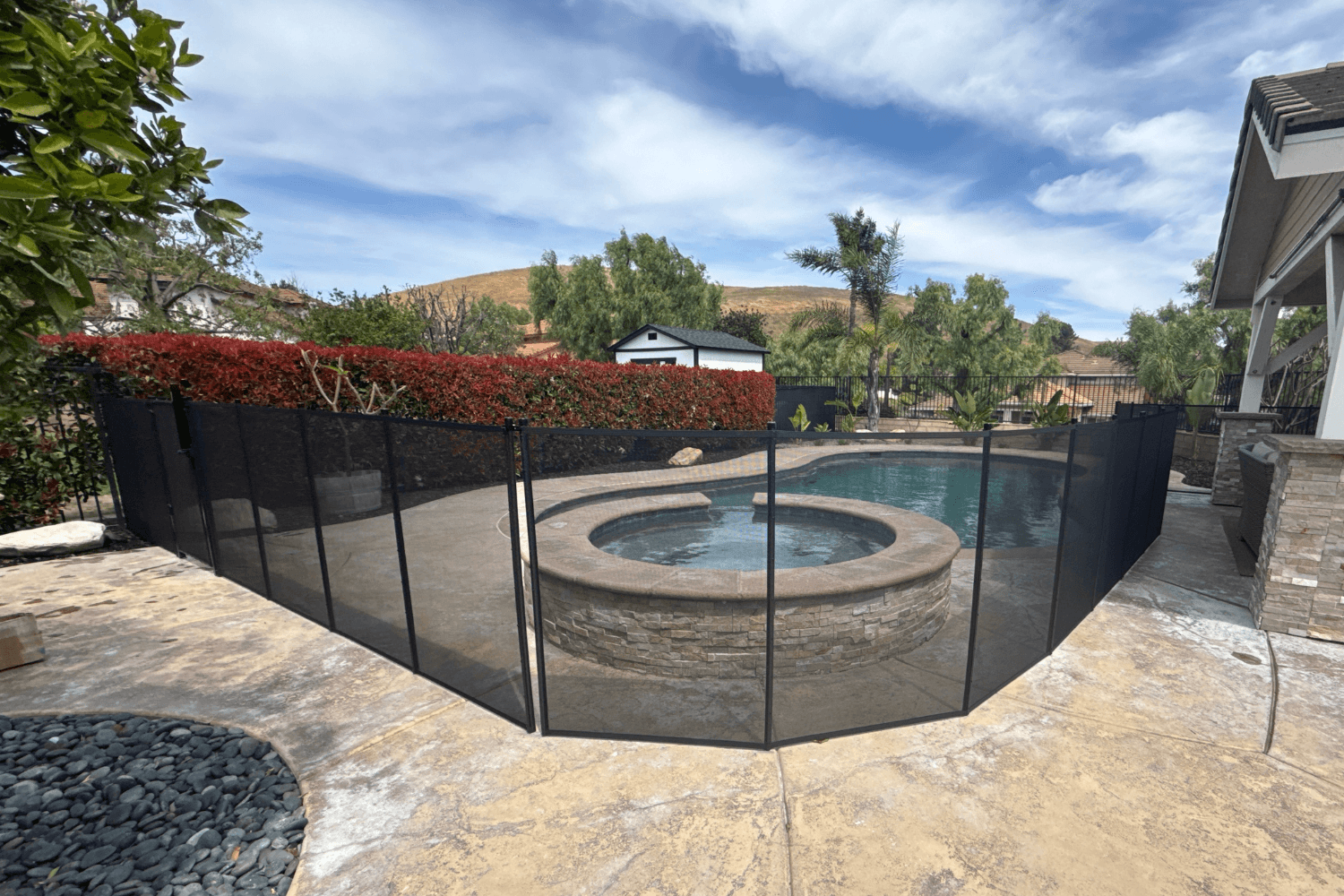
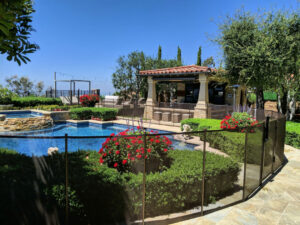
A removable mesh pool fence is one of the most important safety features in any backyard with a pool; but like any outdoor system, it is constantly exposed to sun, water, chemicals, wind, and everyday wear. Over time, that exposure can shorten the life of the fence if it is never cleaned, checked, or adjusted.
The good news is that you do not need complicated routines or specialized equipment to keep your fence in good shape. A few simple habits, done consistently, go a long way toward protecting both the fence and the people it is meant to protect.
Why Fence Maintenance Matters for Safety and Longevity
Most homeowners think of pool fence maintenance as a cosmetic chore; keeping the fence from looking dirty or worn. In reality, basic care has three big benefits.
It helps the fence do its job as a barrier by catching small problems like loosening posts or a slow gate before they turn into safety issues.
It extends the life of the materials, especially mesh and hardware that face constant UV, moisture, and chemical exposure.
It keeps the fence looking like a quality feature instead of an eyesore, which matters if you ever plan to sell or rent the home.
A simple rhythm of cleaning, inspecting, and making small fixes is more powerful than an occasional big overhaul.
Habit 1: Clean the Mesh and Posts the Right Way
The most visible part of your pool fence is the mesh and the posts that support it. Dirt, pollen, and chemical residue from pool water slowly build up and can shorten the life of the fence if they are never removed.
How Often to Clean
In high‑pollen or dusty areas, plan a light cleaning every few months during swim season. At minimum, aim for a thorough cleaning at least once a year to remove buildup. This does not have to be a major project; most of the time, a quick rinse and gentle wipe-down is enough.
What to Use (And What to Avoid)
Use a mild solution such as diluted soap and water, or an appropriate light cleaner that is safe around pools and landscaping.
Apply with a soft cloth, sponge, or mop, using light pressure.
Rinse with a garden hose, avoiding high‑pressure settings that can force water into seams or damage the mesh.
Avoid:
Bleach or other harsh chemicals that can weaken mesh fibers or discolor materials.
Coarse brushes or abrasive cleaning pads that can fray mesh or scratch posts.
Pressure washers aimed close to the fence, which may damage material or hardware over time.
Cleaning is not just about looks; it gives you a good excuse to move to the next important habit: inspecting as you go.
Habit 2: Inspect the Fence Line and Gate Regularly
A pool fence should not be a “set it and forget it” feature. Regular, quick inspections help ensure everything is still working the way it did on day one.
Walk the Fence Line
A few times per season, especially after storms, big pool parties, or long periods of heavy use, walk the full length of the fence and look for:
Mesh with tears, fraying, or pulled stitching near the bottom or at high‑tension points.
Bent or wobbly posts, or posts that feel less solid than the others.
Loose, missing, or corroded screws, brackets, or fasteners.
Any gaps at the bottom where a child or small pet could try to push through.
Mark anything that looks questionable, even if it seems minor. It is much easier to address a small issue now than a large one later.
Test The Gate Thoroughly
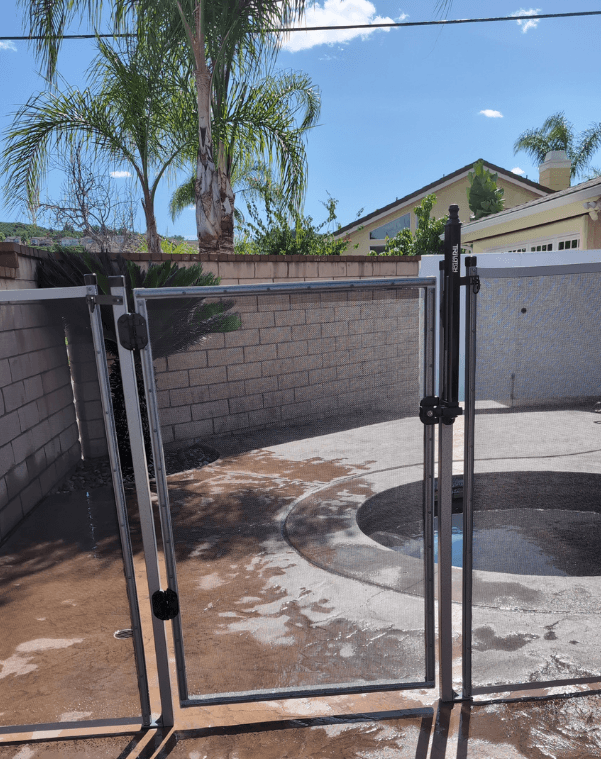
Your gate is the most used and most critical part of the fence. Many safety organizations emphasize the need for a self‑closing, self‑latching gate that functions properly every time.
When you test the gate:
Open it and let it go from several positions; it should close and latch on its own without help.
Check for dragging, sticking, or bouncing, which may indicate misalignment or hinge issues.
Make sure the latch is secure and mounted out of reach of small children, in line with local safety guidelines.
If the gate fails the “let-go” test or the latch does not feel reliable, that is a priority fix. A fence is only as safe as its easiest entry point.
Habit 3: Tighten, Adjust, and Replace Small Parts Early
Many fence problems start as slightly loose screws, minor hardware wear, or small mesh issues. Addressing these early is one of the most effective ways to extend the life of the entire system.
Tighten and Lubricate Moving Parts
Once or twice a season:
Tighten visible screws and brackets on posts, hinges, and latch hardware.
Add a light, appropriate lubricant to hinges and moving parts so the gate continues to open and close smoothly.
This routine helps prevent gradual sagging, squeaks, or misalignment that put extra stress on components and can shorten their life.
Replace Small Components Before They Fail
All-Safe® offers a range of replacement parts for fences, including mesh, posts, gate hardware, caps, and related accessories. Swapping small parts when they first show wear is often cheaper and more effective than waiting for a bigger failure.
Good candidates for early replacement include:
Deck caps or sleeves that are cracked, missing, or not fitting snugly.
Gate latches that no longer catch cleanly even after adjustment.
Single sections of mesh or a damaged post rather than waiting until multiple panels are affected.
Treat small replacement parts as inexpensive “insurance” that protects the larger system from accelerated wear.
Habit 4: Store Removable Fence Sections Properly
If you occasionally remove your fence (for example, during an event or off‑season), how you store those sections matters just as much as how you clean them. All-Safe®’s own maintenance guidance highlights a few important storage practices.
Protect Against Dirt, Moisture, and Pests
When storing fence sections:
Make sure they are clean and dry before rolling or stacking.
Store them in a clean, rodent‑free environment, since rodents can chew mesh material and cause hidden damage.
Consider using a dedicated, covered container (even something as simple as a clean trash can) to protect rolled fence sections from dust and pests.
Proper storage prevents avoidable damage and makes it easier to reinstall the fence quickly when you need it again.
Make Reinstallation Simple
Before taking your fence down:
Label sections in sequence so you can easily put them back in the right order.
Snap a quick video or photos of your current layout for reference later.
These habits save time and frustration when the fence goes back up, and they reduce the risk of forcing sections into the wrong positions.
Habit 5: Keep the Area Around the Fence Clear
What happens outside the fence line affects your fence just as much as what happens on it. Clutter, furniture, and landscaping can all add wear or even create safety issues.
Keep planters, furniture, and toys away from the fence, so they cannot be used as steps or climbing aids.
Avoid leaning heavy items against the mesh or posts, which can stress the system over time.
After storms or heavy winds, clear leaves and debris so moisture does not stay trapped at the base of posts or on mesh for long periods.
A clear fence line is not just tidier; it helps your fence last longer and remain effective as a barrier.
When Maintenance Is Not Enough: Repair or Replace?
Even with good habits, every fence eventually reaches a point where maintenance alone is not enough. Knowing when to repair and when to replace is part of protecting both safety and your investment.
When a Repair Makes Sense
Repairs are usually appropriate when:
Damage is localized: one section of mesh, a single post, or one latch.
The overall fence is still solid and the gate functions properly after minor adjustments.
The issue can be fully addressed with manufacturer-approved parts such as replacement mesh, posts, or hardware.
In these cases, All-Safe®’s replacement parts catalog allows you to swap individual components while keeping the rest of the system in service.
Signs It May Be Time For a Bigger Upgrade
Consider a larger repair or full upgrade if you notice:
Multiple sections of mesh with tears, stretching, or significant fading.
Posts that lean or feel unstable even after tightening or small adjustments.
A gate that cannot reliably self‑close and latch despite hinge and latch adjustments.
At that stage, upgrading to new sections, posts, or even a new fence system may be the safer, more cost‑effective long‑term choice.
A Simple Seasonal Maintenance Rhythm
To keep things easy, think of your pool fence maintenance in seasons instead of as a long list.
Spring: Clean off pollen and winter residue; inspect mesh and posts as you go.
Summer: Check gate operation regularly during heavy use; tighten hardware if needed.
Fall: Clear leaves and debris around posts; clean mesh to remove sap and dirt.
Winter (where applicable): Watch for shifting from freeze-thaw cycles and keep stored sections dry and protected.
This rhythm keeps your fence on your radar without requiring constant attention.
Protect Your Fence and Your Investment
A well‑maintained pool fence does more than look good; it works reliably when it matters most, and it lasts longer before you need major repairs or replacement. A little cleaning, regular inspection, and timely attention to small parts are the habits that truly make the difference.
If your fence is showing signs of wear, explore All-Safe®’s selection of manufacturer‑approved replacement parts, including mesh panels, posts, gate components, and deck caps, so you can repair or upgrade with confidence. For homeowners who would rather have an expert evaluate the condition of an existing fence or recommend an upgrade, you can also schedule an estimate from a local installer. And if you are planning a new safety setup entirely, take time to browse All-Safe®’s pool safety equipment lineup to find the fence, net, or cover that fits your backyard and your long-term maintenance goals.
A sliding deck pool cover does more than protect the water. When closed, it can conceal the pool and turn its footprint into usable outdoor space for relaxing, entertaining, and everyday backyard living. Learn whether this custom solution may be right for your pool project.
A winter cover protects the water, but a pool fence controls access to the entire pool area. Learn why removable mesh fencing can still play an important role after your pool is closed, and when seasonal removal may make sense.
“Covered” can mean very different things for your pool and backyard. Learn how safety nets, leaf covers, winter safety covers, automatic covers, and sliding deck systems affect access, safety, maintenance, and how you can use the space around, and above, your pool.