Archives: Knowledge Base

Pages & Posts:

Hero Image Understanding ASTM

Understanding ASTM Pool Fence Requirements for Your Installation

Are you considering installing a pool fence but unsure about ASTM standards? While many homeowners aren’t legally required to comply with ASTM F2286, understanding these guidelines can significantly enhance safety for your loved ones. From the materials used to the installation specifics, ensuring your fence meets these standards can make a difference. Discover what makes a fence ASTM compliant, the situations where compliance is necessary, and how to navigate local regulations. Whether you’re a DIY enthusiast or working with a professional, we’re here to guide you through the process of creating a safe pool environment.
Read More »
Hero Image for Gate Mesh Replacement

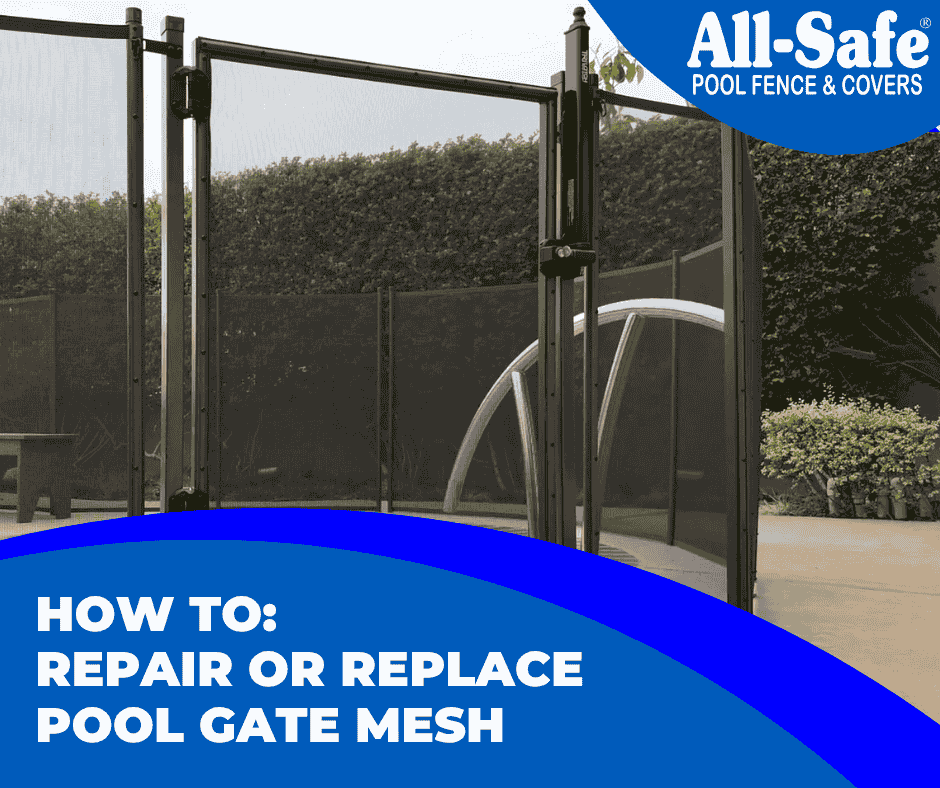
How To: Repair or Replace Pool Gate Mesh

If your pool fence gate mesh has been damaged—whether by pets, weather, or wear and tear—you can replace it yourself with just a few tools and some patience. Follow the instructions below to remove and replace the gate mesh safely and correctly. Tools Required: Step-by-Step Instructions: 1. Remove the Striker Body TriLatch: Unscrew the striker body from the mounting bracket, then remove the mounting bracket from the gate frame. MagnaLatch: Locate the adjustment screw inside the striker body. Turn it clockwise until the first two screw holes are visible. Use a small flathead screwdriver to gently push the mounting tabs and remove the cover plate. Turn the adjustment screw counterclockwise to reveal the mounting screws. Remove all four screws to detach the striker body. 2. Remove the Hinge Cover Plate Use a flathead screwdriver to gently pry the top of the cover and lift it off. 3. Detach the Gate from the Hinges Start by removing the inside hinge screws, then the bottom hinge screws. Leave the top hinge screws for last to keep the gate stable until you’re ready to remove it. Pro Tip: Lay down cardboard or a tarp before setting the gate down to protect the finish.

Read More »
Hero Image How to Pick Your Layout

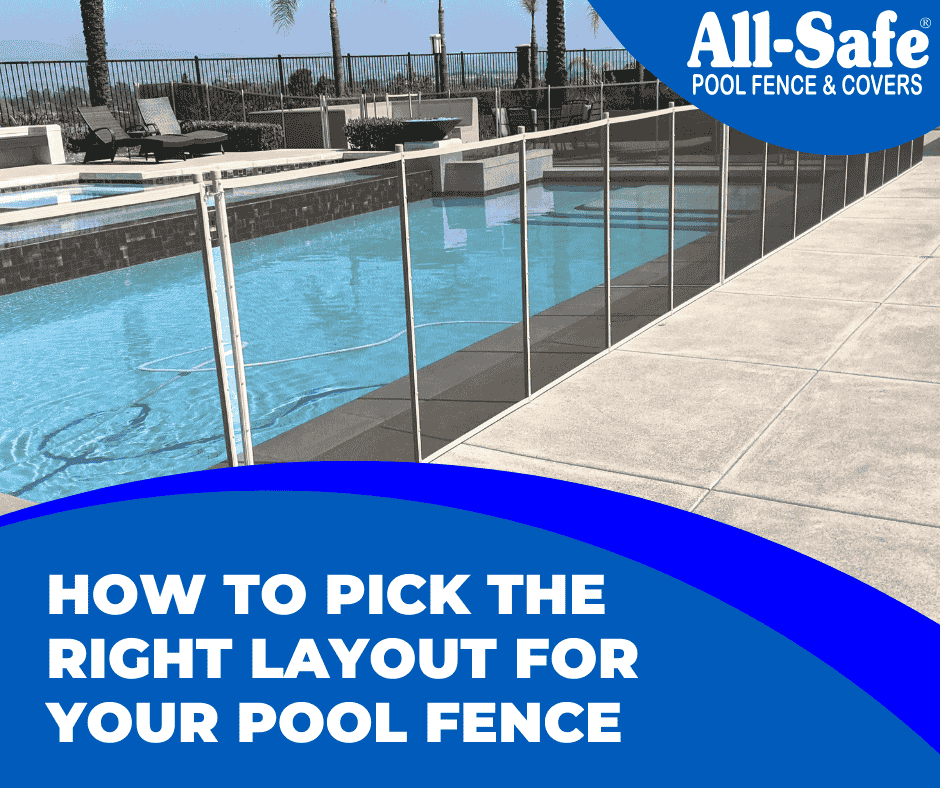
How to Pick the Right Layout for Your Pool Fence

Whether you plan to install the fence yourself or are hiring a local All-Safe reseller, choosing the right layout is essential. The layout impacts everything—from how safe your pool area is, to how easy the fence is to install and use, to how it looks in your backyard. A good place to start is by comparing two common layout options: Each approach has pros and cons depending on your priorities—whether it’s maximizing play space, minimizing fence length, or keeping installation simple. This article walks you through what to consider when planning your layout, including: Even if you’re not doing the installation yourself, understanding these key points will help you make informed decisions and clearly communicate your goals with your installer. ✅Safety First: Design with Protection in Mind Safety is the #1 priority when planning a pool fence layout. Here are the critical safety factors to consider: Access Points Start with a full inspection of your yard. Identify any areas that could allow access to the pool, such as: These access points may require special coverage or gate placement in your layout. Climbable Structures Keep the fence at least 18–24 inches away from anything a child could climb, such as: Even

Read More »
Hero Image for Remove and Reinstall Knowledge Base Article

Step-by-Step Guide: Removing & Reinstalling Your Pool Fence

Are you looking to temporarily remove your pool fence for maintenance or storage? Our step-by-step guide makes the process simple and efficient! From safely detaching the gate to properly storing your fence sections, we cover everything you need to know. Plus, learn how to reinstall your fence with ease, ensuring optimal security for your pool area. Don’t let the task overwhelm you—follow our expert tips and enjoy peace of mind knowing your pool is safe. Dive into our guide and discover how to manage your pool fence like a pro!
Read More »
Self-Closing Gate Kit with Rectangular Posts Hero

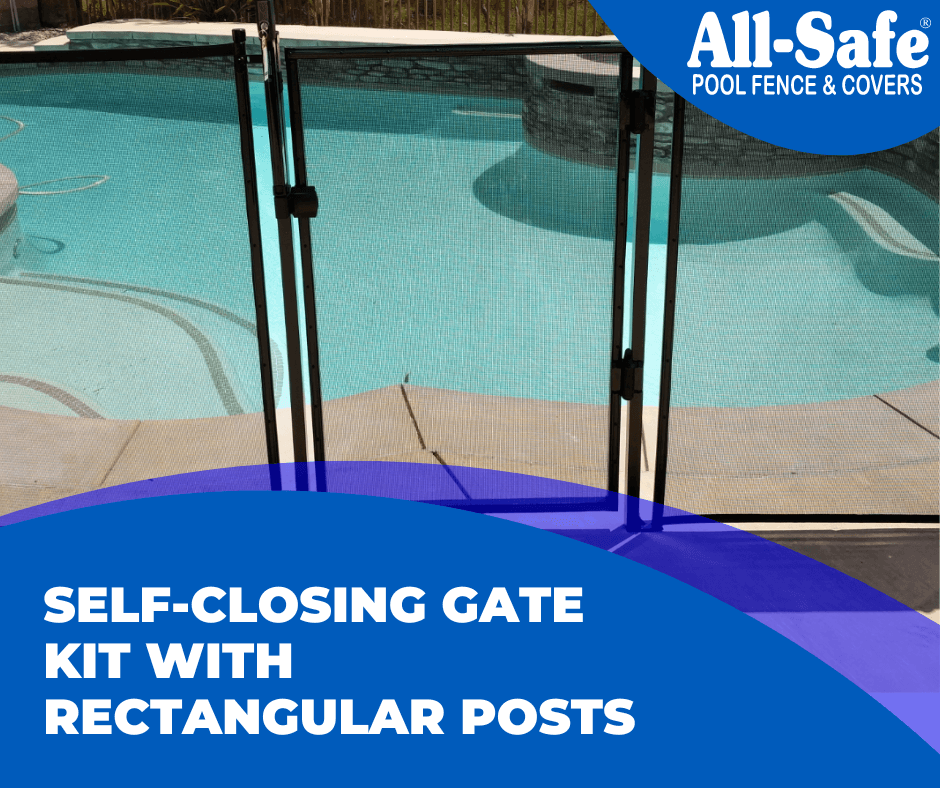
Self-Closing Gate Kit with Rectangular Posts

The Rectangular Post Gate Kit features components like flanges, deck sleeves, and hinges, and is available in 4-foot and 5-foot heights, with color customization options. The installation process involves five key steps: flange installation, post and fence positioning, bracket attachment, hinge placement, and the Trilatch gate latch system setup. The kit is complemented by detailed instructions and video guides.
Read More »
Installing a Corner Post Hero Image

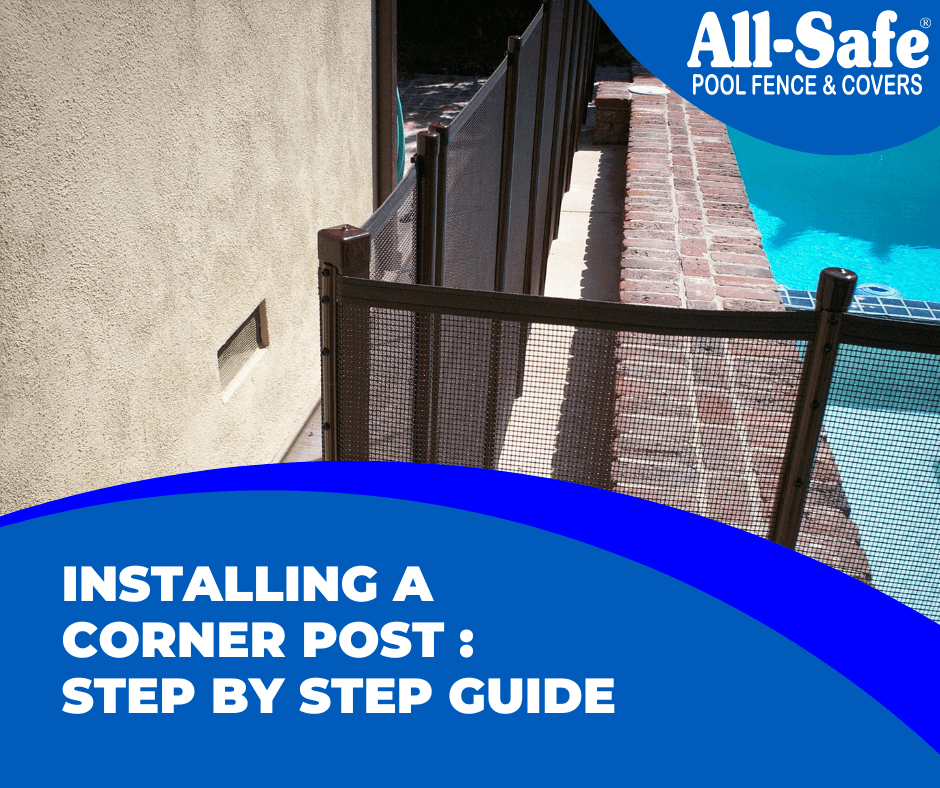
Installing a Corner Post for Mesh Pool Fencing: A Step-by-Step Guide

Tools and Materials Needed Step 1: Preparing for Installation Before you begin, ensure your deck is clear and clean. Gather all necessary tools and materials, including the All Safe Corner Post, and measure your work area carefully. Step 2: Marking the Layout Step 3: Measuring for Accurate Placement Step 4: Drilling and Setting the Post Step 5: Installing the Fence Step 6: Final Adjustments and Finishing Touches Conclusion The Corner Post from All Safe elevates the quality and durability of your mesh pool fencing installations. Do Prefer video instructions ? Checkout our YouTube installation video:

Read More »
U Safe Pool Fence Gate Kit Hero Image

U-Safe Pool Fence Gate Kit

Introduction The U-Safe Gate is All Safe’s latest innovation in the pool safety industry. Designed primarily for the DIY market, the U-Safe Gate is by far the easiest gate to install. Right from the box, the U-Safe Gate comes with hinges and latch already installed, radically simplifying the overall installation process. The U-Safe Gate has a U shape exoframe which is far less susceptible to varying fence tension  keeping the gate isolated allowing  proper latch adjustment. Even though the U-Safe Gate has been designed for the DIY market, It also has uses for the more advanced installer. Wood Deck, Artificial Turf, and Dirt areas that would normally take extensive time and materials to prepare, can now be installed with minimal effort.   The U-Safe is only available exclusively in Peg and is designed to be used with our Classic Peg Style Fence and Components. This brings us to the next All Safe advancement in the pool safety industry. The Peg Shifter. The Pegs in the U-Safe Gate are adjustable up to a total of ¼ inch.  Another feature in the simplicity of the U Safe Gate is that it does not require special angles to be drilled for the gate to

Read More »
Hero Image for How to Install Brass Keyhole Anchor

How to Install Brass Keyhole Anchors for Pool Nets & Covers

When installing a net on a pool or spa, use the Brass Keyhole Anchor, the industry standard. Start by deciding the layout and anchor placement. Drill the deck with a 3/4 inch hammer drill or core drill. Insert the anchor ensuring the correct orientation. Use different keyhole sizes based on the drill bit’s wear.

Read More »
Hero Image for How to Remove Deck Sleeves

How To Remove an Old Pool Fence Deck Sleeve

Discover how to effortlessly remove an old pool fence deck sleeve within minutes with our easy-to-follow guide. Whether you’re dealing with a Peg Pole or a 1-inch deck sleeve, these instructions are designed to simplify the process. Browse our extensive collection of deck sleeves available in various styles in our online catalog: AllSafePool.com/product-category/pool-safety-gate/deck-plugs-sleeves Tools Needed for Removing Old Deck Sleeves: For those in need of a Bearing Puller, you can find one at Harbor Freight: Click Here Follow our step-by-step video tutorial to make this a simple task!

Read More »
Hammer Drill Guide for Peg Pole Hero

Hammer Drill Guide : Installing Peg Pole Pool Fencing

Whether you’re a seasoned professional in installation, just starting out in the industry, or diving into a DIY project, drilling the correct angled holes for a pool fence is crucial for both functionality and aesthetics. The Hammer Drill Guide presents the most cost-effective method for installing a removable pool fence. Let’s explore the steps for utilizing the Hammer Drill Guide effectively. Please note: This video & photos on this article include a vertical sleeve component that was part of a prototype and is not included with the final product. Tools Needed No Lean Setting Starting with the guide’s first setting, we aim for drilling straight, or plumb, holes, referred to as NL (No Lean). This is essential when your fence is designed to follow a straight path, ensuring all holes are plumb, except for those designated for the gate, which we will discuss in more detail shortly. Installing Begin by inserting the ⅝ inch hammer drill bit through the bottom of the drill guide. Next, using a deck sleeve and a sharpie, mark the drill bit to indicate the required drilling depth, approximately 4 ½ inches. Before attaching the drill, place the guide over your mark. Use the three Allen

Read More »
Wood Deck Hero

How To Install a Pool Fence on a Wood Deck

Wood or composite decks have challenges that are very different from other surfaces you will encounter on a typical pool fence installation. If you have a Wood Deck and are considering installing a Pool Fence, it may be possible. If you can access the joists under your deck, this is the best case scenario because you will need to install along the joists. We would recommend hiring a professional reseller/installer to do any pool fence installation in wood or composite decking. Tools Needed A typical core drill on a stand will be needed to drill plumb holes in the wood or composite deck. The drill should have the ability to accept: You should also use something like a piece of vinyl flooring or thick cardboard between your drill stand and the deck to keep from scratching or marring the customers deck. Pool Fence Material Needed If you can locate a joist that will span your layout, then you can use All-Safe’s pre-assembled, 36 inch spaced, 15 foot long, peg pole section of fence. If the structure of the deck is staggered and not hitting 36 inches on center, then you should assume that the fence will need to be built

Read More »

Products

Find a Local Installer

Enter your zip code to locate an independent installer in your area

Get a Free Quote from Your Local Installer

Their contact info will be shown on the next screen.

Color Variations

Colors on your screen or brochure may not match the actual color of your product.

Due to the many variations in monitors, phones, and browsers, color samples and product examples may appear different on different screens. Computers and mobile devices are not all calibrated equally and color reproduction on the Internet is not precise. The same is true for printed items such as brochures and other sales literature. 

In addition, the colors of our products photograph differently under different lighting conditions. For example, photos taken in full sunlight will vary from photos taken on a cloudy or overcast day. Similarly, shadows from nearby objects can affect the color and transparency of our products. If a precise color or specific shade is important, please inspect the actual color of your product prior to installation.

Colors will vary from batch to batch.

Many of our products’ materials are not available through typical stores and vendors and therefore must be custom manufactured specifically for our use. In order to control costs and provide you with the best value possible, our raw materials are produced in large batches and can often take several months to receive. The colors of our materials can, and often do, vary slightly from batch to batch. Although we make every effort to minimize color variations, we cannot be responsible for these differences when they occur. If a precise color or specific shade is important, please inspect the actual color of your product prior to installation.

Color names are subjective and may not be what you think the color should be.

For example, we use the name “putty” to describe some of our products. Your idea of the color “putty” may be different than someone else’s idea of “putty”. In addition, products may have the same color name but may not be the exact same color. For example, we have different shades of “black”. Please do not order using color names as your only guide. If a precise color or specific shade is important, please inspect the actual color of your product prior to installation.

Inspect the actual color of your product prior to installation.

If it is important that your product be an exact color or shade, it is highly recommended that you inspect the actual product prior to its installation and address any concerns with your local independent installer. Most independent installers do not offer refunds or accept returns due to color variations.