Hurricane Pool Safety Checklist: Protect Your Pool and Removable Mesh Fence
Hurricane Pool Safety Checklist: Protect Your Pool and Removable Mesh Fence
Storm Season Reality Check
Hurricane season spans from June through November, and even a Category 1 storm brings winds above 74 mph, strong enough to launch patio chairs and palm fronds like missiles. These winds can damage pool tiles, crack pump baskets, and leave your yard covered in debris. Add in heavy runoff and a power outage, and you’re looking at cloudy water, algae blooms, and a costly clean-up. The solution? A clear hurricane pool preparation plan, starting 72 hours before landfall, can save you time, money, and stress.
Four Hazards You Cannot Ignore
Wind-borne debris damages pool tile, rails, and screen framing.
Contaminated runoff stains interior surfaces and overwhelms chlorine.
Loss of circulation lets algae spread while pumps sit silent.
Unanchored mesh fencing can bend poles and punch holes in windows.
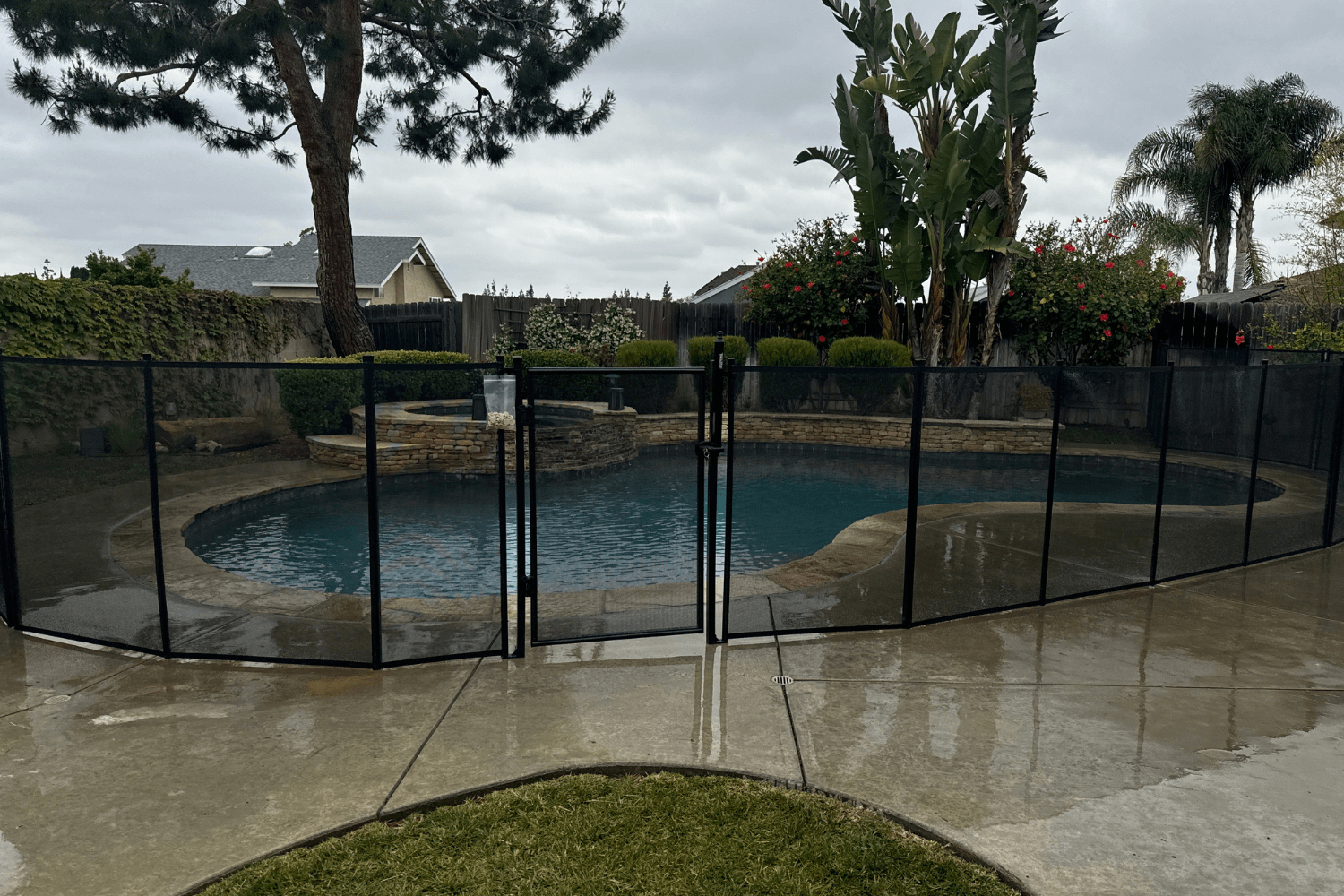
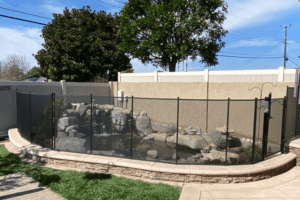
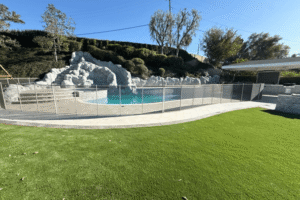
At All-Safe, we stand behind our removable mesh fences for child safety. But during a hurricane, it’s safer to remove and store the fencing, as these fences aren’t designed to withstand hurricane-force winds.
A 72-Hour Hurricane Pool Safety Countdown
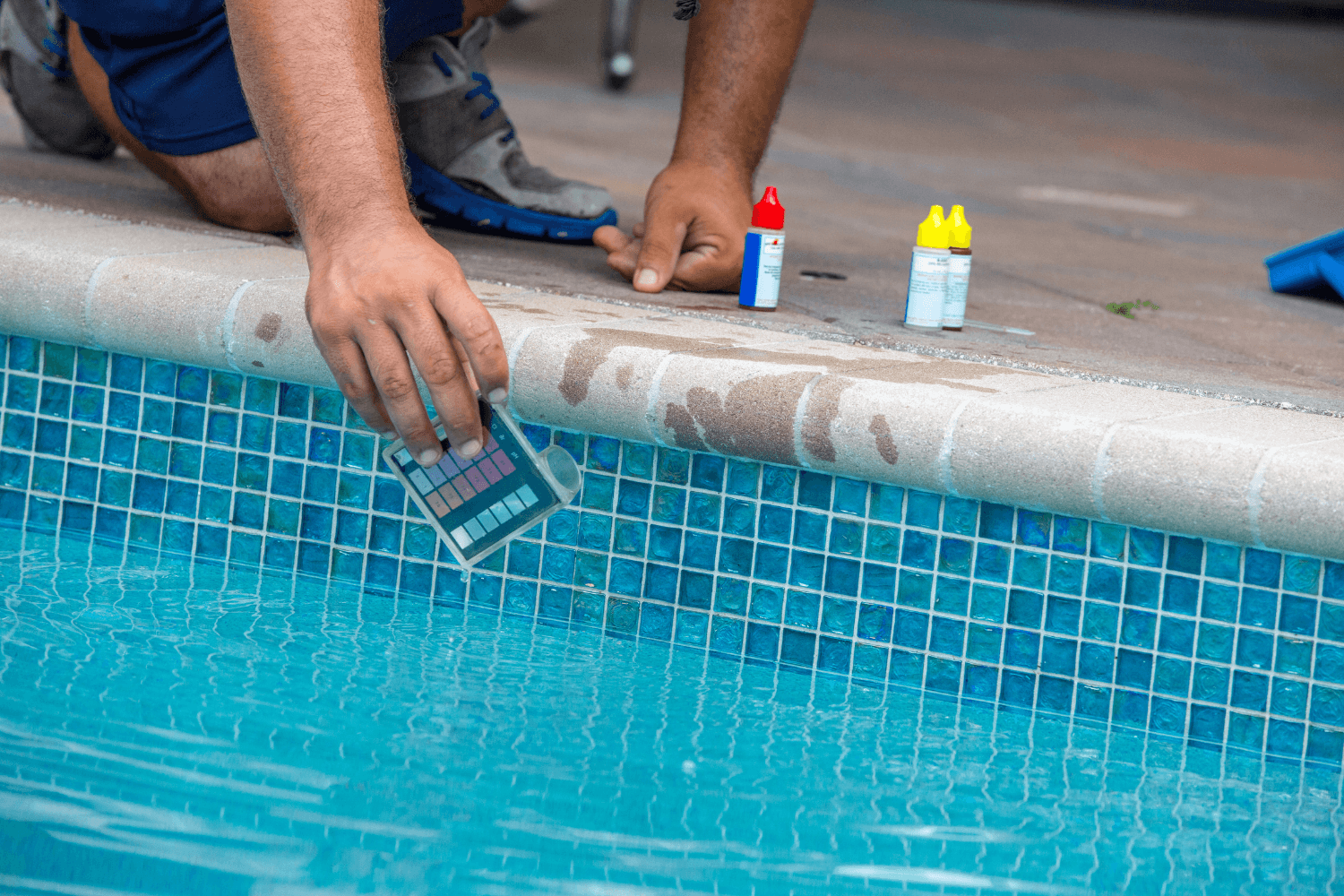
At 72 hours out, this is a good time to set the chemical foundation. Bring pH down to 7.2 and raise free chlorine to about 10 ppm so sanitizer survives heavy rain. Snap photos of your equipment; those images make the restart seamless later.
At 48 hours out, your focus should be on flow. If chlorine has slipped under 3 ppm, shock again, then backwash or hose the cartridge so the filter starts clean.
24 hours out is removal day. Drop the waterline 2 inches to create expansion space; never drain the shell. Unscrew ladders if anchor flanges allow, or strap them tightly to the deck. Finally, roll the mesh pool fence sections around poles, label each bundle with painter’s tape, and lean the stacks in a dry garage or storage area.
Pro Tip: There’s no such thing as a truly “hurricane-proof pool fence.” Removable fences rely on surface sleeves, not structural anchors, so removal is the safest move.
Mistakes That Turn Cleanup Into a Nightmare
People still drain pools, pitch furniture into the deep end, or lash mesh panels to pergolas. Those shortcuts let groundwater lift the shell, scratch the plaster, and turn fencing into a giant sail. Keep pumps de-energized to avoid lightning damage and follow evacuation guidance when officials say go.
First 24 Hours After the Storm
Safety leads the list once the storm has passed. Scan the deck for downed wires touching puddles and report them. Next, skim large branches by hand so baskets do not clog at startup. Test the water; if free chlorine reads under 1 ppm, boost it back to ten. Power restored? Run the pump nonstop for a full day and backwash once the pressure gauge climbs ten pounds. While equipment hums, inspect the stored fence; order fresh mesh or poles from the replacement parts shop if anything is bent. Finish by brushing plaster and pool tile before dirt has a chance to bond.
Reinstalling the Fence Without Drama
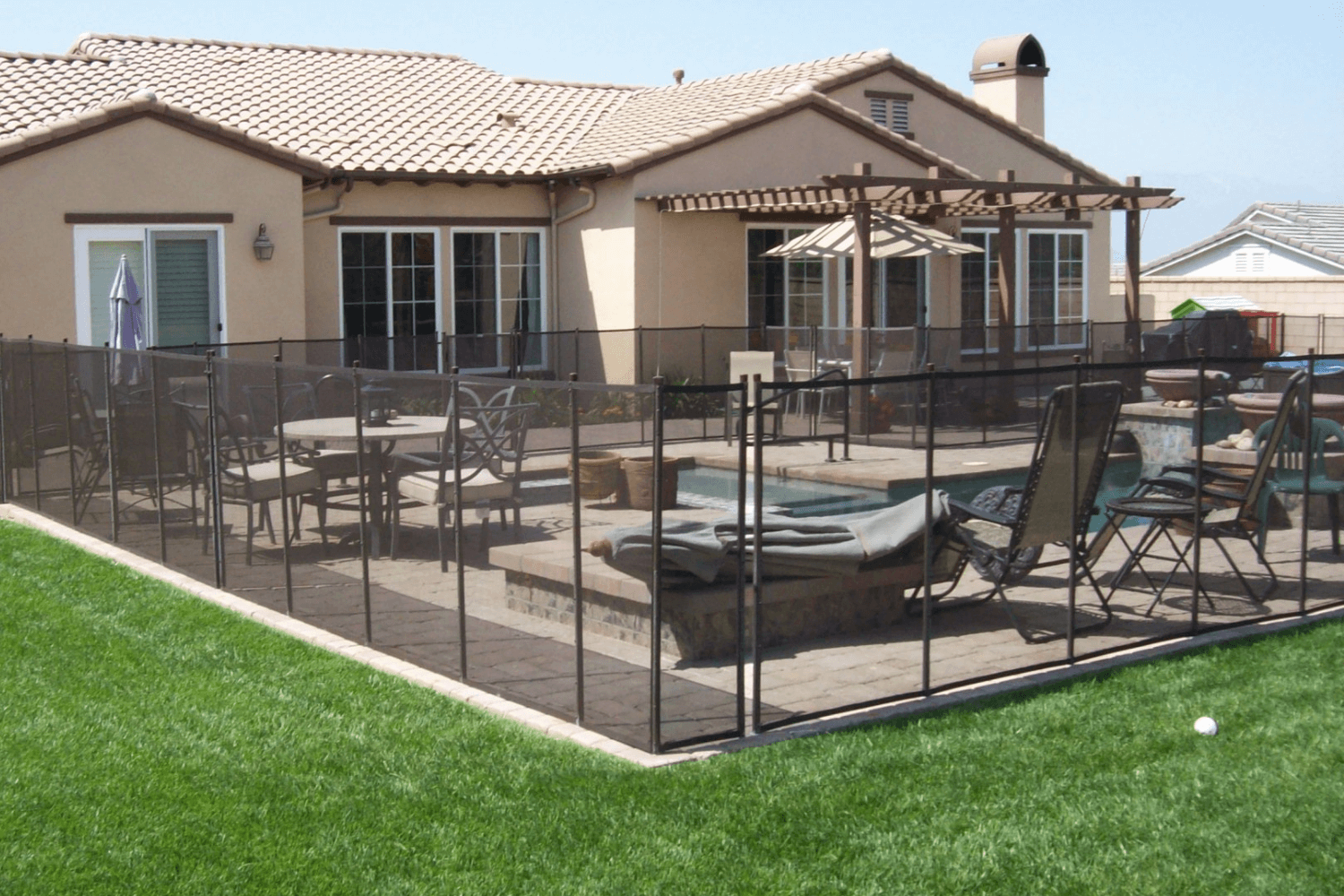
Once all of the debris is gone, it’s time to reinstall your pool fence. Be sure to rinse each sleeve, drop the poles, latch the panels, and verify that the gate self-closes. Because every bundle was labeled, the job often takes under an hour. A fence that looks brand-new welcomes the next swim party.
Smarter Upgrades for Next Season
Automatic overflow valves stop rainwater from spilling over the coping.
Variable-speed pumps circulate for pennies a day, giving you longer runtime during watches and warnings.
Weatherproof storage bags keep the rolled mesh pool fence clean and mildew-free.
Keep Calm and Swim On
Hurricane pool safety is a project you start early and finish fast. Follow this timeline, store your pool fence, and you will trade weeks of repairs for a single afternoon of set-up. To learn more about our pool safety equipment selection, contact us for a free quote! Peace of mind is easier than you think.
Before installing a removable pool fence, confirm your surface is stable. This guide covers what to know about pavers, concrete, and wood decking, plus planning tips that help your fence and gate perform reliably long term.
Need a flexible pool barrier for guests, projects, or short-term safety? This guide explains when temporary pool fencing works best and what to consider when choosing a removable pool fence that stays secure in daily use.
Supervision matters, but it is not a system. Learn why a pool fence helps prevent unsupervised access, where supervision breaks down in real life, and what to do next once you decide a barrier is right for your home.