DIY Pool Fence
What Happens When DIY Pool Fence Installers Skip the Instructions?
Skipping DIY pool fence instructions can lead to misaligned sections, bad spacing, and gate issues. Learn common mistakes and how to avoid them.

Pool ownership is rewarding, but it comes with its share of responsibilities. A safe pool environment encourages fun and relaxation while significantly reducing the risk of accidents. Unfortunately, over the years, several pool safety myths have gained traction. Believing these misconceptions can lead to poor choices and increased danger around your pool. Today, we’re helping separate fact from fiction so you can protect your family and guests with confidence.
It is easy to assume you know everything about keeping your pool safe, especially if you have owned one for a while. What often goes unnoticed is that many commonly held beliefs about pool safety are inaccurate. These misunderstandings can create a false sense of security, leading to inaction or unsafe choices. Recognizing common pool safety misconceptions is the first step in building a safer backyard.
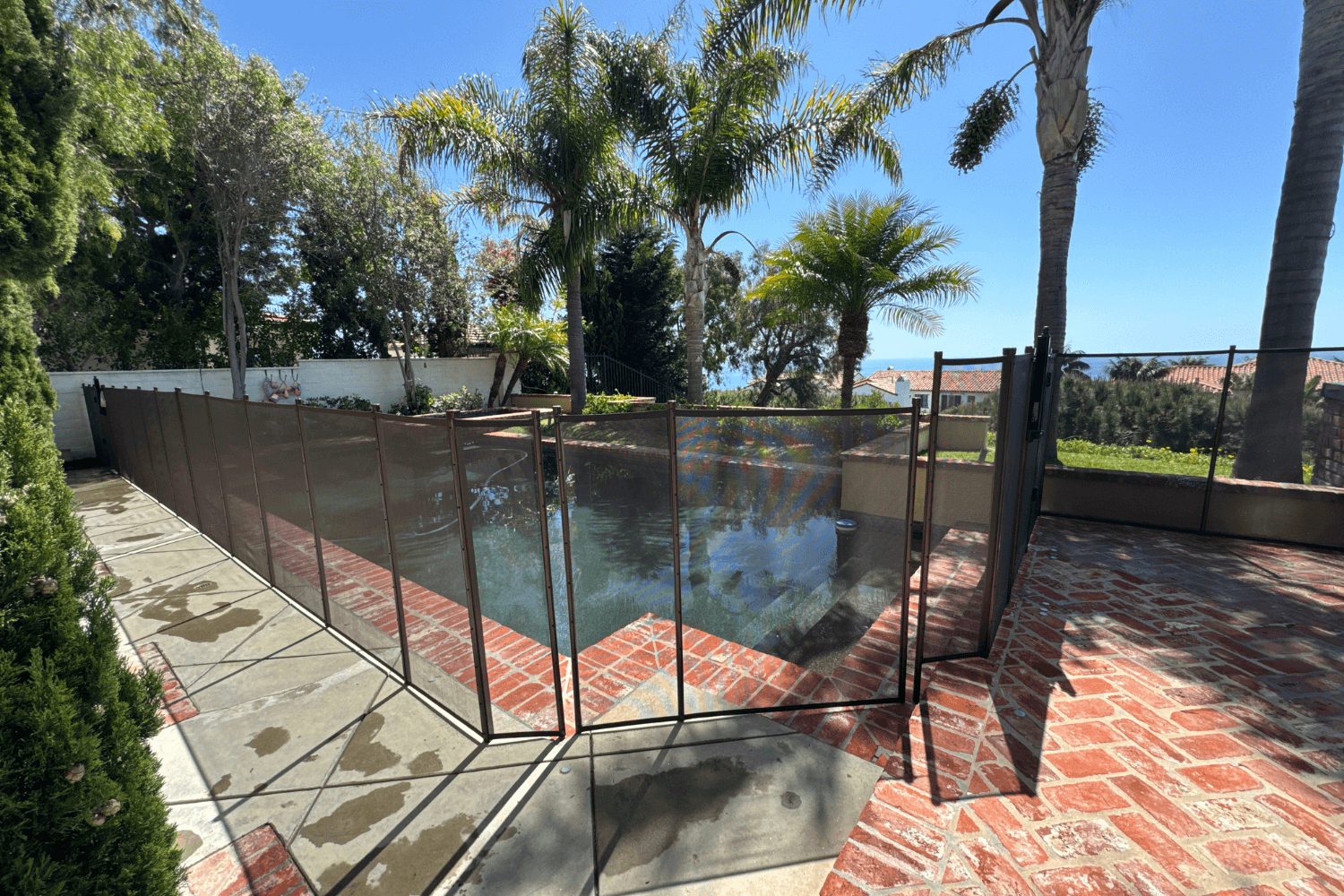
One of the most common myths is that pool fences are only required when there are children in the home. While children are especially at risk around open water, anyone can be vulnerable, including pets, visiting relatives, or neighborhood kids. A pool fence serves as a physical barrier that helps prevent accidental access to the water at all times.
Regardless of who lives in your home, a properly installed pool fence decreases the likelihood of unintended entries into the pool area. This is especially important during busy moments, such as parties or gatherings, when attention can be divided.
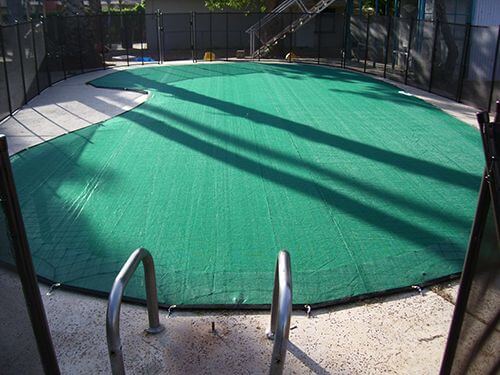
Pool covers help keep debris out of your pool and can slow heat loss in cooler months. However, many homeowners believe that having a cover in place eliminates all safety concerns. That is not the case. Unless a cover meets specific safety standards, it should not be relied upon as a sole barrier against accidental falls into the water.
A secure pool cover is a good addition to your safety lineup, but it works best when paired with other systems such as a fence and alarm. A well‑fitted mesh cover allows water to pass through while blocking debris, but it does not stop deliberate or accidental entry in the same way a fenced barrier does.
Maintaining clear, clean water is essential for health and comfort; however, water clarity alone is not a reliable indicator of safety. A pool with clean water can still present hazards if the surrounding area is unsafe, if the barrier system has gaps, or if there is a lack of enforcement of basic safety rules.
A comprehensive approach to safety includes effective barriers, regular maintenance of hardware, and supervision protocols. Clean water and a tidy deck help with usability, but they should not be mistaken for comprehensive safety measures.
Some homeowners assume that fences made of metal or glass are automatically superior to mesh or other barrier types. While metal and glass options have value and can complement certain aesthetic preferences, performance depends on installation, materials, and compatibility with safety codes.
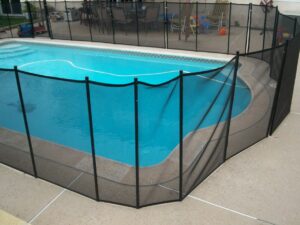
Mesh fences, for example, provide a climb‑resistant surface that deters unauthorized entry without obstructing sight lines. In many cases, mesh fences remain a strong choice for families because they combine visibility, safety, and compliance with local requirements.
Installing a fence is an important step, but it is not the complete solution on its own. A secure pool barrier includes multiple elements working in tandem. These include self‑closing gates, proper latch mechanisms, and regular inspections to ensure the fence remains stable and undamaged.
Assuming that a fence alone makes the pool area fully protected can be risky. Gates that fail to latch correctly, mesh that sags, or hardware that loosens over time can compromise the effectiveness of the barrier. Regular pool safety maintenance helps ensure that the system continues to perform as intended.
Pool alarms are excellent safety tools that provide alerts when something enters the pool or when a door leading to the pool area is opened. Still, they do not replace the need for a physical barrier.
Think of an alarm as a second layer of protection rather than a primary one. While it can alert you to an unexpected event, it does not physically prevent entry. A fence provides the first level of defense by restricting access. Adding alarms enhances safety by providing an immediate warning if someone approaches or enters the pool area without supervision.
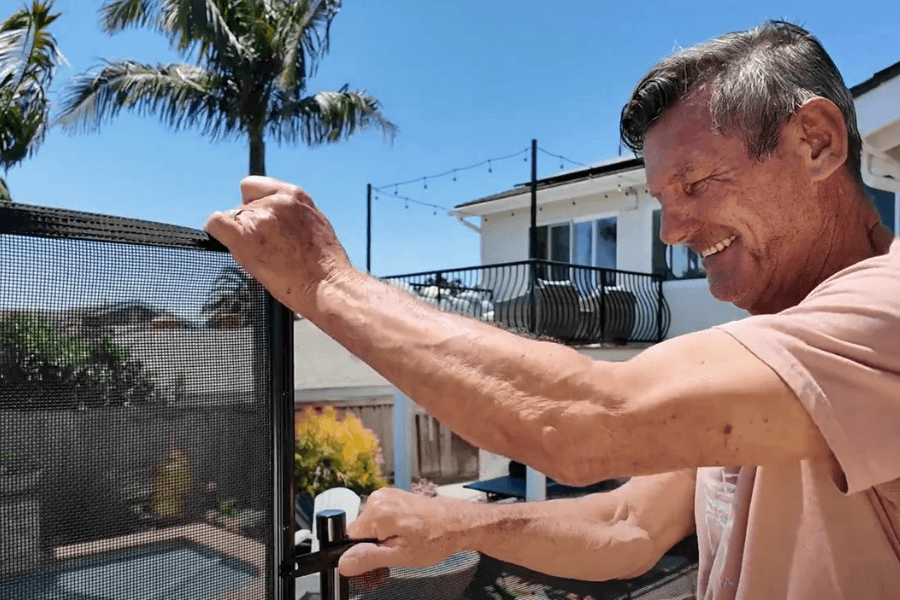
Do-it-yourself projects can be rewarding and cost-effective in some cases, but not all safety upgrades should be attempted without proper knowledge and tools. DIY pool fence installation might work for certain homeowners, but it requires accurate measurements, material knowledge, and familiarity with local code standards.
In some situations, relying on a professional installer ensures that your barrier meets both safety requirements and performance expectations. If you choose to install parts yourself, make sure you understand the instructions clearly and double‑check your work. Quality replacement parts and thorough planning are essential to avoiding costly mistakes.
Understanding the difference between myths and fact helps you make informed decisions about your pool environment. Rather than relying on assumptions or hearsay, turn to authoritative sources, local safety codes, and trusted professionals when questions arise.
A good practice is to conduct an annual safety review of your pool area. Evaluate the condition of your fence, check gate latches, and look for signs of wear or damage. Use this opportunity to correct small issues before they become safety risks.
Start by evaluating your current safety setup. Inspect your existing barrier to make sure it is stable and intact. Pay special attention to gates, latches, and tension in the mesh if you use mesh fencing. Walk around your pool area and identify any elements that may confuse or mislead visitors, such as deck toys near the fence or unclear boundaries.
If you have not yet installed safety measures such as self‑closing gates or visible signage, consider adding them. Educate family members and guests about basic pool rules, including never using the pool area unattended and keeping the gate closed at all times.
Making safety checks a regular part of your routine reinforces good habits and reduces risk across seasons and use patterns.
Pool ownership brings enjoyment, but it also demands thoughtful attention to safety. By addressing these pool safety myths, you gain clarity on what truly matters and avoid potentially risky assumptions. Separating fact from fiction enables you to upgrade your pool’s safety foundation, protect those you care about, and enjoy your backyard with confidence.
A fence, paired with reliable hardware and thoughtful maintenance, remains a core pillar of a safe pool environment. Understanding your system and how it performs will help you make smart decisions and correct course when a common misconception no longer serves you.
Skipping DIY pool fence instructions can lead to misaligned sections, bad spacing, and gate issues. Learn common mistakes and how to avoid them.
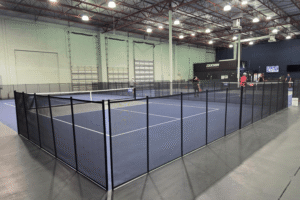
Mesh removable pool fencing is a flexible, affordable way to add boundaries to pickleball courts. It keeps balls contained, looks clean, and can be removed when needed.
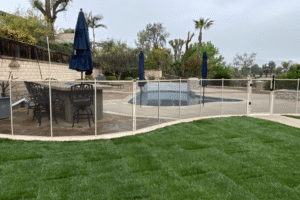
Just installed a removable pool fence? Here’s what’s normal in the first weeks, what to watch for with gate performance, and how to keep the mesh clean and secure through seasonal changes.