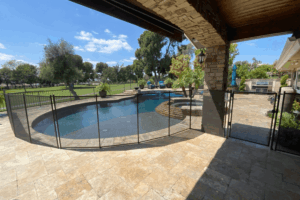
How to Secure Your Pool Gate When You’re Not Home
Leaving home is the perfect time for safety gaps. Use this guide to secure your pool gate, build a simple routine, and reduce the risk of unsupervised pool access.


Pool safety starts long before anyone gets in the water. Most homeowners think about fences, nets, and covers first, and that is exactly right. Those layers help prevent unsupervised access and reduce the chance of an emergency in the first place.
Still, every pool owner should also think about readiness. If an incident happens, the difference between panic and action often comes down to preparation. Knowing what to do next, who calls for help, and how to respond in the first moments can help you act faster and more clearly.
Even if you have strong prevention in place, it helps to know what you would do if something went wrong. Having a simple response plan and basic readiness steps can help you act faster and more calmly in a high-stress moment.
A strong pool setup is built on prevention. Physical barriers limit access. Gate habits reduce risk during busy moments. Clear routines and supervision help prevent accidents during swim time.
Emergency readiness is the backstop. It is what you rely on if prevention fails. That can happen in a split second, especially with young children, distracted guests, or a crowded backyard.
Being prepared does not mean living in fear. It means giving yourself a plan you can follow when stress is high. It also means making sure the people around you understand what to do if something goes wrong.
One of the most important readiness lessons is understanding that drowning does not always look dramatic. Many people imagine loud splashing and yelling. In real life, a person in distress may be silent and focused on breathing. They may not be able to call out or wave.
This matters for pool owners because recognition is step one. The sooner you notice trouble, the sooner you can respond. During gatherings, it helps to treat supervision as a job, not a shared assumption. If “everyone is watching,” no one is watching.
A practical mindset shift is to watch for behavior that looks unusual, such as a swimmer who is not making progress, a child who has slipped below the surface, or someone who suddenly becomes still near the wall.
If you suspect a water incident is happening, the goal is to move quickly and reduce confusion.
Start by getting the person out of the water if it is safe to do so. If you cannot safely enter, use a reaching assist or flotation aid if one is available. Once the person is out, check responsiveness and breathing.
Call emergency services immediately if the person is unresponsive or not breathing normally. If other adults are present, assign tasks clearly. One person calls. One person meets responders at the front of the house. One person stays with the victim.
If you are trained in CPR for drowning, begin care. If you are not trained, follow instructions from the emergency dispatcher. The most important thing is to activate help quickly and keep the response moving.
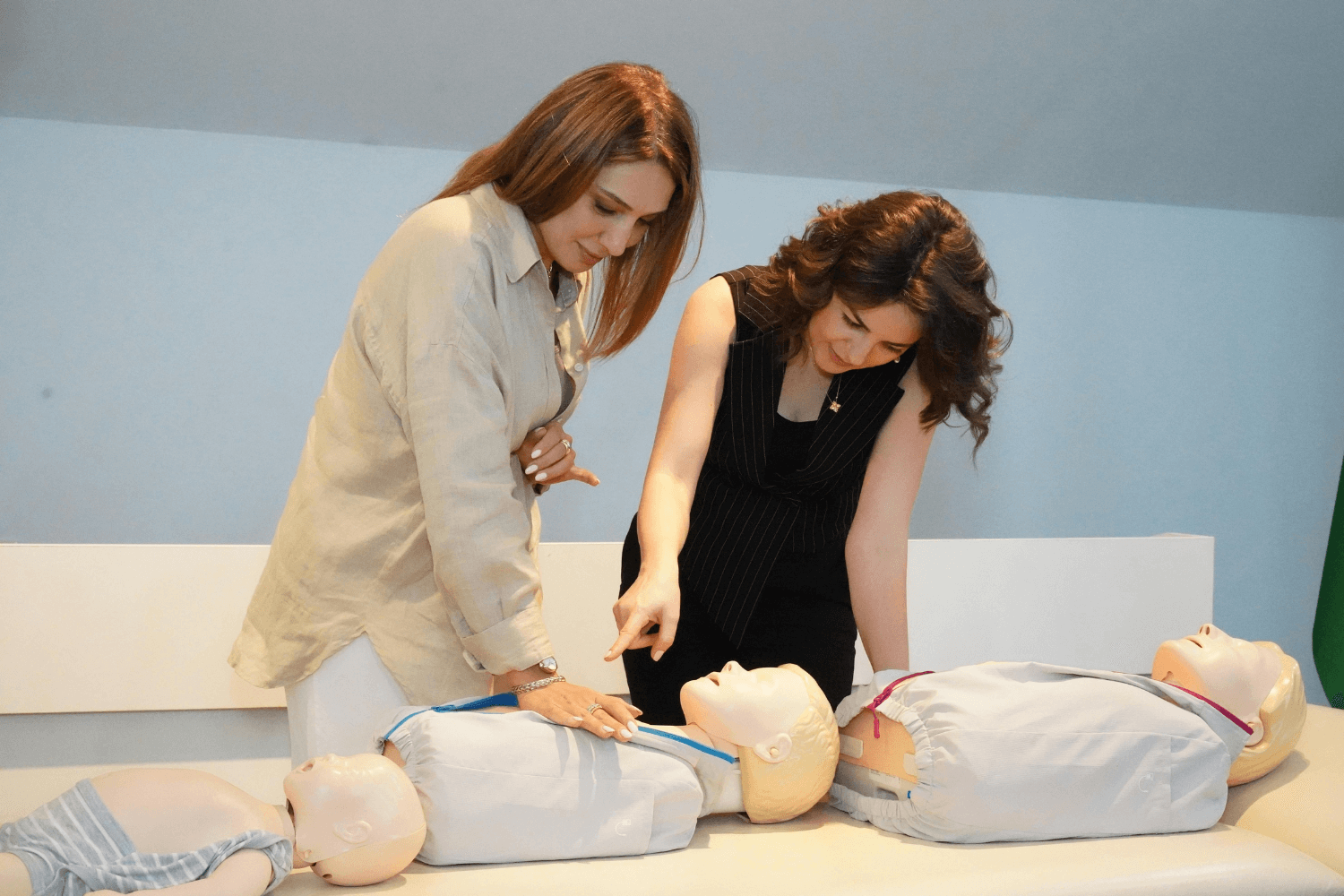
Many homeowners want to understand what to do in a water emergency, but they worry about doing the wrong thing. That fear can lead to hesitation, which is exactly what you want to avoid.
The best approach is simple: get training before swim season, keep emergency numbers accessible, and understand your role. CPR is best learned through certified instruction with hands-on practice. If an emergency happens and you are not trained, emergency dispatchers can provide step-by-step guidance in the moment.
If you do one thing after reading this, make sure at least one adult in your household has current CPR training, and ideally more than one. That reduces reliance on a single person and improves response confidence when guests are present.
Families often focus on children for good reason. Kids can move quickly, and water risk is higher when little ones are present. At the same time, adults can experience emergencies too, especially if alcohol is present at gatherings, someone has a medical condition, or fatigue becomes a factor.
Readiness means thinking about who uses your pool and who might be present. If you host friends often, your plan should account for guests. If grandparents visit, consider mobility and supervision needs. If you have toddlers, access prevention needs to be especially strict.
This is also where barriers matter most. A pool fence and secure gate reduce the chance of unsupervised access, which is one of the most common ways emergencies begin.

Emergency readiness is easier when your pool area supports it. Many homeowners keep everything inside the house, which adds time during urgent moments.
You do not need a complicated setup. You need items that are easy to access and consistently in the same place. Consider keeping a small, weather-protected kit near the pool area, plus basic rescue tools stored in a visible location.
Helpful items can include a reaching pole, a flotation aid, and a first-aid kit suitable for outdoor use. You also want a clear path from the pool to the house and from the street to the backyard, so responders can access the pool area quickly.
If you have a locked pool gate, ensure the lock choice and routine still allow fast adult access in an emergency. The goal is controlled access for safety, not delayed access when it matters most.
Many emergencies become chaotic because no one knows who is doing what. A simple plan reduces that stress.
If you host gatherings, decide in advance:
This is not about turning your backyard into a drill. It is about having clarity. Even a short conversation with family members can create a plan that is easy to follow later.
If you want an easy habit, assign a “water watcher” during swim time. This person is the designated supervisor for a set period, then responsibility rotates. It prevents the common problem of shared supervision turning into no supervision.
Emergency readiness should never replace prevention. The most effective pool safety strategy is layered.
A physical barrier reduces access when the pool is not actively supervised. A secure gate prevents accidental entry. A cover or net can help protect the pool when it is not in use, depending on the type of product.
These layers do not remove all risk, but they reduce the odds that you ever need to rely on emergency response. The takeaway is simple: focus on prevention first, then back it up with readiness habits that help you respond quickly if something goes wrong.
Most delays are predictable. The biggest ones include assuming someone else is watching, waiting too long to call for help, and losing time searching for supplies.
Another common issue is blocked access. A gate that is difficult to open, clutter around entry points, or confusion about where supplies are located can slow response time. Your pool layout should allow adults to move quickly when needed.
Finally, avoid vague communication. During stressful moments, “someone call 911” may result in no one calling. Direct instructions work better: “You call 911 now.”
Emergency readiness does not have to feel heavy. It can be woven into normal pool ownership.
At the start of each season, do a quick reset:
Knowing the basics of drowning CPR steps and being ready to act can make a life-changing difference. Prevention is the goal, but readiness is the backup plan every pool owner should take seriously. A safer pool is not only about what you install. It is also about the habits you build and the preparation you commit to as a household.
Leaving home is the perfect time for safety gaps. Use this guide to secure your pool gate, build a simple routine, and reduce the risk of unsupervised pool access.
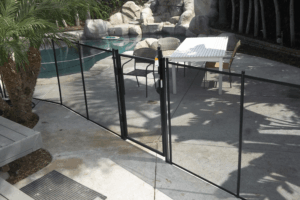
A pool fence is only as safe as its gate. Learn how to spot common gate issues, test your latch in under a minute, and keep a self closing pool gate latch working reliably year-round.

Don’t buy a pool safety fence without asking these essential questions. This buyer’s guide helps you evaluate height, compliance, materials, installation, and more.