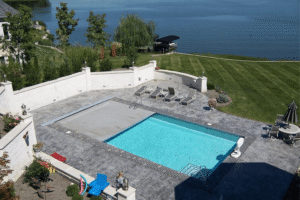
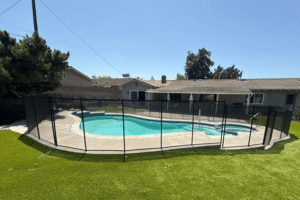
When swim season ends, many homeowners begin thinking about what can come down: pool toys, lounge cushions, umbrellas, outdoor décor, and sometimes, a removable pool fence.
After all, if the pool has been winterized and covered, is the fence still necessary?
In many cases, yes.
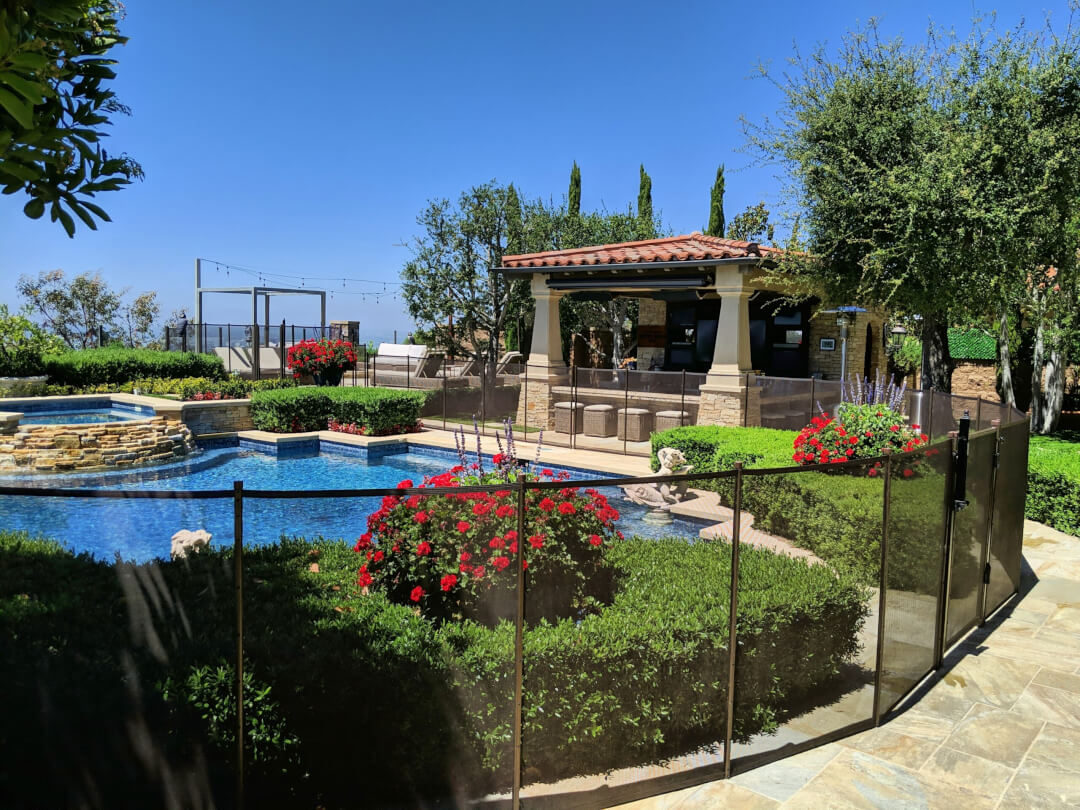
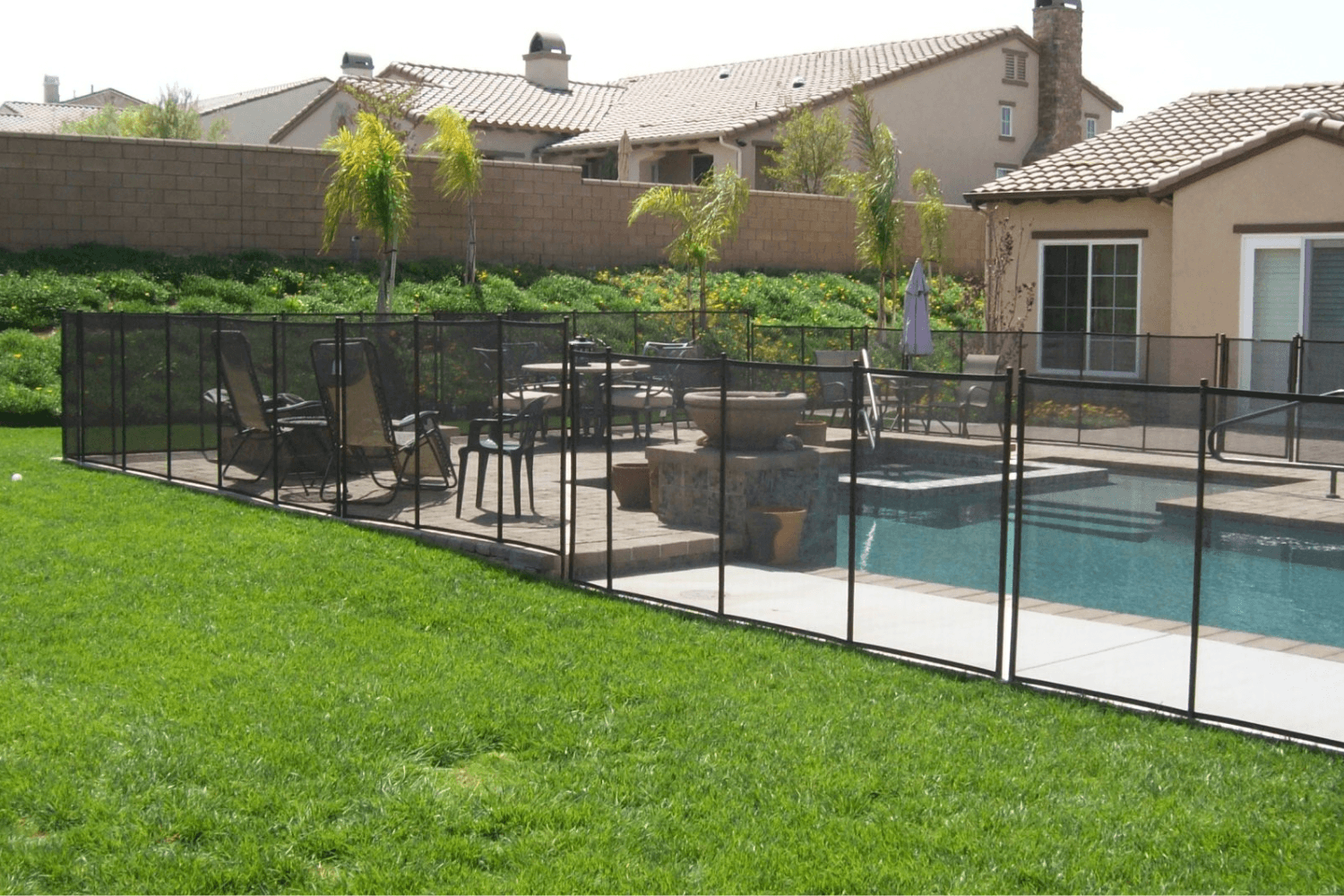
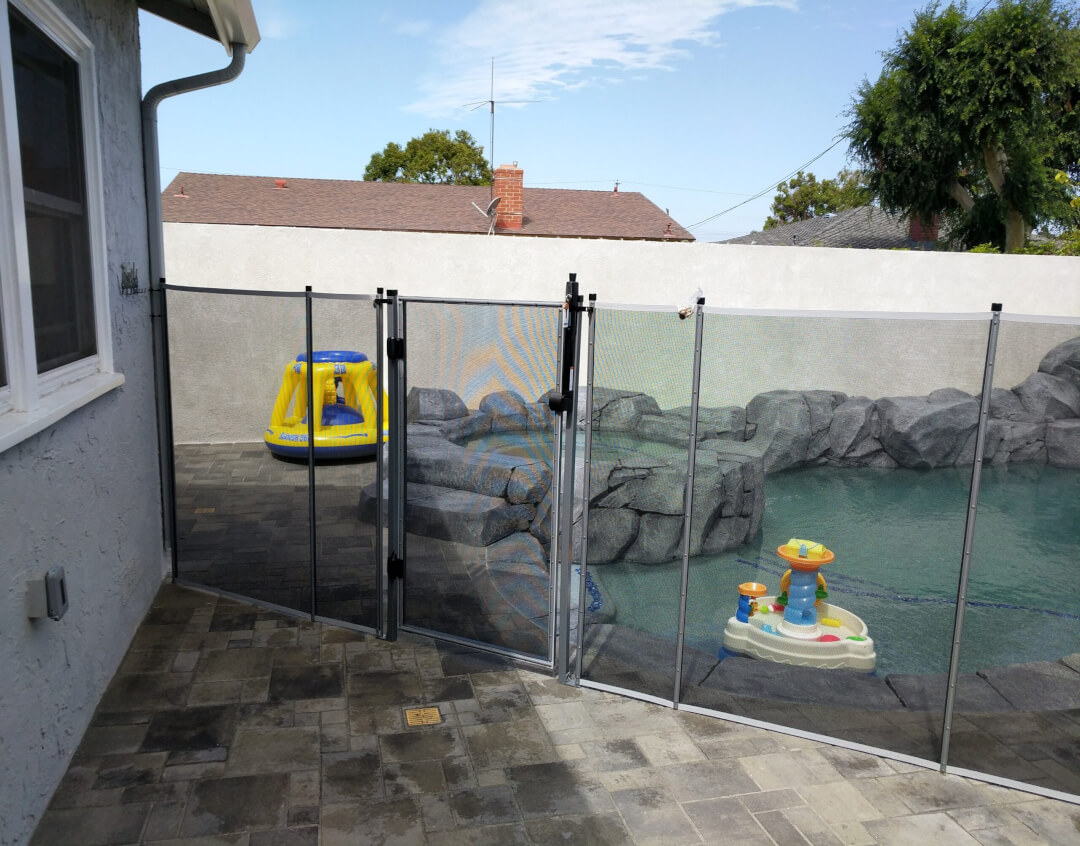
A removable mesh pool fence is designed to give you flexibility. You can remove sections for a special event, deck work, repairs, or another intentional reason. But “removable” does not necessarily mean “seasonal.” A properly closed pool is still a body of water in an active backyard, and the fence still plays a different role than a safety cover.
A winter safety cover creates a protective layer over the water. A pool fence creates a controlled boundary around the pool area. Used together, they can help make the backyard safer through fall and winter, not only during swim season.
A Closed Pool Is Not an Inaccessible Pool
Closing a pool changes how you use it, but it does not necessarily change who can enter the backyard.
Children may still play outside after school. Pets may use the yard every day. Family members may use the patio, fire pit, or outdoor kitchen. Landscapers, pool professionals, contractors, neighbors, and holiday guests may all move through the space while the pool is closed.
The pool may no longer be part of the day’s plan, but it is still there.
That is especially important during fall and winter, when pool safety routines can become less consistent. In summer, the pool is often visible, active, and top-of-mind. In cooler months, the cover may blend into the backyard and everyone may assume the pool is “taken care of.” A fence helps maintain a clear physical boundary even when no one is thinking about swimming.
Barriers are intended to provide added time and protection when adult supervision is interrupted. The CPSC identifies fences, door alarms, and safety covers as complementary layers, not interchangeable products.
A Cover and a Fence Do Different Jobs
A winter safety cover is an important off-season investment. When properly fitted, secured, and maintained, it helps protect a closed pool from weather and debris while adding a physical barrier over the water.
But a fence works at a different point in the sequence.
Limit access to the pool area before someone reaches the water.
Create a visual and physical reminder that the pool zone is separate from the rest of the yard.
Help deter unsupervised children and pets from approaching the covered pool.
Keep normal backyard play, storage, landscaping, and foot traffic outside the immediate pool area.
Add a layer of protection when a cover is being installed, removed, inspected, cleaned, or serviced.
A cover helps secure the pool itself. A fence helps control access to the space around the pool.
That distinction matters because a pool cover may need periodic attention during the off-season. You may need to clear debris, inspect straps or anchors, adjust equipment, or schedule service. During those moments, the fence remains a useful boundary even if the cover is temporarily being handled.
Fall and Winter Bring Different Access Risks
The off-season does not eliminate safety concerns; it changes them.
During fall and winter, your backyard may experience more:
Yardwork and equipment movement. Rakes, leaf blowers, hoses, ladders, bins, and landscaping tools are often brought through the pool area.
Furniture storage. Patio chairs, cushions, storage boxes, and seasonal décor can migrate closer to the fence line or gate.
Contractor and service access. Landscapers, pool technicians, holiday-light installers, and repair crews may need to enter the yard.
Weather-related checks. Storms, wind, rain, snow, and falling branches can require you to inspect the cover and surrounding area.
Guest traffic. Holiday gatherings can bring visiting children and pets into a backyard they do not know well.
Less direct supervision. Because the pool is not being used, adults may spend less time watching the pool area or thinking about access points.
Keeping the fence installed helps maintain order during all of this activity. It gives family members and visitors a clear visual cue: this is still a pool area, and it still has controlled access.
“Removable” Means Flexible, Not Automatically Seasonal
One of the benefits of removable mesh fencing is that it can adapt to your needs. But flexibility works best when removal is purposeful.
A fence may be removed temporarily for:
Major deck repairs or resurfacing.
Pool renovation or equipment replacement.
A significant backyard construction project.
A planned event where the homeowner has evaluated safety and access carefully.
Fence repair, replacement, or reconfiguration.
These are different from simply removing the fence because the pool is closed.
Before taking down any pool barrier, consider what will provide access control in its place. Depending on your location, local pool-barrier requirements may continue to apply even when a pool is closed or covered. Most local codes require a primary physical barrier, often a pool fence, while covers, nets, and alarms act as additional layers of protection.
Always confirm your local requirements before removing a fence. A cover can be a meaningful safety layer, but it should not be assumed to meet every barrier requirement for every property or jurisdiction.
When Fence Removal May Make Sense
There are situations where removing or partially removing a fence can be reasonable. The key is to make the decision intentionally, not automatically.
Fence removal may make sense when:
The fence must be taken down for professional deck work, resurfacing, or pool construction.
You are repairing or replacing damaged poles, mesh, sleeves, gates, or hardware.
The pool area is being redesigned and a professional has confirmed the next barrier configuration.
Another appropriate barrier plan is already in place and complies with local requirements.
The fence is being stored temporarily to prevent damage during a specific project.
If the fence comes down, take extra care to confirm that the pool remains protected through the project. That may include ensuring the pool cover is properly secured, limiting yard access, using temporary barriers where appropriate, and communicating clearly with anyone working or visiting at the property.
A removable fence should never create a temporary safety gap simply because it is convenient to remove.
Keep Your Fence Working Through the Off-Season
Leaving the fence installed does not mean forgetting about it until spring. Fall and winter weather, debris, and backyard activity can create wear that is easier to address now than at the start of the next swim season.
Our pool-fence care and maintenance guidance recommends regularly checking the full system, not only the mesh.
During the off-season, take time to:
Test the gate. Open it from different positions and confirm it self-closes and latches every time.
Lock the gate when appropriate. Use the key lock to help prevent unwanted access.
Inspect the mesh. Look for damage, loose sections, or areas that need attention.
Check poles and deck sleeves. Make sure poles are properly seated and that no posts, caps, sleeves, or sections are damaged.
Confirm latches are secure. Check that section latches and terminating posts remain attached as intended.
Keep climbable items away. Store furniture, bins, ladders, and seasonal décor away from the fence line.
Clean away dirt and debris. Use mild soap and water, a soft cloth or mop, and light hose pressure as needed; avoiding harsh treatment that could damage the material or finish.
Addressing a missing cap, damaged mesh section, loose pole, or unreliable gate latch during the off-season can help ensure the fence is ready when warm weather returns.
A Safer Backyard Works in Every Season
A removable mesh pool fence is not only a summer product. It is a year-round part of a layered safety plan that can continue to control access even when the pool is closed.
Your winter safety cover may protect the water. Your fence can help protect the area around it. Together, they give you more confidence that the backyard remains organized, secure, and ready for the changing routines of fall and winter.
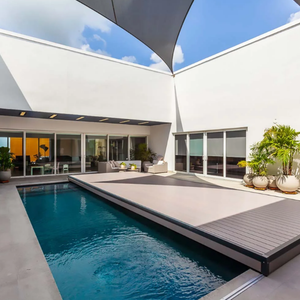
A sliding deck pool cover does more than protect the water. When closed, it can conceal the pool and turn its footprint into usable outdoor space for relaxing, entertaining, and everyday backyard living. Learn whether this custom solution may be right for your pool project.
“Covered” can mean very different things for your pool and backyard. Learn how safety nets, leaf covers, winter safety covers, automatic covers, and sliding deck systems affect access, safety, maintenance, and how you can use the space around, and above, your pool.
The weeks between peak swim season and a true pool closing are easy to overlook. Learn how to protect your pool, reduce fall debris, and maintain the right safety layers while your backyard routine changes.