Beginner’s Guide to Reading Local Pool Fence Codes
Home > Beginner’s Guide to Reading Local Pool Fence Codes
Installing a pool fence is one of the most important safety upgrades you can make for your backyard, but the process can feel confusing when local regulations use jargon or vary from place to place. Pool owners sometimes assume that codes are the same everywhere, or that any barrier will do. In reality, local pool fence codes are legal requirements designed to protect people and property. Understanding these requirements before you install anything helps you choose the right fence system, avoid costly mistakes, and ensure compliance with community standards.
This guide breaks down pool fence regulations in a simple, easy‑to‑understand way so you can feel confident planning and installing a barrier that protects your family and meets the law.
Introduction to Pool Fence Codes and Compliance
Local pool fence codes are rules set by cities, counties, or states that specify what type of barrier is required to prevent unauthorized pool access. These codes often include minimum height requirements, specifications for gates and latches, and standards for how close the fence can be to the pool itself. A strong understanding of pool barrier code requirements reduces guesswork during planning and keeps you aligned with safety best practices.
Many homeowners find these codes intimidating at first because they can include legal language and reference building jargon. With a little guidance, you can interpret these safety codes like a pro and apply them confidently to your project.
Why Pool Fence Codes Matter for Safety and Liability
Pool fence codes exist for a reason: they are proven ways to help prevent accidents. Barriers that meet safety standards make it harder for children, pets, and visitors to access the pool without supervision. In addition to physical protection, compliant barriers also reduce liability risk if someone is injured on your property. Failure to follow local codes may result not only in unsafe conditions but also in legal or financial consequences.
Understanding safety codes early ensures you avoid rework, delays, or fines after installing your fence.
Where to Find Your Local Pool Fence Requirements
The first step in reading local pool fence codes is knowing where to look. The exact source varies by location, but common places to check include:
City or county building department websites. These often have a section for pool safety or residential fencing.
Local government code or ordinance databases. Many cities publish searchable code libraries online.
Homeowner association (HOA) guidelines. If you live in a community with an HOA, the organization may have additional rules.
State residential code. Some states adopt specific residential building codes that include pool barrier sections.
If you feel overwhelmed, calling your building department can be helpful. Staff can point you to the relevant section of the code and explain how it applies in your area.
Key Terms to Know in Pool Safety Codes
Reading pool fence requirements becomes much easier once you understand a few common terms:
Barrier refers to the entire protective system around your pool area, including the fence, gate, and hardware.
Clear floor space is the distance between the pool and the fence where nothing impedes movement.
Self‑closing means a gate closes on its own without help. Many codes require this feature.
Self‑latching means the gate automatically latches after closing.
Accessible side refers to the side of the fence where children or uninvited users might try to enter.
Knowing these terms helps you parse the language in a way that is meaningful and actionable, instead of confusing.
Understanding Height, Gap, and Latch Specifications
Although pool fence rules vary, most codes focus on a few specific requirements:
Height: Many codes require pool fences to be at least 48 inches tall. Some jurisdictions may require 54 inches or more, depending on local safety concerns.
Gaps: Codes often specify how large the gaps in the fence or between the bottom of the fence and the ground can be. Limiting gaps reduces the chance that small children or pets can squeeze through.
Gate requirements: Most codes require gates to be self‑closing and self‑latching, and the latch must be a certain distance from the bottom of the gate so that small children cannot reach it easily.
Understanding how these elements work together helps you design a compliance plan that satisfies safety standards and protects everyone around your pool.
Common Code Differences Between Cities and States
Not all pool fence codes are created equal. Some areas require taller fences. Others have more rigorous latch requirements. For example, coastal cities may adopt stricter wind‑load standards because of weather patterns. Urban areas may have additional rules related to property line setbacks.
While it is helpful to understand general guidelines, your local code may differ. Always verify requirements with your local jurisdiction and, if necessary, seek clarification to make sure your plan meets the exact specifications in your area.
How Codes Impact Your Pool Fence Installation Options
Understanding local codes affects every major decision you make when installing a pool fence. The type of system you choose, the height you build to, and the hardware you select depend on code language. For example, if codes require self‑closing and self‑latching gates, you will want to include products that meet those specifications.
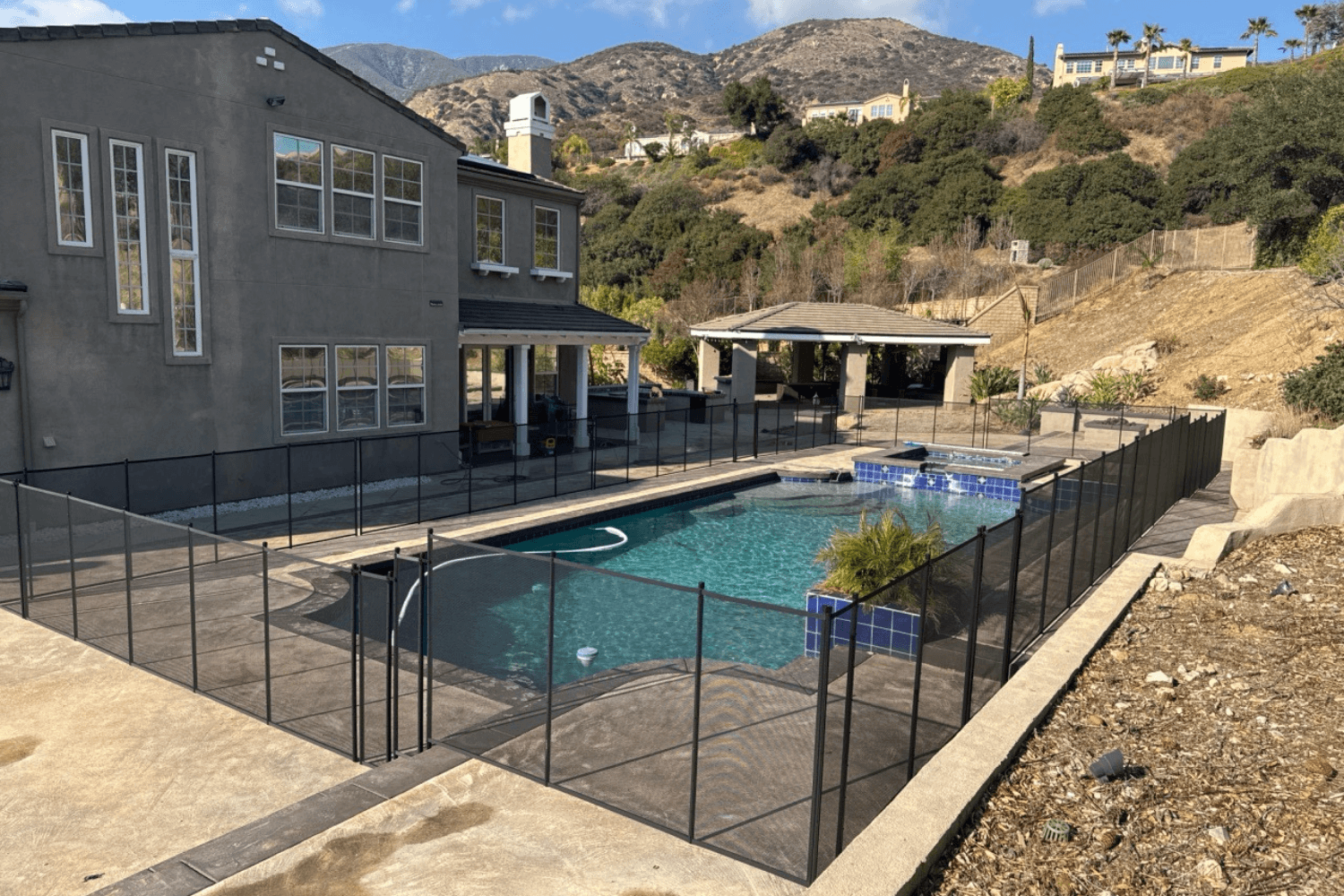
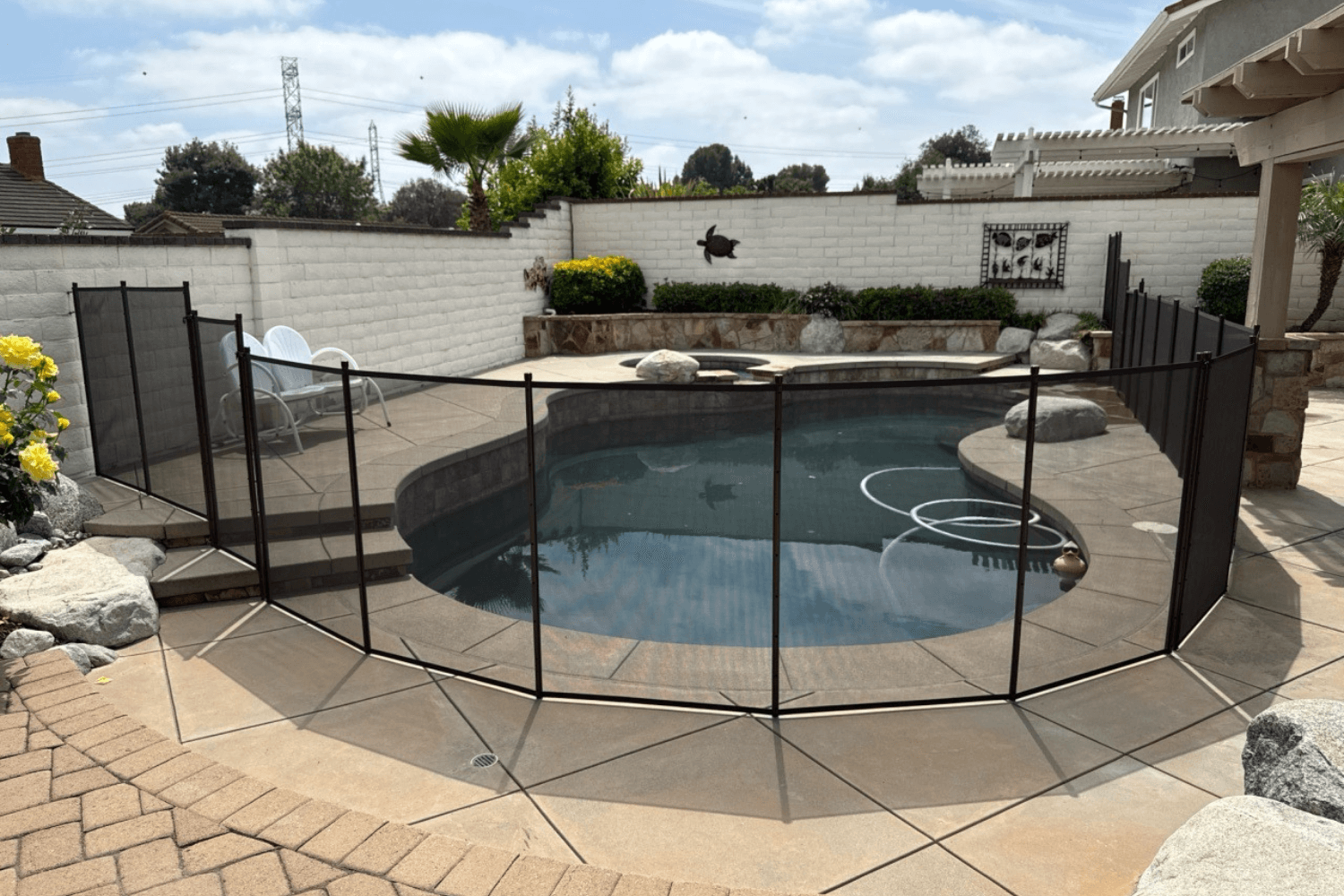
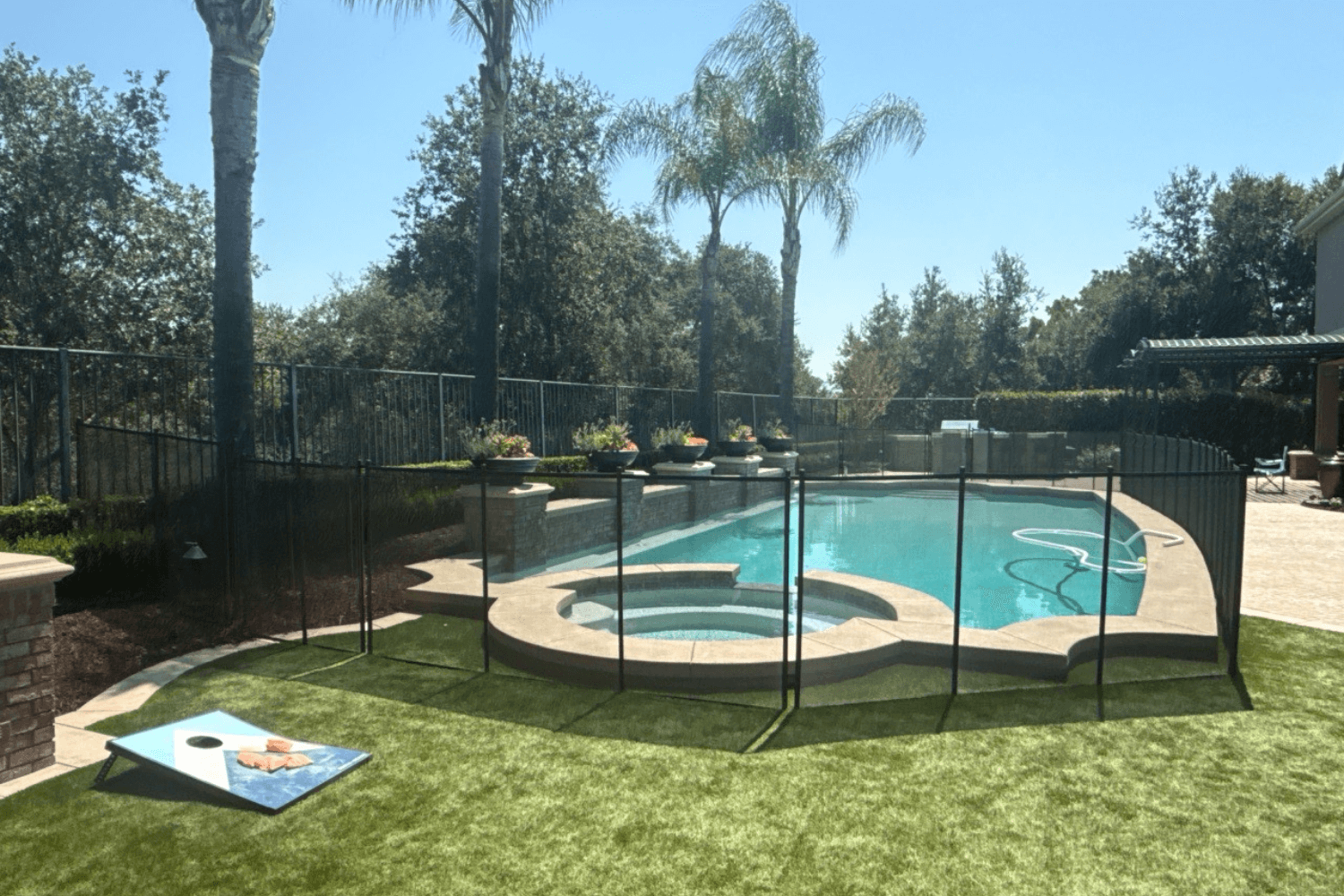
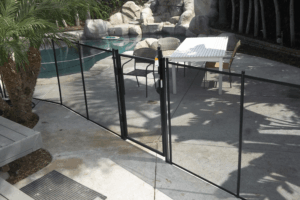
Another example is mesh fence design. Many codes specify that fences must not have footholds or large open spaces. That means standard picket fences or chain link may not qualify in some jurisdictions, while mesh systems with appropriate spacing do.
By reading codes before you shop or plan, you avoid ordering the wrong materials or choosing products that ultimately do not meet compliance requirements.
What Happens if Your Fence Does Not Meet Code
Failing to comply with local pool fence codes can lead to several consequences. You may be cited by local building officials, required to modify or replace your fence, or face fines. In the event of an accident, non‑compliance can also affect your liability and insurance coverage.
From a practical perspective, correcting code violations after installation is both time‑consuming and costly. The earlier you understand and plan for these requirements, the less likely you will have to backtrack or pay for changes later.
Example of Interpreting a Local Pool Fence Code (Step by Step)
Consider a fictional city code that requires the following:
Fence height of at least 48 inches,
Gate that self‑closes and self‑latches,
Gaps not larger than 4 inches from the bottom of the fence.
Step one is to read the language and underline exact measurements. Step two is to identify what products and installation techniques satisfy each requirement. Step three is to compare that against what you currently have or plan to purchase.
This simple exercise helps demystify the code and makes compliance feel achievable, not intimidating.
Practical Tips for Working With Codes and Contractors
When working with builders or installers, take your local code with you. Share it with professionals so they understand exactly what your municipality requires. Ask questions if you see conflicting details or if terms appear vague.
Keep documentation of your local code, permits, and installation records. These can be useful if you sell your home or need to reference standards in the future.
Codes change over time as safety standards evolve. Periodically check for updates so you remain informed and compliant.
Resources to Check Before You Install a Pool Fence
Before ordering materials or starting installation:
Visit your city or county building department website.
Check your state’s residential building code library.
Review HOA guidelines or restrictions.
Call local officials if you are unsure about specific language in the code.
These steps reduce uncertainty and support a smoother process from planning to final installation.
Next Steps Toward Compliance and Safe Installation
Understanding local pool fence codes is an essential part of planning your barrier installation. Once you know the requirements, you can confidently choose products that fulfill those specifications, measure accurately, and plan your project timeline with clarity. Investing time in this homework phase pays off by eliminating frustration and ensuring your safety system is on solid ground from day one.
Whether you install a barrier yourself or work with a professional, your pool fence should reflect both code compliance and your own peace of mind. With clear expectations and solid planning, you can look forward to a safer, more secure backyard pool area.
Pool safety is not only prevention. It is also readiness. Learn what to do in the first minutes of a water incident, how to assign roles, and how to prepare your pool area so you can act fast when it matters.
Leaving home is the perfect time for safety gaps. Use this guide to secure your pool gate, build a simple routine, and reduce the risk of unsupervised pool access.
A pool fence is only as safe as its gate. Learn how to spot common gate issues, test your latch in under a minute, and keep a self closing pool gate latch working reliably year-round.
Connect with a
Pool Safety Professional
Enter your zip code to locate an independent installer in your area
Find a Local Installer
Enter your zip code to locate an independent installer in your area
Color Variations
Colors on your screen or brochure may not match the actual color of your product.
Due to the many variations in monitors, phones, and browsers, color samples and product examples may appear different on different screens. Computers and mobile devices are not all calibrated equally and color reproduction on the Internet is not precise. The same is true for printed items such as brochures and other sales literature.
In addition, the colors of our products photograph differently under different lighting conditions. For example, photos taken in full sunlight will vary from photos taken on a cloudy or overcast day. Similarly, shadows from nearby objects can affect the color and transparency of our products. If a precise color or specific shade is important, please inspect the actual color of your product prior to installation.
Colors will vary from batch to batch.
Many of our products’ materials are not available through typical stores and vendors and therefore must be custom manufactured specifically for our use. In order to control costs and provide you with the best value possible, our raw materials are produced in large batches and can often take several months to receive. The colors of our materials can, and often do, vary slightly from batch to batch. Although we make every effort to minimize color variations, we cannot be responsible for these differences when they occur. If a precise color or specific shade is important, please inspect the actual color of your product prior to installation.
Color names are subjective and may not be what you think the color should be.
For example, we use the name “putty” to describe some of our products. Your idea of the color “putty” may be different than someone else’s idea of “putty”. In addition, products may have the same color name but may not be the exact same color. For example, we have different shades of “black”. Please do not order using color names as your only guide. If a precise color or specific shade is important, please inspect the actual color of your product prior to installation.
Inspect the actual color of your product prior to installation.
If it is important that your product be an exact color or shade, it is highly recommended that you inspect the actual product prior to its installation and address any concerns with your local independent installer. Most independent installers do not offer refunds or accept returns due to color variations.