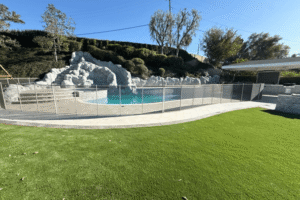
When it comes to pool upkeep, most owners stick to the essentials: testing chlorine levels, skimming leaves, and cleaning filters. But maintaining a safe and enjoyable pool area goes far beyond the water. There are several overlooked maintenance tasks that directly impact safety, efficiency, and the lifespan of your pool system.
If you’re building your own pool maintenance checklist this season, don’t forget these critical but often-missed to-dos.
Inspect Pool Fence Stability
Your pool fence is your first line of defense, especially when it comes to child and pet safety. Many homeowners check the fence for obvious damage, but they don’t always inspect the stability of each section or the condition of the poles, mesh, or latches.
Why it matters: Loose mesh panels or bent poles can compromise your pool’s barrier system. Even small issues like a missing sleeve or rusted fastener could allow a child or pet to slip through unnoticed.
What to check:
Make sure all fence sections are firmly locked into the ground sleeves.
Check for any signs of wear or bending in the poles.
Test gate latches and self-closing features for reliability.
While pressure washing your pool deck might be a spring ritual, it’s worth adding to your quarterly checklist, especially if you live in an area with changing seasons or high foot traffic.
Why it matters: Algae buildup and moisture retention can make your deck slippery. Cracks and uneven surfaces also present tripping hazards and can lead to long-term damage if left untreated.
What to check:
Power wash or scrub deck areas showing discoloration or residue.
Look for cracked concrete, loose pavers, or splintering wood.
Re-seal materials if needed to preserve safety and aesthetics.
Verify Pool Net or Cover Functionality
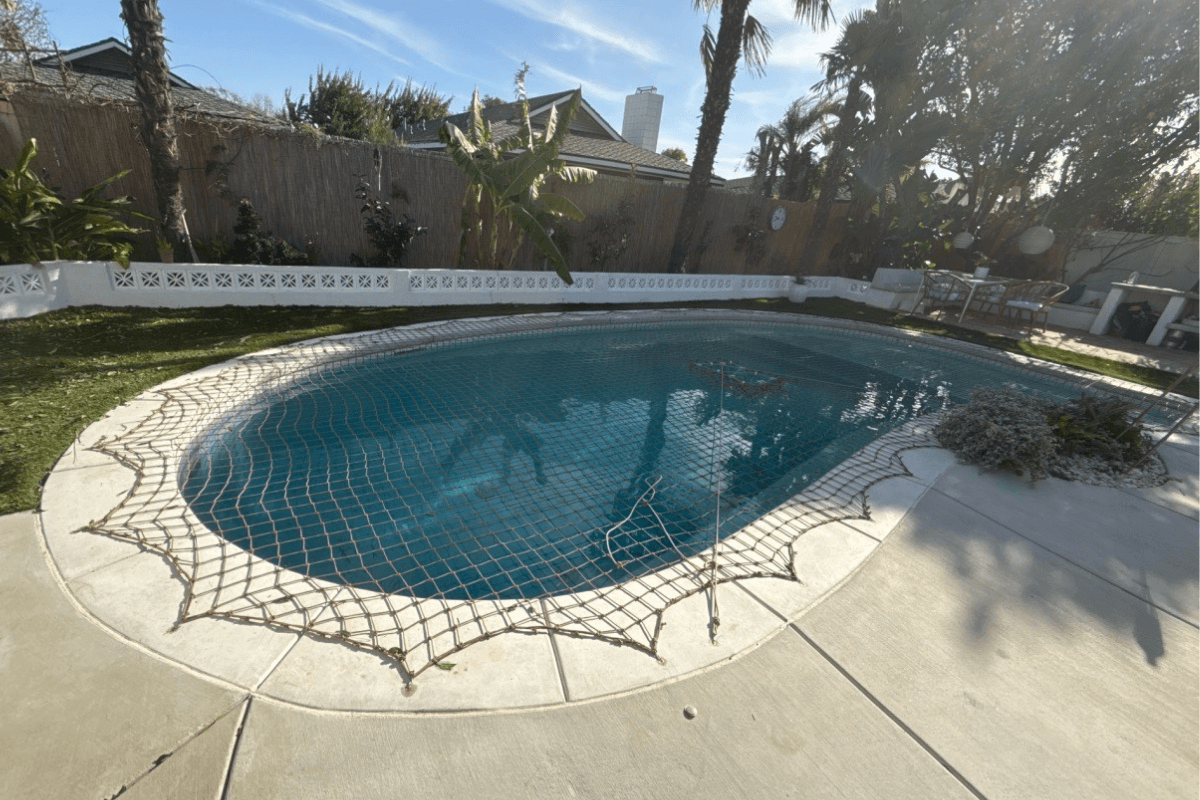
In colder months or off-season periods, pool nets and covers become your pool’s primary safety feature. But many homeowners assume they’re in working order without actually inspecting them.
Why it matters: A sagging, torn, or improperly tensioned pool cover is not only unsafe but may also let in leaves and debris, undermining the system’s purpose entirely.
What to check:
Inspect net cords or mesh for fraying or UV wear.
Ensure anchors are secure and evenly spaced.
Test for sagging; your cover should remain taut when installed.
Learn how to maintain your pool safety net with this guide.
Lubricate Gate Hinges and Hardware
Pool gates work hard throughout the year, especially self-closing, self-latching designs. Over time, exposure to moisture and temperature swings can cause squeaking, sticking, or delayed closing speeds.
Why it matters: A gate that fails to close quickly or latch properly creates a serious safety risk for children and pets. Regular lubrication ensures your hardware remains functional and compliant.
What to check:
Use a silicone-based lubricant on hinges and latch mechanisms.
Confirm your gate closes and latches on its own.
Replace corroded screws or warped hardware as needed.
Evaluate Landscaping Near the Fence
Plants and shrubs around the pool may add beauty, but they can also interfere with safety. Fast-growing greenery can push against the fence, reduce visibility, or provide a climbable pathway for kids and animals.
Why it matters: Keeping your fence perimeter clear helps maintain structural integrity and allows you to spot intrusions or maintenance issues early.
What to check:
Trim back overhanging trees and vines from all fence lines.
Remove or relocate large planters that obscure the gate area.
Maintain 36″ of clearance where possible for safety and access.
Test Alarms, Motion Detectors, and Lighting
Pool safety isn’t just about physical barriers; it also includes electronics. Unfortunately, many homeowners don’t check these systems regularly, assuming they’ll work when needed.
Why it matters: A failed door alarm or flickering light can turn a manageable situation into an emergency.
What to check:
Test any motion detectors or pool gate alarms.
Replace low batteries in wireless safety systems.
Check for burned-out bulbs in walkways, steps, and gate areas.
Why These Maintenance Tasks Matter
While these might feel like minor checklist additions, each of them contributes to a safer, more secure pool environment. A pool safety maintenance routine isn’t just about water clarity or chemical levels; it’s about creating a barrier between your loved ones and potential risk.
Fall and winter are ideal times to tackle these projects. With fewer swim days on the calendar, it’s easier to inspect, repair, and upgrade without interrupting use.
Whether you’re a seasoned pool owner or new to home safety, staying proactive with your pool maintenance checklist will help you get the most out of your investment and help keep your family safe.
Before installing a removable pool fence, confirm your surface is stable. This guide covers what to know about pavers, concrete, and wood decking, plus planning tips that help your fence and gate perform reliably long term.
Need a flexible pool barrier for guests, projects, or short-term safety? This guide explains when temporary pool fencing works best and what to consider when choosing a removable pool fence that stays secure in daily use.
Supervision matters, but it is not a system. Learn why a pool fence helps prevent unsupervised access, where supervision breaks down in real life, and what to do next once you decide a barrier is right for your home.