DIY Pool Fence
What Happens When DIY Pool Fence Installers Skip the Instructions?
Skipping DIY pool fence instructions can lead to misaligned sections, bad spacing, and gate issues. Learn common mistakes and how to avoid them.

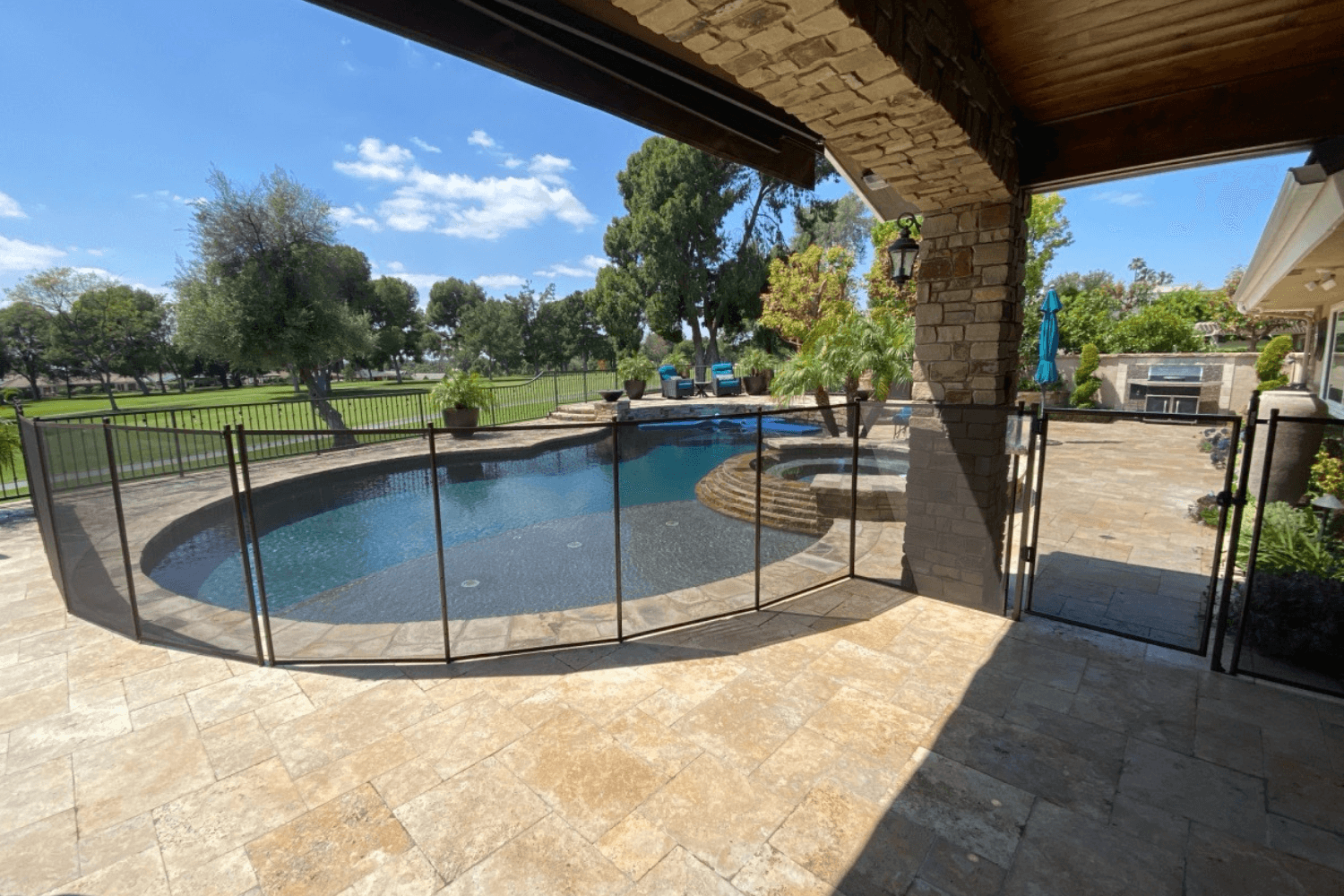
Most pool owners think about safety in terms of supervision. If an adult is watching, the risk feels lower. But one of the most overlooked safety gaps happens when no one is watching at all. A pool does not become safer simply because it is not being used. In many cases, the riskiest moments are the ones when routines change, and the backyard is unattended.
That is why it is worth creating a simple plan to secure your pool gate and reduce the chance of unsupervised access. A few practical steps can make a meaningful difference and help you feel confident leaving home for the day, the weekend, or longer.
When you are home, you naturally catch small issues. A gate that did not latch. A toy left near the fence. A side door left unlocked. Those details can go unnoticed when you are away, and they can stack up over a few days.
Unsupervised access is not only about trespassing. It can involve neighborhood children who wander into a yard, visiting relatives who do not understand pool rules, or a pet slipping outside. The goal is to make the pool area secure by default, so it stays protected even when no one is there to notice a mistake.
This works best when you think in systems. Reduce access points. Remove easy pathways. Make it difficult to reach the pool without an adult intentionally allowing entry.
Before you think about upgrades, start with a practical walk-through. If someone were to enter your pool area while you were gone, how would it most likely happen?
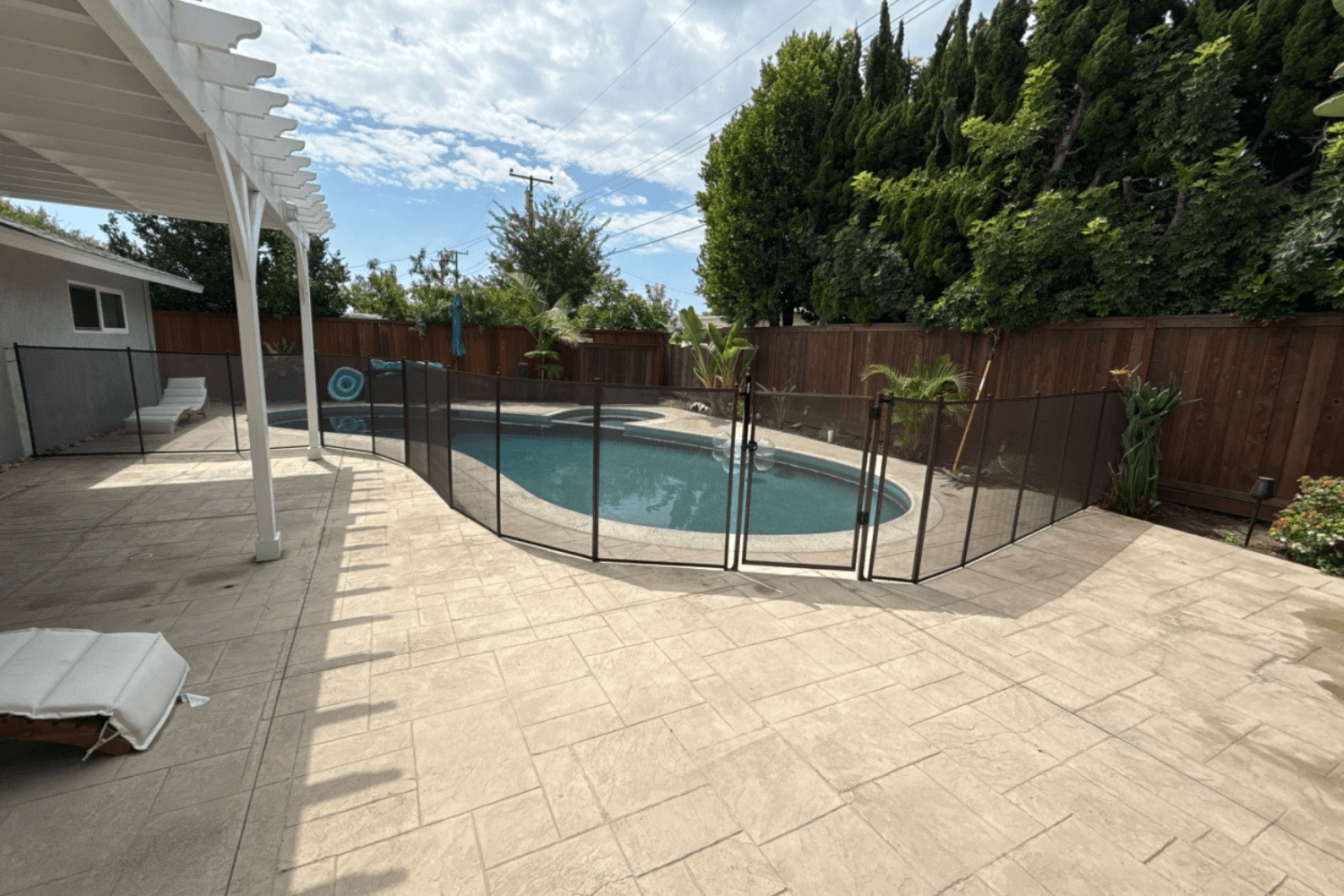
For many homes, the most common entry points are:
Walk the perimeter like you are seeing it for the first time. Look for the simplest route. The easiest path is often the one a curious child or visitor will take.
If your goal is to secure your pool gate, this is also the moment to notice anything that could interfere with closure or latching. A gate cannot protect anyone if it cannot close freely.
Most pool barrier systems are only as effective as the gate. Even a well-built fence can be undermined if a gate does not close, does not latch, or gets left open during normal life.
Before leaving home, treat the pool gate like a front door. Confirm it closes fully and latches without needing a second push. Give it a gentle pull after it latches. It should not open.
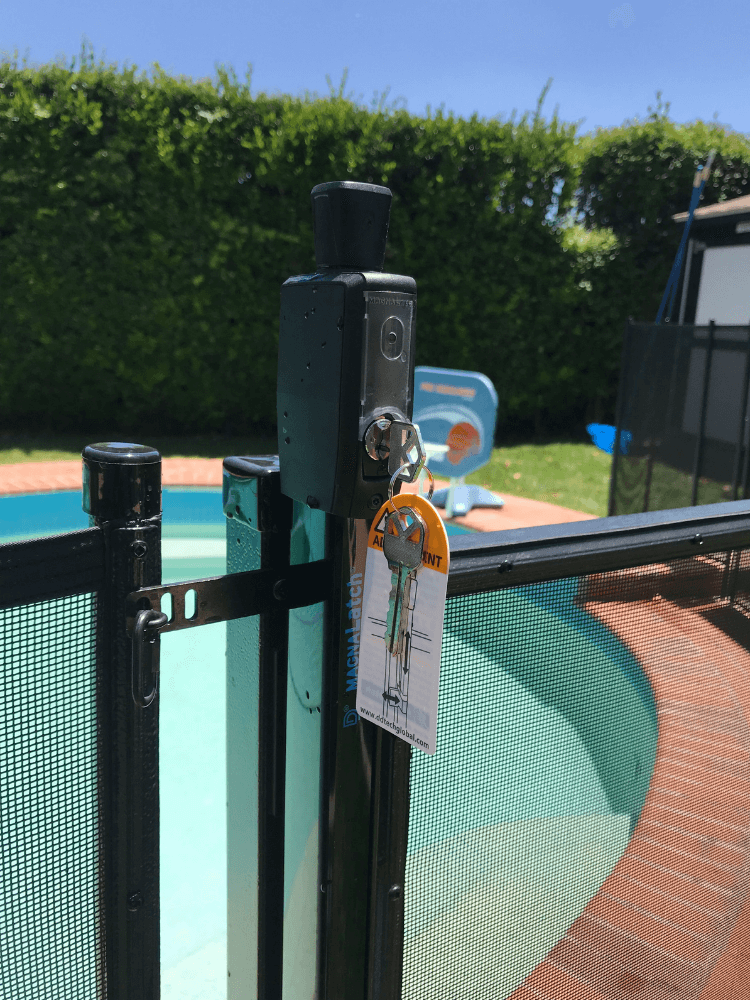
If your setup includes a pool gate lock, make sure it is engaged as part of your routine. Some households reserve locks for longer trips, but many families find it easier to lock the gate anytime the yard is not actively supervised. The best safety habit is the one you repeat consistently.
A simple household rule helps: the gate should never be propped open. Convenience can turn into oversight quickly, especially during packing, unloading, or rushing out the door.
Most safety gaps do not come from one big failure. They come from small choices that create an opening.
One common issue is leaving climbable items near the fence. Outdoor furniture, storage bins, coolers, and large planters can become a step. If an object could help someone climb or reach over a barrier, move it away from the fence before leaving.
Another issue is assuming the pool is safe because it is “closed” or unused. If the pool is uncovered, or if the gate is not reliably latched, the risk is still present. Even if you feel confident in your setup, do a final check to confirm nothing has shifted.
Side access is another frequent blind spot. A side gate that is not latched or a fence section that has loosened can become a pathway to the pool. If your property has multiple access points, make sure each one is secured with the same consistency as the primary pool gate.
Securing the pool does not need to be complicated. It needs to be repeatable. Here is a practical approach you can use every time you leave for more than a day.
Start with a quick reset of the pool area. Clear the deck of toys, floats, and anything that could blow into the gate’s path. Make sure the gate can swing and close without obstruction.
Next, do a gate check. Open and release the gate from a normal position and confirm it closes fully and latches every time. If you have a pool gate lock, engage it once the gate is closed and latched.
Then do a perimeter glance. Walk the fence line and look for gaps near the ground, shifting soil, or loose sections. If you notice a section that wobbles or an area where landscaping has changed the spacing, add it to your maintenance list.
Finally, lock the doors leading to the backyard. If you use door alerts or alarms, confirm they are enabled and working before you leave.
A major variable is service work. Landscapers, pool maintenance professionals, cleaners, and contractors may access your yard while you are away. That can be helpful, but it also introduces risk if safety routines are not followed.
If someone will be in your backyard while you are gone, send a short note with clear expectations:
If your property allows it, designate one access point for service professionals. The fewer entry points used, the fewer opportunities for something to be left unsecured.
If you use a pool gate lock, decide how you want to handle access. Some homeowners unlock the gate before a visit, then re-lock it immediately after. Others use a supervised access plan where someone is present during service. The best choice depends on your household routine, but clarity matters.
A pool safety plan is strongest when it includes layers. If one layer fails, another layer reduces risk.
Depending on your setup, extra layers might include door alarms, motion alerts, or security cameras. These tools do not replace a physical barrier, but they can help you identify problems faster and reinforce good habits.
If you rely on any electronic tools, confirm they are working before you leave. Check batteries and verify alert settings. A device that is turned off or silent is not providing real protection.
Even small changes can help. Clear signage for guests, consistent locking routines, and a clean gate swing path all reduce confusion and reduce the chance of accidental access.
Consistency is what makes this work. The easiest plan is the one you can repeat without thinking.
Before leaving:
This takes a few minutes. It is also one of the simplest ways to secure your pool gate and reduce avoidable risk.
Leaving home should not come with lingering worries about pool access. A gate that closes reliably and stays secured is one of the most effective protections a pool owner can maintain. When you combine good habits with a consistent routine, it becomes much easier to keep the pool area safer, even during busy weeks when no one is actively using the backyard.
If you start with one improvement, start with the gate. Make sure it closes, latches, and stays secured. A dependable routine can do more than most people realize.
Skipping DIY pool fence instructions can lead to misaligned sections, bad spacing, and gate issues. Learn common mistakes and how to avoid them.
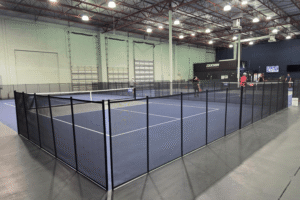
Mesh removable pool fencing is a flexible, affordable way to add boundaries to pickleball courts. It keeps balls contained, looks clean, and can be removed when needed.
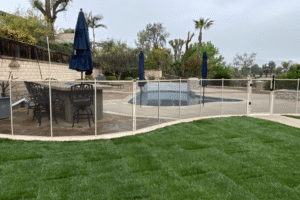
Just installed a removable pool fence? Here’s what’s normal in the first weeks, what to watch for with gate performance, and how to keep the mesh clean and secure through seasonal changes.