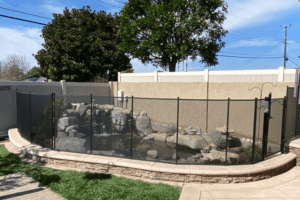
If you own a pool and you’re attentive, it’s natural to wonder whether a fence is really necessary. Many homeowners feel confident because they closely supervise, enforce rules, and allow swimming only when an adult is present. That mindset comes from a good place. Supervision is one of the most important parts of pool safety.
The problem is that supervision is not a system. It’s a behavior. Even the most responsible households experience distractions, routine changes, and moments when “I’m watching” becomes “I stepped away for a second.” This is where the real risk shows up, especially for families with visiting kids, pets, guests, or neighborhoods where children can wander.
A pool fence is not a replacement for supervision. It’s a second line of defense that reduces the chance of unsupervised access when real life does what it always does.
The Supervision Myth and Why It Feels True
The belief behind this question makes sense: if an adult is always present, the pool is controlled. In a perfect scenario, that would be true. In reality, pool-related accidents often happen during normal, ordinary moments. Not during active swim time, when everyone is focused, but during transitions.
Transitions are the risky moments:
When people arrive or leave the backyard
When towels, snacks, and toys are being carried in and out
When adults are talking, grilling, or cleaning up
When guests assume another adult is watching
Supervision is strongest when it is intentional, continuous, and undivided. But that is difficult to maintain day to day, especially over the years. A fence exists to cover the gaps that even good supervision cannot always cover.
What “Always Supervising” Looks Like in Real Life
Most homeowners do not deliberately stop supervising. They get pulled away by normal needs.
A doorbell rings. A package arrives. A phone call comes in. Someone needs a bandage. Someone asks for help with sunscreen. A pet slips out of the house. The pool owner is still “in charge,” but attention shifts for a moment.
These are not irresponsible behaviors. They are ordinary. The issue is that pools create a high-consequence environment, where a short lapse can have serious consequences.
Now add in the realities of hosting. During gatherings, supervision becomes less clear. Adults assume another adult is watching. Kids move quickly between groups. The pool area becomes part of the background. These conditions increase the value of a physical barrier that limits access without requiring constant perfection.
What a Pool Fence Actually Prevents
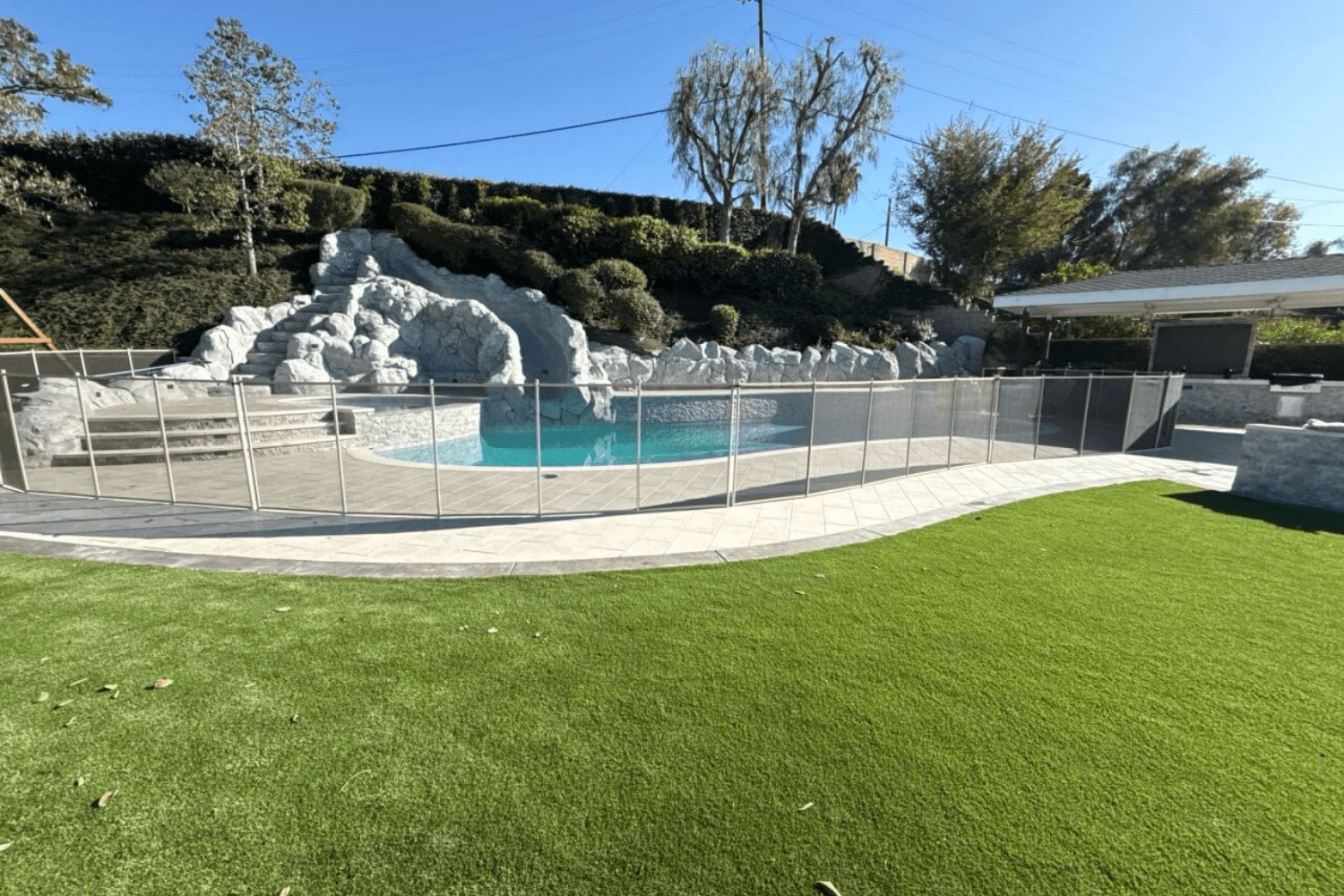
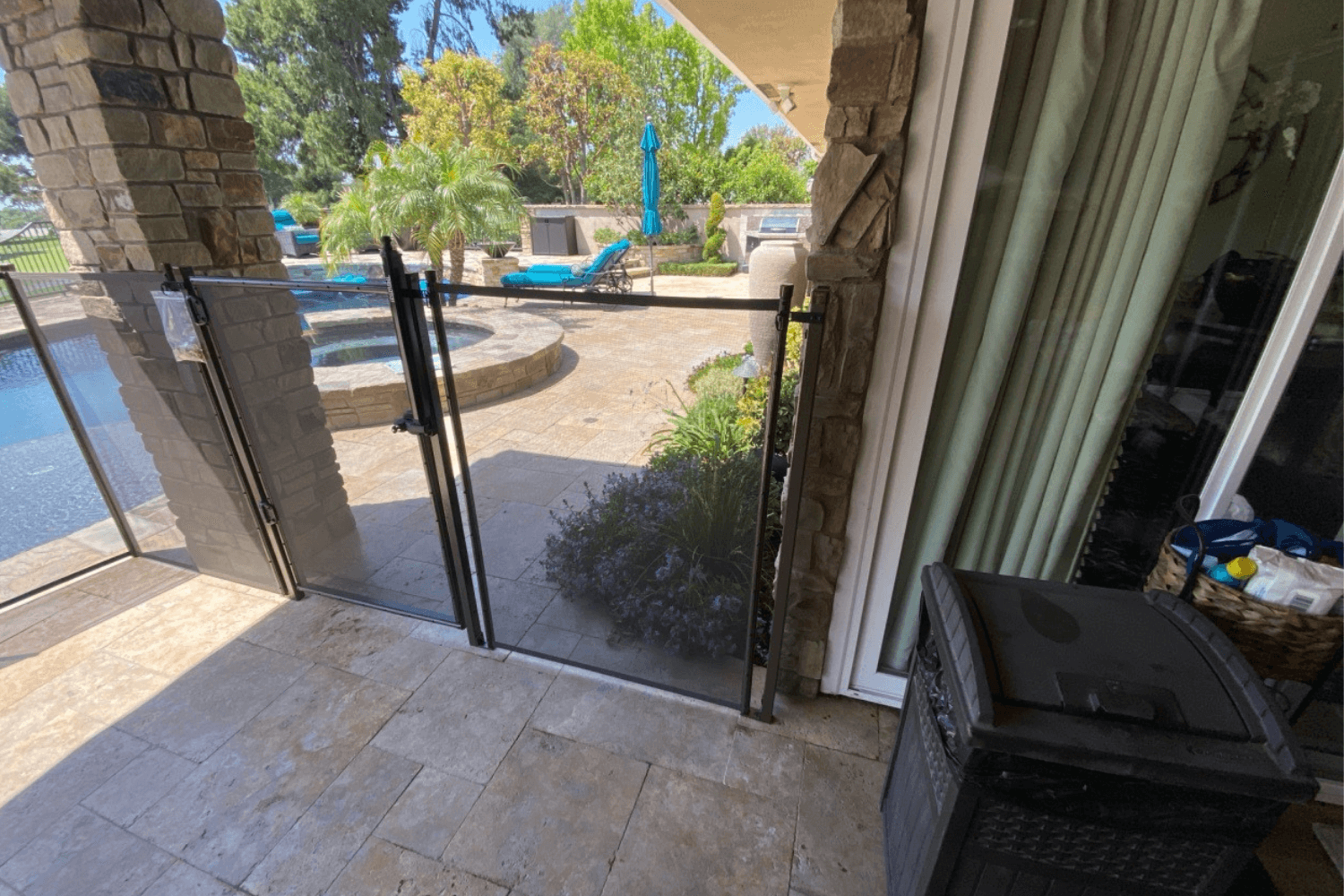
A pool fence is not just a visual boundary. It is an access-control tool. When properly installed and paired with a self-closing, self-latching gate, a fence does something supervision alone cannot do: it prevents entry when no adult is actively controlling the space.
A pool fence helps prevent:
A child wandering into the pool area unnoticed
A visiting toddler slipping past a patio door
A guest’s child entering the pool zone without permission
A pet approaching the pool during a moment of distraction
A quick “I’ll just grab something” lapse turning into open access
In practical terms, a fence creates a dedicated zone. Adults intentionally open the gate to enter, then the gate closes behind them. That structure turns the pool area from an open part of the yard into a controlled space.
Supervision vs Barriers: Why Both Matter
Supervision is active. A barrier is passive. You need both.
Active measures are powerful when they are happening. Passive measures protect you when active measures fail or fade for a moment.
That is the main point for undecided homeowners. The fence is not a judgment on your parenting or your attentiveness. It’s a practical layer that supports you when your attention is divided.
Situations Where Supervision Breaks Down
If you want a realistic way to assess whether you need a fence, consider when your supervision is most likely to be interrupted. Most households recognize these scenarios immediately.
Guests and gatherings
Hosting changes everything. People come and go. Doors get left open. Kids play in multiple areas. A fence reduces risk by preventing pool access unless an adult opens the gate.
Weekday routines
Many pool owners supervise well during swim time, but the pool area is still accessible during the rest of the day. A child playing outside, a pet in the yard, or a neighbor stopping by can change the risk profile quickly.
New milestones
Kids grow. Pets learn. A toddler becomes a climber. A dog becomes more curious. A fence supports safety as your household changes, not just as it is today.
Multi-tasking moments
Cooking, cleaning, working from home, and supervising do not always mix well. Even a responsible adult can be pulled away by something urgent.
Selling or renting your home
If you ever sell, rent, or host, the safety needs change again. A future homeowner or renter may not maintain your supervision standards. A fence remains as a durable safety layer.
The Best Safety Setup Uses Layers
The strongest pool safety approach is layered. If one layer fails, another still protects.
Additional protection when the pool is not being used, such as a safety cover or safety net, depending on the household and season
Simple habits that reinforce access control, like keeping the gate closed and keeping climbable items away from the barrier
This is also where a removable mesh fence fits well for many homes. It provides a clear barrier and visibility. It creates a defined zone. It can be used in ways that match real family life.
Code and Liability Considerations
Even if you feel confident about supervision, there are practical reasons to consider a fence. Local regulations often require barriers, specific gate behavior, and minimum height standards. These requirements vary by city, county, and state, so homeowners should check local code and compliance guidelines before making decisions.
There is also the liability question. If someone, especially a child, enters your yard and gains access to the pool, the consequences can be serious. A compliant barrier helps demonstrate responsible safety planning. It also reduces the odds of accidental entry in the first place.
This is not about fear. It is about building a safer environment that protects your household and your visitors.
A Simple Way to Decide What You Need
If you’re still on the fence, here is a straightforward way to decide.
Ask yourself:
Is my pool area accessible when no adult is actively supervising?
Do we host guests or have visiting children at any point in the year?
Are there pets, neighborhood kids, or frequent backyard activities that increase the risk?
Could someone enter the backyard without me noticing immediately?
Do I want safety to depend entirely on human perfection?
If any of those answers raise concern, a fence is usually a smart move. It reduces access risk during the exact moments when supervision is weakest. It supports safer routines without requiring constant vigilance.
A pool fence is not an alternative to supervision. It is a practical partner to it. When the goal is preventing access during everyday distractions, a barrier is one of the most effective tools a homeowner can add.
Ready to Take the Next Step?
If you’ve decided a pool fence is the right fit for your home, the next step is choosing the option that matches your needs and comfort level.
Before installing a removable pool fence, confirm your surface is stable. This guide covers what to know about pavers, concrete, and wood decking, plus planning tips that help your fence and gate perform reliably long term.
Need a flexible pool barrier for guests, projects, or short-term safety? This guide explains when temporary pool fencing works best and what to consider when choosing a removable pool fence that stays secure in daily use.
Pool safety is not only prevention. It is also readiness. Learn what to do in the first minutes of a water incident, how to assign roles, and how to prepare your pool area so you can act fast when it matters.