The Most Overlooked Pool Season Is the In‑Between Season
There is a stretch of the year when the pool is no longer part of the daily routine, but it is not truly closed, either. The kids may be back in school, evenings may be cooler, and pool toys may have disappeared from the deck. Still, a warm weekend can bring everyone back outside, the water remains accessible, and leaves are just starting to collect.
That is the in-between season: the weeks between peak summer use and a full pool closing. It is easy to treat this time as an unofficial off-season, but that assumption can leave homeowners with a pool that is less maintained, less consistently protected, and still completely accessible.
At All-Safe®, we encourage pool owners to think of this period as a transition, not a pause. Your safety plan should change with how you use the pool, but it should not disappear just because you are swimming less often.
“We’re Using It Less” Is Not the Same as “The Pool Is Closed”
A pool is only truly closed once you have completed your appropriate seasonal closing process and put the intended off-season protection in place. Until then, it may still be available to children, pets, guests, and anyone who enters the backyard.
This distinction matters because fall often brings less predictable routines:
You may use the pool only on occasional warm days.
Children may spend more time outdoors after school while adults are managing dinner, homework, and work schedules.
Guests may assume the pool is unavailable because it looks quiet, then find an accessible body of water.
Maintenance tasks may happen less frequently as summer habits fade.
Leaves, wind, and changing weather can introduce new cleanup and barrier-management needs.
A lower-use pool still needs intentional protection. The goal is not to treat every fall day like a midsummer pool party; it is to make sure your setup clearly reflects whether the pool is open, temporarily unavailable, or closed for the season.
Give Your Pool a Clear “Status”
One of the simplest ways to avoid fall safety gaps is to stop thinking in terms of “we might use it” and instead assign the pool a clear status.
Status 1: Open and ready for use
If you are still swimming regularly, maintain the same active-use safety practices you use in summer:
Maintain the pool according to your normal cleaning and water-care routine.
Keep safety equipment accessible.
Continue to use active adult supervision whenever children are in or near the water.
A cooler calendar month does not make the pool less accessible. If the water is available, the barrier and supervision plan still matter.
Status 2: Available occasionally, but not part of daily life
This is where many homeowners spend most of the fall. The pool is still open enough for a warm Saturday or an after-school swim, but nobody is using it every day.
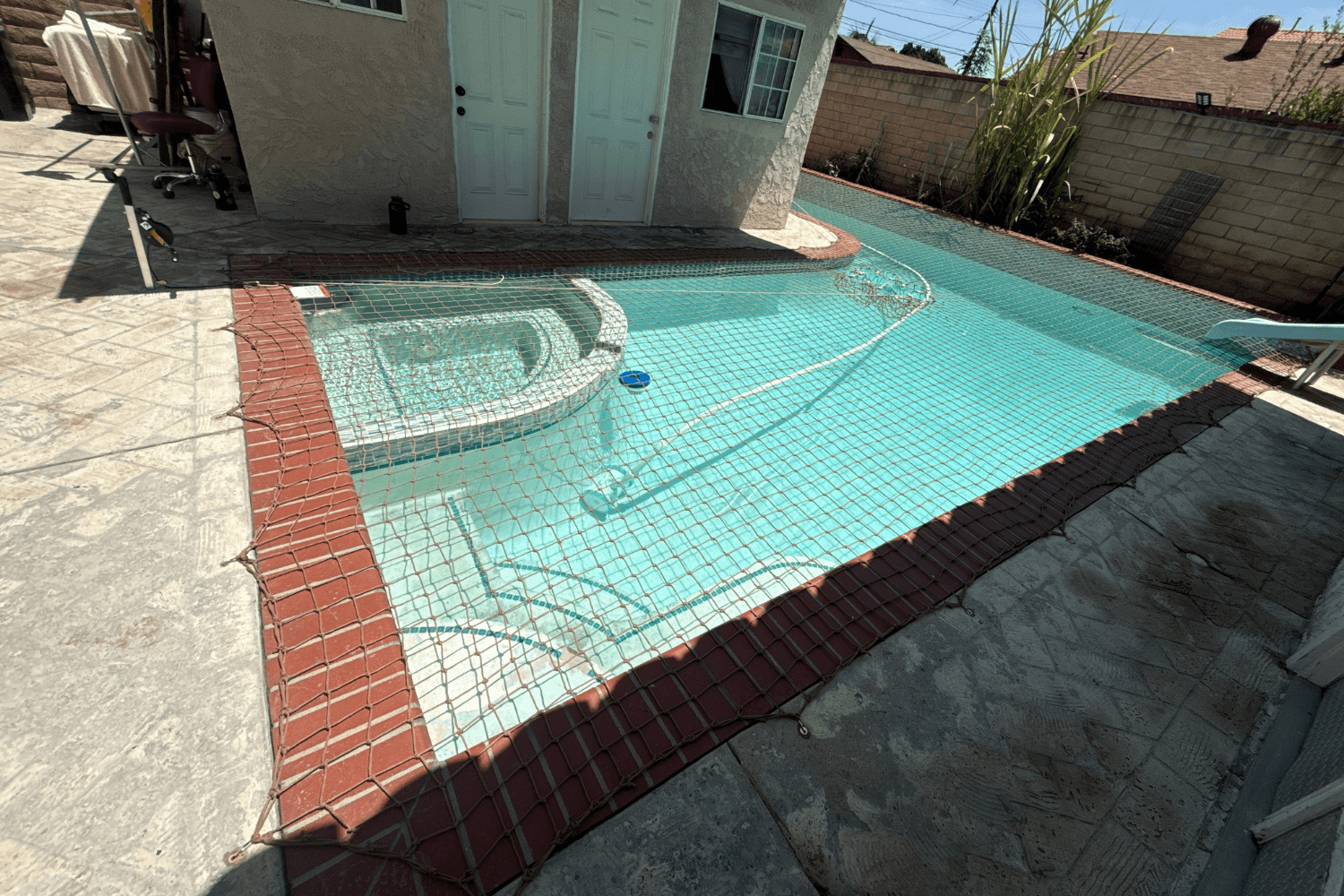
A pool safety net can be especially useful during this stage. Our safety nets create a strong, removable barrier across the water when the pool is not in use. They are designed to help prevent accidental access while still allowing visibility and airflow across the pool area.
For households with young children, pets, or regular visitors, a net can help make the “not swimming right now” status more meaningful. Rather than relying on everyone to remember that the pool is off-limits today, you add a physical layer directly over the water.
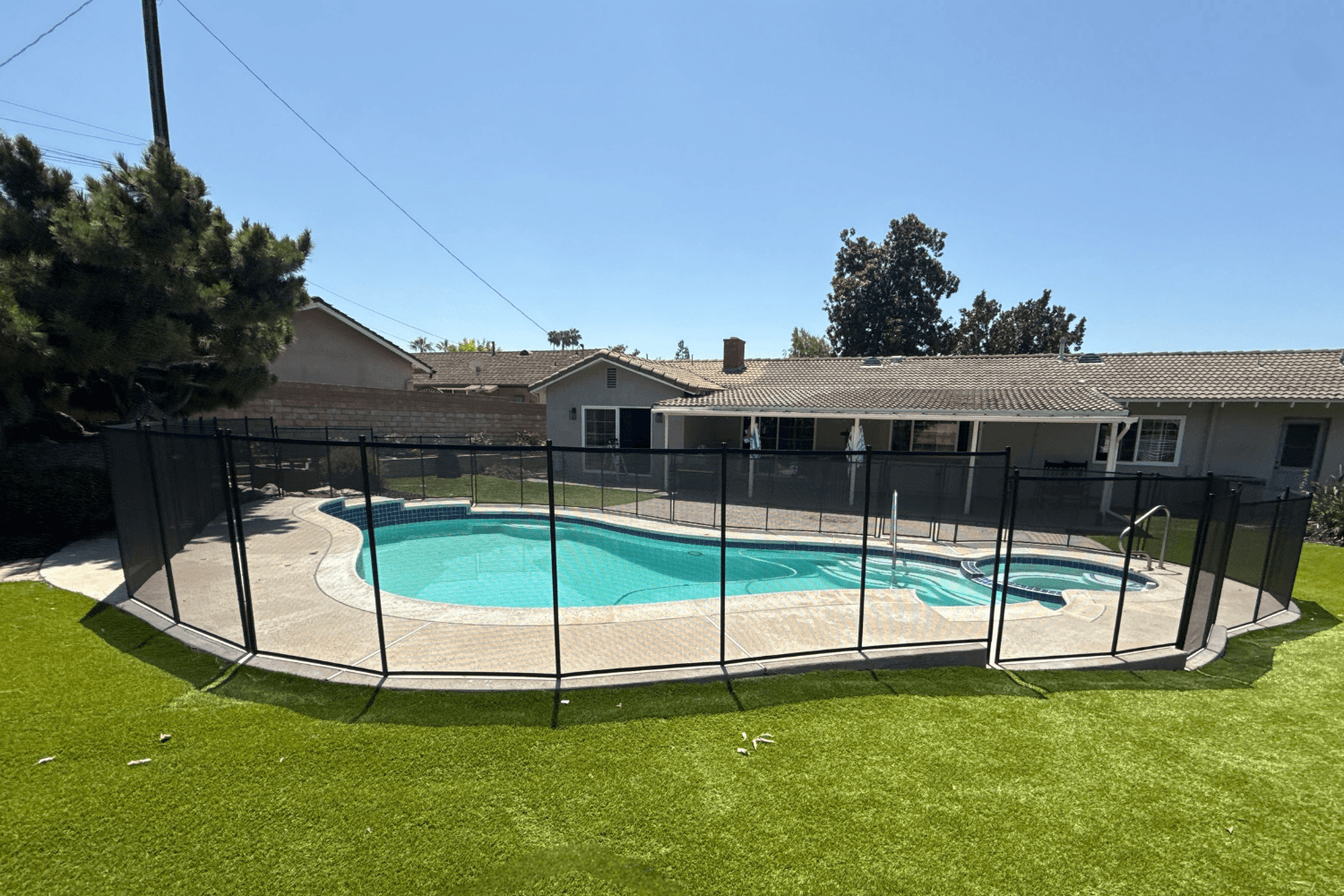
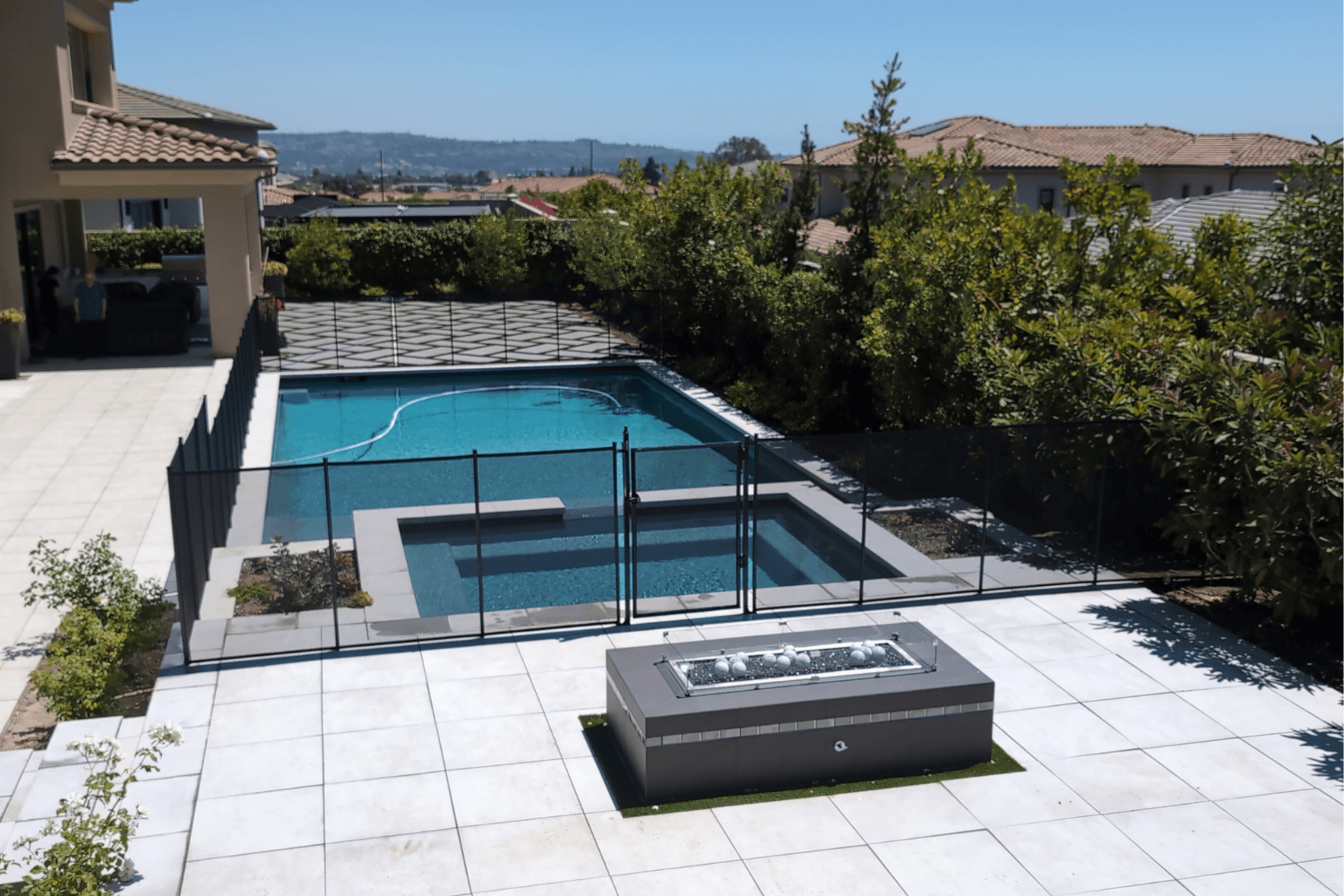
This does not replace your pool fence or safe gate habits. Your fence remains the perimeter barrier; a properly installed net adds a second layer for the periods when the pool is sitting unused between occasional swim days.
Status 3: Closed for the season
Once you are done swimming for the year, it is time to move from an intermittent-use plan to a true closing plan. For many inground pools, that means winterization plus a properly fitted winter safety cover.
All-Safe®’s winter pool covers are designed for off-season use. A properly installed mesh winter safety cover can help reduce debris, support safety around a closed pool, and allow rainwater to drain through rather than collect on top.
The key is to be honest about the pool’s status. If you are still hoping to swim “one more time” every other weekend, you may not be ready for a full closing. If you know the pool will sit unused until spring, delaying the closure process can leave it exposed to leaves, weather, and avoidable maintenance issues.
Where a Pool Safety Net Fits in the Fall
A pool safety net is not just a summer product. The fall transition may be one of the most practical times to use one.
Our pool safety nets are designed to cover the pool surface when it is not in use, helping prevent accidental immersion while keeping the pool visible. They are a particularly helpful option when:
Your region still has occasional warm weather and you expect to swim again.
You do not want to commit to a full winter closing yet.
Your children, pets, or visiting family members still spend time in the backyard.
You want a removable layer that can be taken off for a planned swim and put back on afterward.
You need coverage over the water while handling fall yardwork, equipment maintenance, or patio cleanup.
The important word is intentional. A net works best when it becomes part of a defined routine: pool use is finished, the net goes back on. It should not be treated as something to install only when you happen to remember it.
As with any safety product, follow the manufacturer’s instructions for installation, tension, inspection, removal, and reinstallation. Inspect the net regularly for debris, damage, and secure attachment points; All-Safe® recommends routine cleaning and prompt attention to any signs of wear.
Leaf Covers Help With Debris, But They Are Not Safety Covers
Fall leaves create a separate challenge. A leaf cover can help keep heavy leaves, twigs, and organic debris out of the pool during the seasonal transition, reducing cleanup and helping protect water quality.
However, it is important to use the right language, and the right product, for the job.
A leaf cover is a debris-management product, not a standalone pool safety barrier. All-Safe® specifically advises that leaf covers should be used in conjunction with an ASTM-certified safety barrier, such as a pool safety net; on their own, leaf covers are not designed to support safety use.
This is one of the most important decisions homeowners make during fall preparation:
If your main need is…
The product role to consider
Reducing leaves and debris while the pool remains intermittently open
A leaf cover for debris control, paired with an appropriate safety barrier
Adding a removable physical barrier over the water between swims
A properly installed pool safety net
Protecting a truly closed pool through the off-season
A properly fitted winter safety cover
Keeping the pool area secure at all times
A maintained pool fence and self-closing, self-latching gate
A leaf cover can be a valuable part of your fall plan. Just do not ask it to do a safety job it was not built to perform.
Avoid the “Last Swim” Trap
Many pool owners put off fall decisions because they are waiting for the last swim of the year. The problem is that the last swim is rarely obvious in advance. One warm weekend becomes another, leaves begin piling up, and suddenly the pool has been sitting in a half-used, half-protected state for weeks.
Instead of waiting for a perfect closing date, set a decision point:
If we are no longer swimming weekly, what changes today?
If we do not expect to swim again for the next few weeks, is the safety net installed and the leaf cover plan ready?
If we are done for the season, do we have the cover, hardware, and installation support needed before weather shifts further?
Making those decisions early prevents rushed purchases, missed repairs, and a pool that remains exposed simply because nobody officially decided what season it was in.
Your Fall Transition Plan
Before autumn routines fully take over, take a few minutes to decide which category best describes your pool today:
Still open: Maintain your usual fence, gate, supervision, and pool-care routine.
Occasional use: Keep the perimeter barrier in place and consider a pool safety net as an additional layer whenever the pool is not actively being used.
Ready to close: Begin the proper winterization process and make sure your winter safety cover, anchors, and hardware are ready before the last-minute rush.
A quieter backyard does not automatically mean a safer pool. The in-between season is the right time to make your protection plan clear, so your pool is never left in an in-between state.
A sliding deck pool cover does more than protect the water. When closed, it can conceal the pool and turn its footprint into usable outdoor space for relaxing, entertaining, and everyday backyard living. Learn whether this custom solution may be right for your pool project.
A winter cover protects the water, but a pool fence controls access to the entire pool area. Learn why removable mesh fencing can still play an important role after your pool is closed, and when seasonal removal may make sense.
“Covered” can mean very different things for your pool and backyard. Learn how safety nets, leaf covers, winter safety covers, automatic covers, and sliding deck systems affect access, safety, maintenance, and how you can use the space around, and above, your pool.